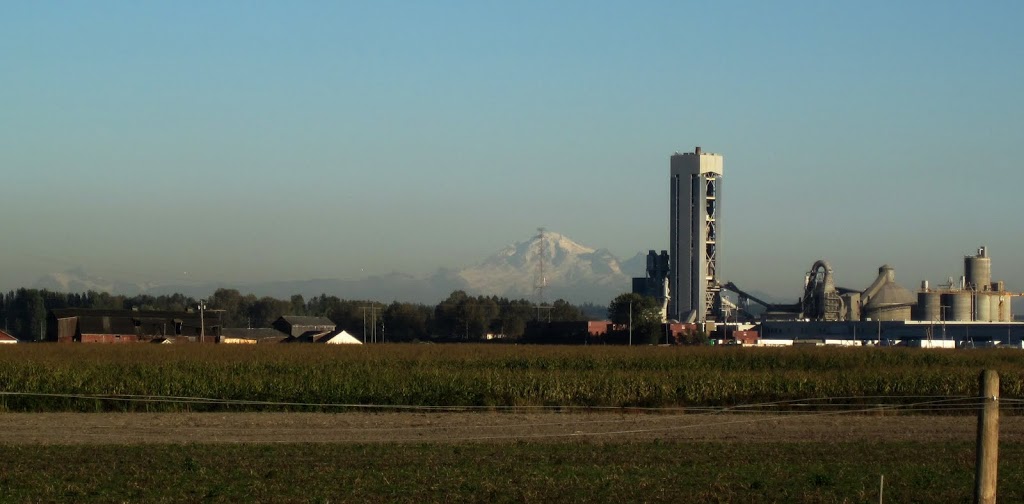
Baker Lafarge

Yesterday was one of those clear, beautiful days that makes you wonder why anyone would live anywhere other than British Columbia, hyperbolic, boastful advertising slogans notwithstanding.

I was riding home from work along Westminster Highway, and Mount Baker was clear and bright on the horizon, providing a dramatic backdrop to the Lafarge cement plant in east Richmond. The volcanologist in me cannot see a volcano without imagining what it is going to look like when the damn thing goes off. In the case of Baker, most of MetroVancouver will have a front row seat to watch the pyroclastic extravaganza. Due to some fortunate geography, we will also avoid most (but not all) the damage caused by the inevitable lahars, ash clouds, and nuée ardente.

The plume coming off an erupting Cascade Volcano will be dramatic, and will dwarf that little Lafarge Cement Plant. Or will it? This was the question that kept rattling around in my head during the rest of my ride. How many years would that plant have to operate to generate the CO2 of a single eruption of Mount Baker.
The good people at the Cascades Volcano Observatory in Lesser Vancouver actually measured the CO2 output of Mount Saint Helens during the 2004-2005 eruptive event, and it was around 650 tonnes per day. According to the paper, the outgassing during the big eruption in 1980 was probably measured in the thousands of tonnes per day, The take-home numbers are about 200,000 tonnes of CO2 released during the big eruption in 1980, a little less than 200,000 tonnes released over the entire 2004-2005 measuring period (a period of significant eruptive and dome-building activity), and somewhat less during quiescent times. This for a volcano of similar type, size and age as Mount Baker.

As for Lafarge, according to Environment Canada , that plant puts out between 800,000 and 900,000 tonnes of CO2 every year. The last year stats are available, 2008, it was 871,000 tonnes.

I don’t mean this as an attack on Lafarge; I recognize that we need concrete in our lives, and Lafarge is an employer in our community… I just make the comparison to shed light on how our human scale is distorted; “Common Sense” is rarely either. Like all risks, we concentrate on the big, dramatic and rare events, but disregard the cumulative impact of every day life in the modern world.

More on the science of volcanoes and AGW here.

Catastrophe in Hungary.

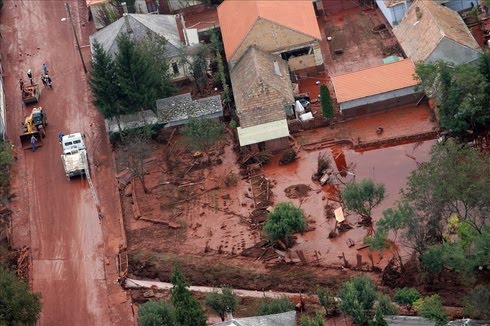
This is sad, disgusting, scary. Apparently a million cubic metres of toxic sludge laws released from a containment pond. This stuff is caustic enough to cause chemical burns, and full of enough toxic metals to make things very unhappy for the receiving environment, and people, including the residents of several downstream towns.
A million cubic metres: picture an area the size of Queens Park, 10 feet deep, then spread out over an area almost three times the area of New Westminster. What a mess.

The story looks like a long, complicated one, with a company producing a bunch of the sludge and keeping it contained in a pond indefinitely with no real plan for how to dispose of it long-term. Local Environmental whackos have been asking the Government to address the situation since 2003, to no avail. That could never happen in Canada. Right?

More photos here

The fig season

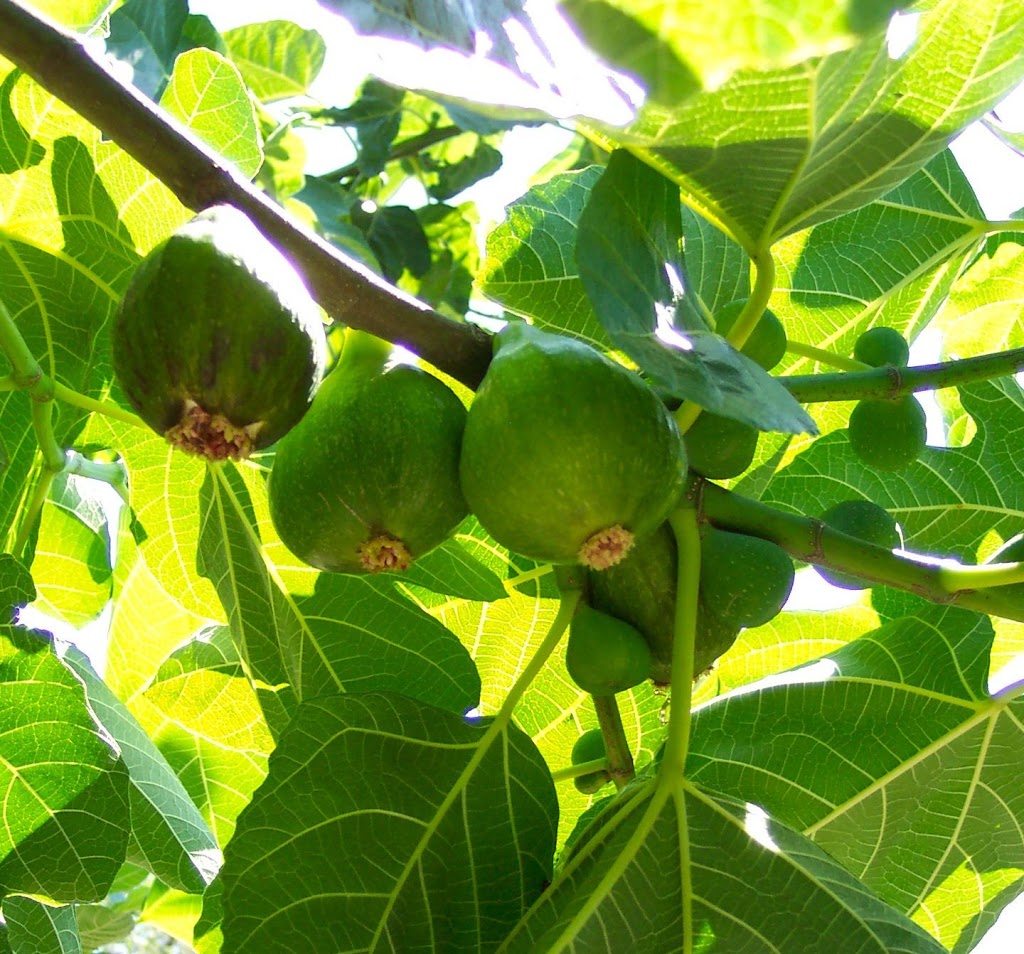
Everything in the garden was a few weeks behind this year, but one thing that was right on time was the fig tree.

We once had an arbourist come in to look at our trees, and he gave me at least one keeper piece of advice. I asked him when Figs are usually ready, and he said “opening weekend of the P.N.E”. For the second year in a row, this prediction has been perfect.

One problem with figs is that there is a very, very small ripe fig window, especially as the P.N.E. rains accelerate the rotting process on the tree. I swear that last year I left for work in the morning and the figs were not ripe, got home from work and they were ripe, went inside, found a bowl, got out the ladder, and went back outside, and they had all rotted off the tree. We needed to catch the magic window this year.

In the spirit of the Vancouver Fruit Tree Project, we sent out an open call on Facebook and through the NWEP, and had a revolving door of people through the back yard on the weekend that the figs were available.

Besides giving the Figs away (and trading some with some friends suffering from a 40lb raspberry crop this year), we also experimented in preservation:

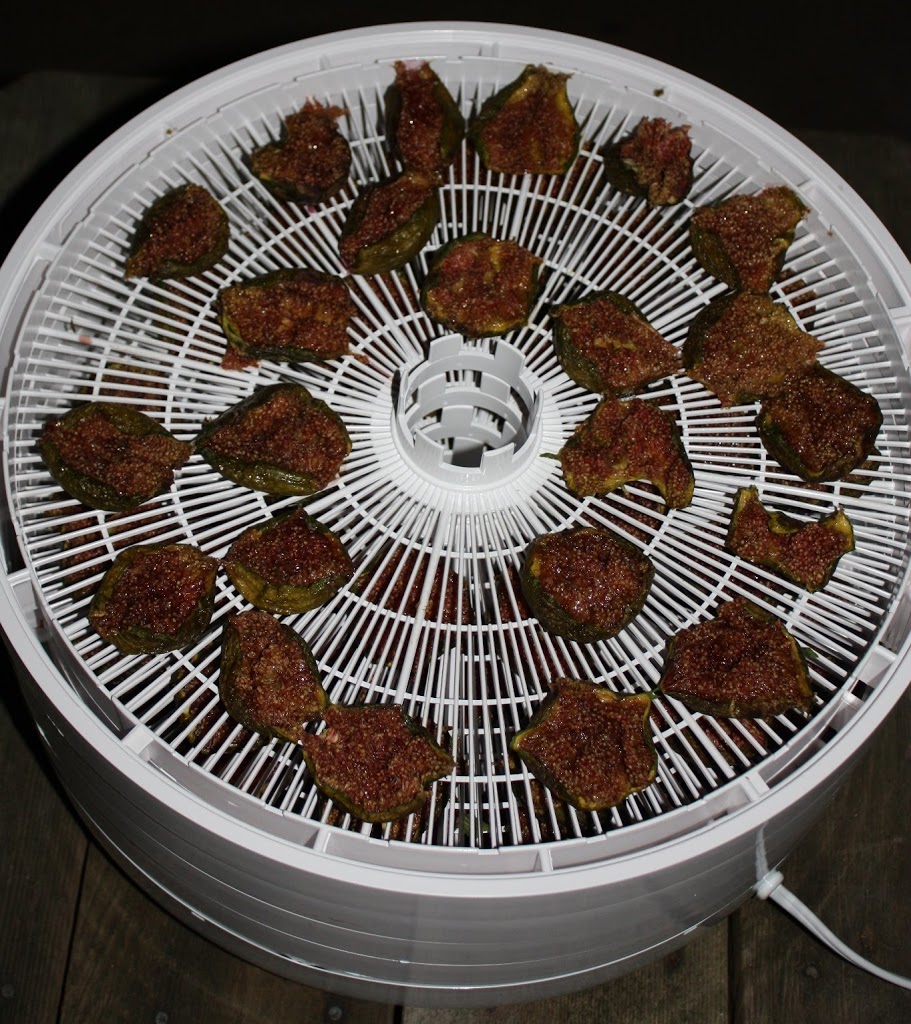
We dried them,

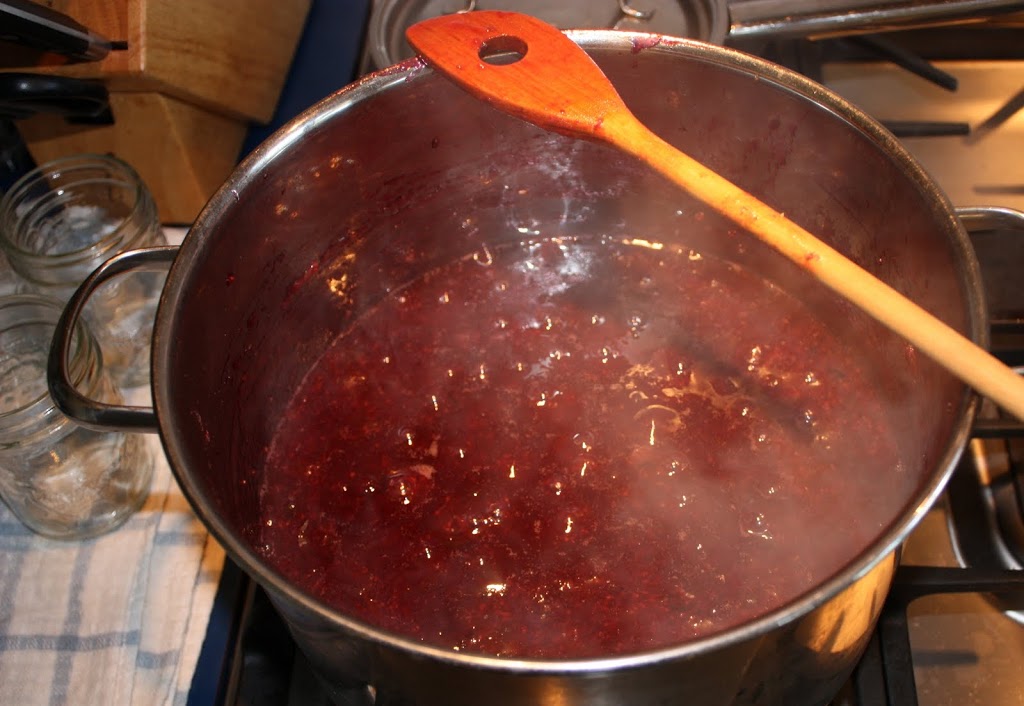
We made jam,
We mixed them with raspberries and blueberries and made more jam,
we ate them right off the tree.

Of course, we were not the only ones in the neighbourhood who enjoyed the fig harvest this year:

Letter to the Editor – Royal City Record

RE: Big bin or little bin for you? (Record, Saturday, Oct. 2nd, 2010)

Now that the new reality of automated bins and Cleaner Greener carts have arrived in New Westminster, let’s hope one of the results of this program is a reduction of the amount of trash Metro Vancouver has to either burn (upwind of New Westminster), or haul to Cache Creek (upriver of New Westminster).

As reported in the Record, the New Westminster Environmental Partners did advocate to Council for the smaller, 120 litre option for the garbage bins. The reasoning at the time was simple: prior to automated collection, the maximum weekly allowance was 2 cans at 75L each, for a total of 150L. However, very few actually used this much volume. The statistics collected by the City in 2009 showed that the average household put out 72L of mixed trash a week, and that less than 5% put out more than 95L a week. This is before the introduction of the Cleaner Greener bins. According to Metro Vancouver studies, between 30% and 50% of household trash can go into the Cleaner Greener bins. Combine this with the numbers collected above, and it is pretty clear that 120L is more than enough capacity for most everyone in New Westminster.

The benefits of smaller bins? They are easier to move about, take up less yard or garage space, and they encourage the diversion of compostables to the Cleaner Greener bins and recyclables to the blue box. The fact you will pay an extra $100 a year for the larger bin simply reflects the increased cost the City has to pay every year to haul your garbage away. Less trash, less cost: everyone wins.

The NWEP does applaud the choice of smaller bins, but will still be looking to City Hall to provide yet smaller bins for those who request them (such as the 75L bins available in the City of Vancouver). By the City’s own numbers, that would provide sufficient volume for most households. An optional smaller sized Cleaner Greener bin would also be appreciated by the ever-increasing number of residents who have backyard composters. Of course, the NWEP would support passing on the related savings in disposal costs to those who choose the more conservative options.

Finally, if you are one of the ever-decreasing few who just can’t seem to fit a week’s worth of trash into a 120L bin, perhaps you should check out the Glenbrook North Zero Waste Challenge website to see how easy it was for some of your neighbours, even those with large families, to reduce their garbage.

Patrick Johnstone
President,
New Westminster Environmental Partners.
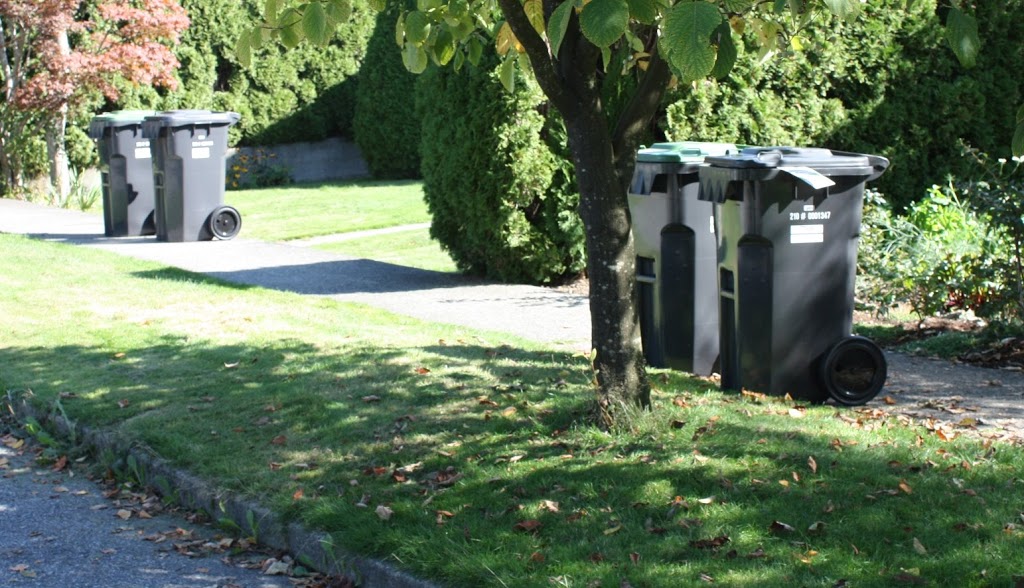
Automated Bins Arrive in New Westminster


I received my new Automated Waste collection bins today. All sympathies to those who are trying to roll out this program (a little bird has it that one of them recently rolled out a new addition to his family – talk about compounding stresses!), but I am immediately unimpressed.

First, the NWEP put a lot of effort into trying to convince City Council and staff that this was the opportunity to reduce the amount of garbage people put out, and that 120L bins were more than adequate for all houses in New Westminster. After conversations with staff, and an appeal to City Council, the City found a compromise position where 120L was the default size, and larger bins would be available, for an increased annual cost.

Today, two 240L bins arrived on my stoop. One of the people who actually went to City Council and demanded a smaller bin, one who helped the City to outreach to sell the idea that 120L was all the capacity we need: I was given a 240L bin.

I called Engineering Operations, and they essentially told me that there must have been a error, and they would change it out in November.

To get an idea of how big a mistake, I did a little spin around the neighbourhood, and best I could tell, everyone on Third Ave got a 240L garbage bin. I stopped to chat to a few neighbours who were standing in front of their houses scratching their heads at their new bins, and none of them has secondary suites. None of them knew that you could request a smaller bin and (this is the important part) none of them knew that you would pay less for a smaller bin.

Second, the bins arrived on the front sidewalk. Little instruction was provided for where to put the bin on garbage day. Do I put it out where the City dropped it? Do I put it out back in the alley where I usually put my garbage (and where I have a designated spot for the trash, and a logical place to store the bins) or do I roll it out onto the street in front of the curb? There is already a limit to street parking on my street: what if all the parking spots in front of my house are full (as they are almost every evening)?

It is going to be a very, very bad month for the folks in Engineering Operations at New Westminster. More to come.