Good news on the Garbage Front

Like any good Canucks Fan, I am adept at climbing onto, and getting off of, bandwagons . Many sports fans are like that with the home team, excited when they go on a win streak (remember last May and all the moth-eaten Habs Jerseys that came out of the closet for a few hours?) and dejected when the news is less good.

So it is with me and New Westminster City Hall. They build up my faith, only to occasionally knock it down. However, this week you can consider me “on the bandwagon”. I attended the Brow of the Hill Residents Association meeting last night, and the Supervisor of Solid Waste and Recycling for the City was talking about the Clean Green collectors and automated trash collection roll out.

He brought good news: The City is collecting a lot of organics, more than 8 Tonnes a week. The clean green bins are being used heavily, and there is a measurable decrease in the volume of trash going to “garbage” right out of the gate. There were some predictable roll-out issues, but they seem to have a good plan for addressing them, and are dealing with complaints on a house-by-house basis.

Best news I heard: they are considering making smaller Clean Green bins available (essentially, buying some green lids for the 120L bins). This is good, as it was one of the nagging complaints NWEP had during the announcement of the program. For those of us composting and otherwise reducing our trash footprint, it will be nice to not have the 240L Green behemoth in the back yard.

And speaking of my backyard, I also managed to secure a demo Green Cone organic waste digester. I am hoping to get it up and running in my back yard this weekend. Stay tuned, I am really interested to see how well this thing works for the stuff that can’t go into my compost.

They are also ready to swap my (so far, completely unused) 240L garbage bin for a slimmer, trimmer 120L model. I will be taking the trash out for the first time in a month next week.
This is the year.

More on transportation

My letter in Today’s New Westminster News Leader (with some links added, for internetty reasons):

It was interesting to read the recent discussions in the NewsLeader about Tenth Avenue and the Stormont Connector, the routing of the planned Pattullo Bridge replacement, and the impacts of these regional transportation projects on our neighbourhoods.

I couldn’t help but note that the compelling arguments Mr. Crosty made for “encapsulating” McBride Boulevard (reduced traffic and safer communities, reduced pollution, reclaiming valuable land while bringing our divided community together) could equally be made for completely removing McBride Boulevard.

Instead of spending billions burying a problem soon to be made worse by expensive expanded bridges and new connectors, perhaps we should take a fresh look at what the alternatives are to building more roads.

Are we still labouring under the illusion that building roads is a solution to traffic?

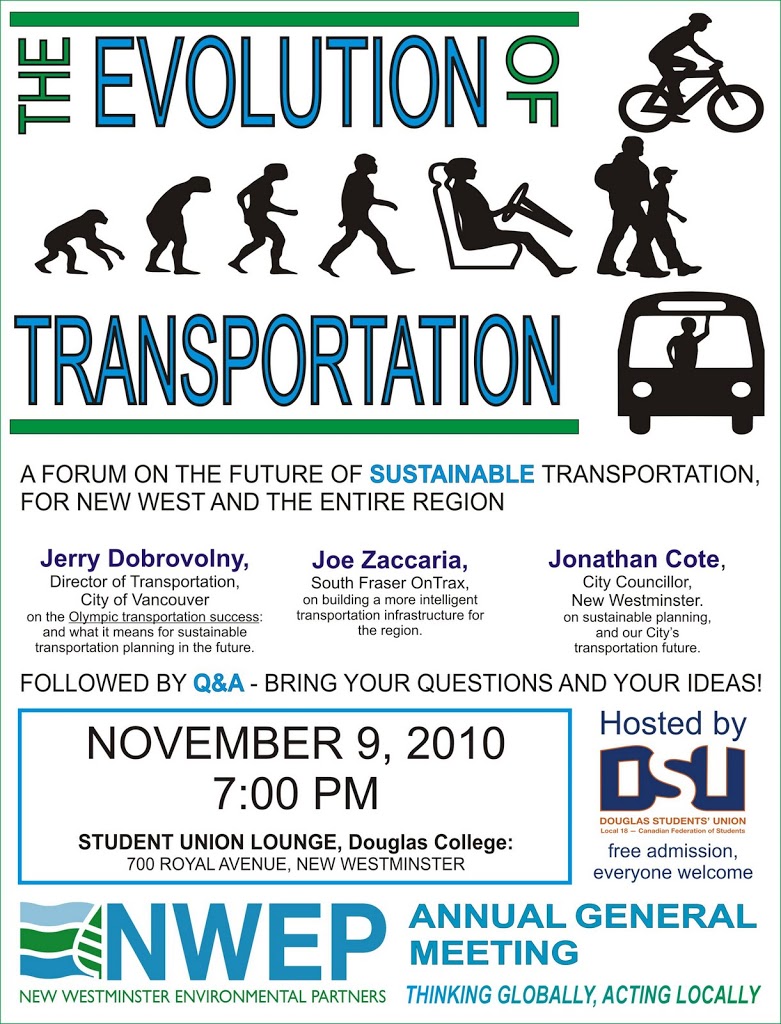
This topic and others will be the basis for an open forum on transportation planning that the New Westminster Environmental Partners will be holding as part of its annual general meeting.

We will be bringing together transportation experts and sustainable transportation advocates to discuss the future of the regional transportation system and how this will impact New Westminster.

If you have questions, concerns, or ideas about the Pattullo Bridge, the Stormont Connector, the ongoing TransLink “funding gap,” or other aspects of the local and regional transportation puzzle, please come by the Douglas College Student Union Lounge on Tuesday, Nov. 9, at 7 p.m., and join the discussion.

For more information, see the NWEP website for details: www.nwep.ca.

For those in need of inspiration that sustainable transportations work in the real world, I suggest showing up to see Jerry Dobrovolny talk about the transportation plan for the Olympics, and how it really, actually, in reality, no shit, worked.

Another really inspiring story is that of Cheonggyecheon, and some more examples of Braess in action.

See you next week.

A Pause in programming:

I have been pretty busy, working on this:

It should be a good event. The topic is relevant for several reasons. The City is developing a new Master Transportation Plan right now. The Province is spending a few billion dollars bringing more cars to our eastern border. The North Fraser Perimeter Road will include the United Connector, which will include the expansion of a one-lane bridge (already part of a long-standing dispute ) to a four-lane bridge and the passing-over of a rail line currently signal-controlled- with no plans to adapt New Westminster traffic to fit the new capacity. Rumblings are afoot about reviving the Stormont connector. The Pattullo is due for an upgrade. Translink is mired in a “funding gap”, while the Premier runs around promising trains to UBC and Langley while still not funding the trains he promised last decade. Still, no-one is talking about Front Street.

Our speakers are high-quality: Jerry Dobrovolny used to be a City Councillor in New West, and is now Director of Transportation for the City of Vancouver. He will be talking about the massive transportation success that was the 2010 Olympics, and how that relates to longer-term plans in Vancouver to increase the “alternative mode share” (people transporting themselves without cars).

Joe Zaccaria from South Fraser OnTrax has been an advocate for a better regional transportation system, and smarter development South of the Fraser. Since most of New Westminster’s traffic problems are caused by through-travel, and most of that through travel goes across the Fraser, his interest inevitably is our interest.

Finally, Jonathan Cote is a City Councillor here in New Westminster, and is also an advocate for alternative transportation (who lives what he preaches: I see him walking by my house to go to work every day!). He will be talking about the future of development in New Westminster, and how municipal planning can result in high “alternative mode share”. I suspect he will also be talking about the “funding gap” and road pricing as a policy.

So come out, let’s hear what you have to say. Hopefully we will find a more…uh… nuanced approach than this guy:

at the intersection of 5th and Vermouth

Thank you Tom.

Anyway, what I really want to tug on your coat about is the intersection between sustainability and engineering, and how it is too often frustrating, and always challenging. A good example is alternative transportation planning (let us, for now, skip over the irony that “walking” is now considered one “alternative” to the normal mode of riding around in a metal box burning dead dinosaurs). When shoehorning non-car infrastructure into traditional roads-and-sidewalks planning, it often starts so late in the process that any contribution we can make is either inconvenient, or impossible with the depth of planning already done. As a result, we are seen as a roadblock to infrastructure improvements instead of a positive contributor.

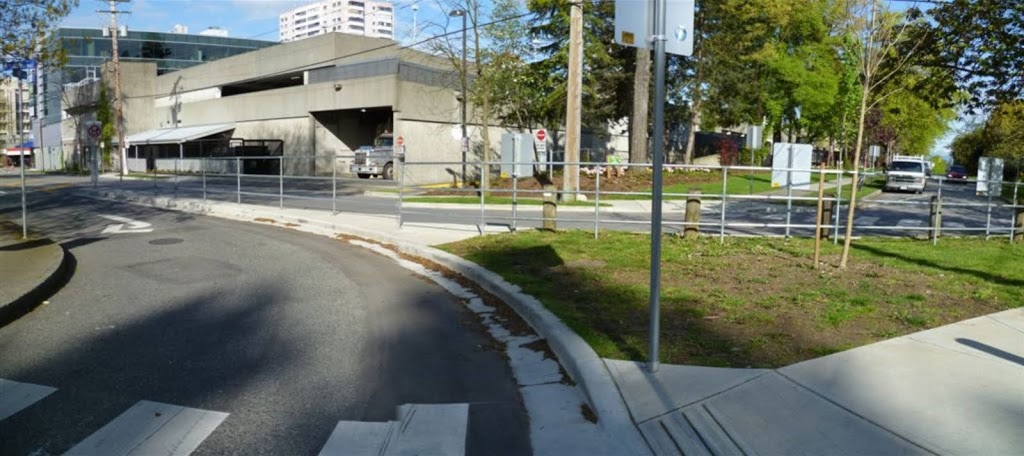
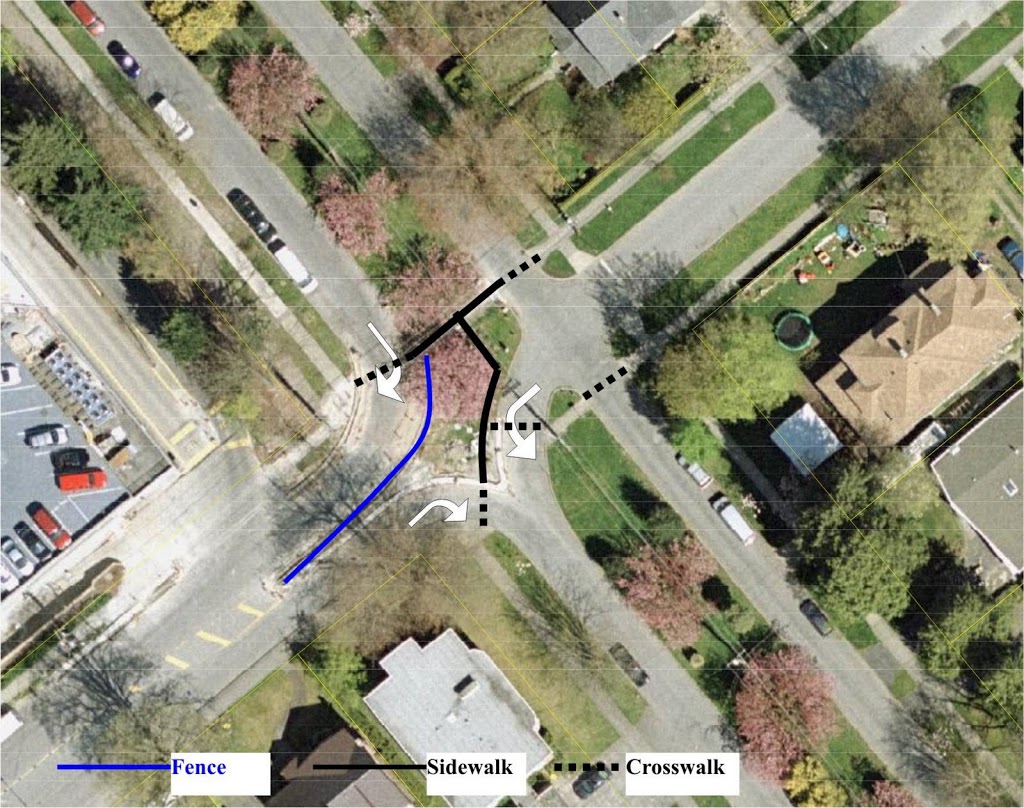
A good example of this is the long-running issue that we in the New Westminster cycling world know simply as “5th and 5th”That phrase is now one that causes anyone involved to roll their eyes emit an audible groan. This is a nice residential neighborhood, with a couple of quiet, traffic-calmed streets, that happens to border a commercial building where (amongst other commercial upgrades) Save On foods opened a new retail outlet. Coincident with this opening, the world’s ugliest fence was installed. As if an ugly fence to stop people walking through their neighbourhood was ever a good idea, but I digress again.

After several complaints about the re-configuration of the intersection, Transportation staff finally kind of admitted it was rather an ad-hoc contraption stop pedestrians from crossing the street, with little planning (or, ostensibly, to protect the drip line of a tree from large trucks servicing Save-on-foods). However, now that it is installed, the design clearly presents several problems, aside from the esthetic issue. Did I mention the fence is ugly?
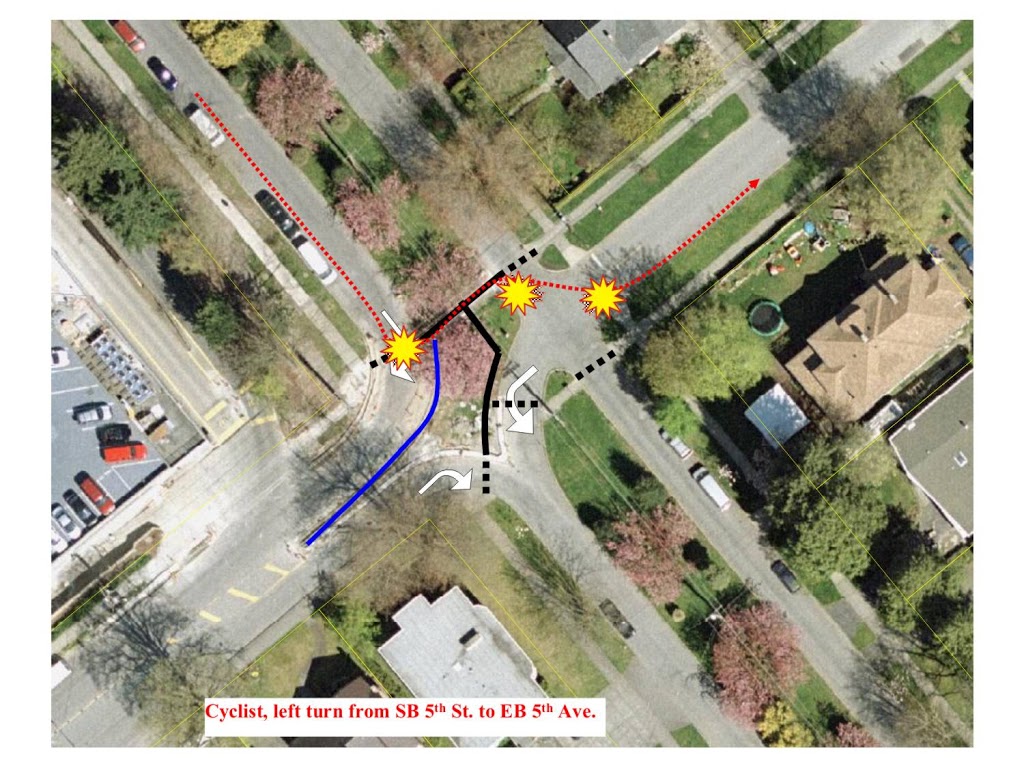
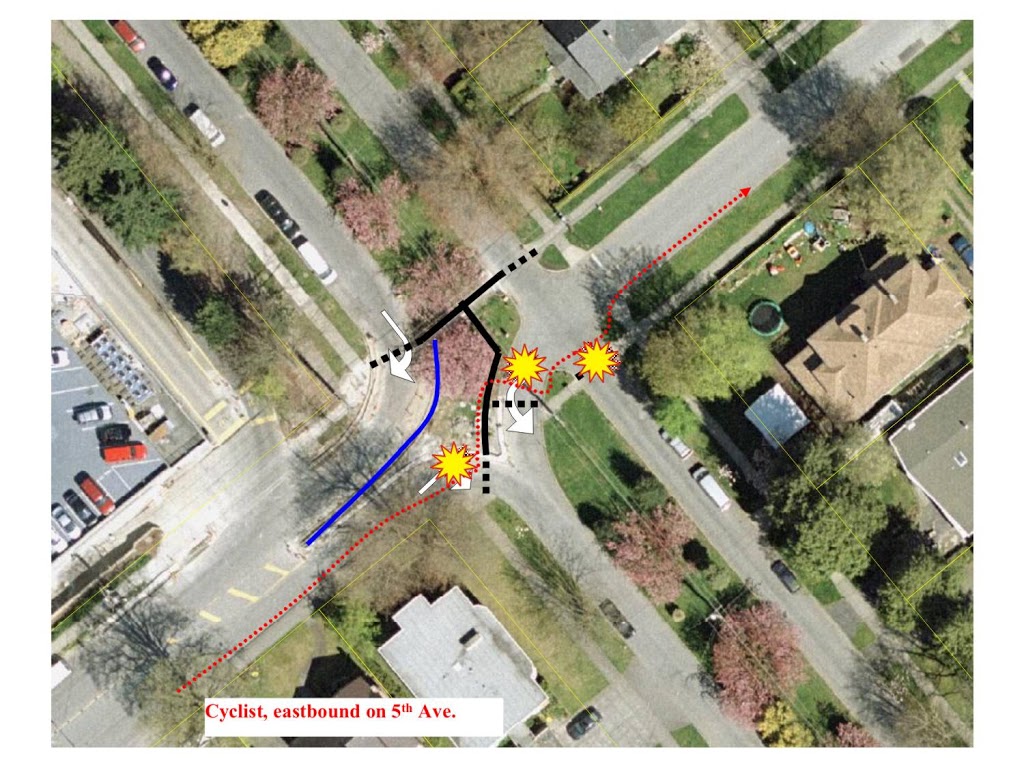
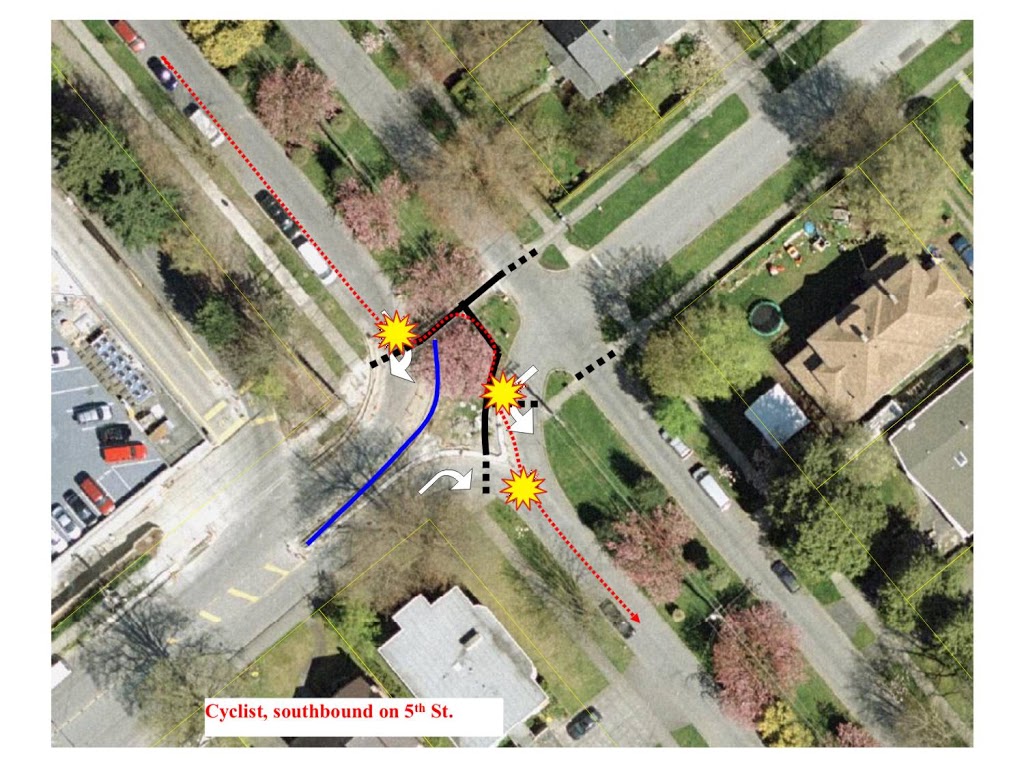
Cyclists heading south-east on 5th Street can turn right with traffic (after passing a narrowing of the road, and with their vision and the vision of drivers limited by vehicles parked right up to the corner, but alas, that is our lot). For a cyclist to turn left, one is expected to make a 90 degree left turn from the right side of an unmarked right-turn lane, go up on the sidewalk, cross the median (presumably on the sidewalk), then cross the northwest-bound lane (presumably on the crosswalk), then cross both lanes of 5th Ave (on the crosswalk?) to resume your proper place on the road. To go straight, you must do the same 90-degree left on to the sidewalk, then do another 90-degree turn on the crosswalk, then hop off the sidewalk on the driver’s blind side in the middle of the intersection (predictable quote from driver: “He came out of nowhere!”) while merging with drivers turning off of 5th Ave coming from the other direction, crossing the lane and heading on your merry way. If you look at approaching the intersection form pretty much any other direction, the cyclist choices are equally poor, and completely ambiguous.
No wonder cyclists are accused of flaunting the rules of the road, the rules of the road often cannot apply if the road is not designed to accommodate cyclists.

Now that the problems have been brought to Transportation staff (via PBAC and the VACC), they say they will review the plans. No doubt this will cost staff time and money, so they will have to wait until resources are available. But that is not the point. The design, as it is, requiring expensive re-design should never have been installed! Any member of the PBAC could have gone to the site during the design phase and predicted this problem. Any professional transportation engineer, if asked to review the situation for bicycle and pedestrian access, would never have approved this design. It was a much-up from the start, because they simply didn’t think about what they were doing. It was a Ad-hoc approach to a problem, poorly executed, and it will costs us (the taxpayers) more money because of that approach.

Now I see the City is advertising to hire a new transportation engineer , presumably to replace a senior person in transportation who moved onto another Municipality recently. The fact the posting lacks any reference to alternative-mode planning or sustainable transportation, well, I can let that pass assuming those types of skills would come up in the screening / interview process. But is not a good sign when your City, which brags about it’s 47% “sustainable travel mode share” downtown, and it’s new “transportation demand management system” requires its new transportation engineer to drive a private vehicle to work!.

More of the same.

I’m a Eco Geek

At work, I’m an environmental coordinator; as a volunteer, I help run a grassroots environmental non-profit. On vacation: I tour recycling plants in far-off locales.

OK, it might have been a one-off. An old friend I was visiting in Illinois happened to be teaching and Environmental Science course, and invited me to tag along on a field trip she had organized for her class. The destination was the Scott Area Recycling Centre and associated Electronic Demanufacturing Facility:

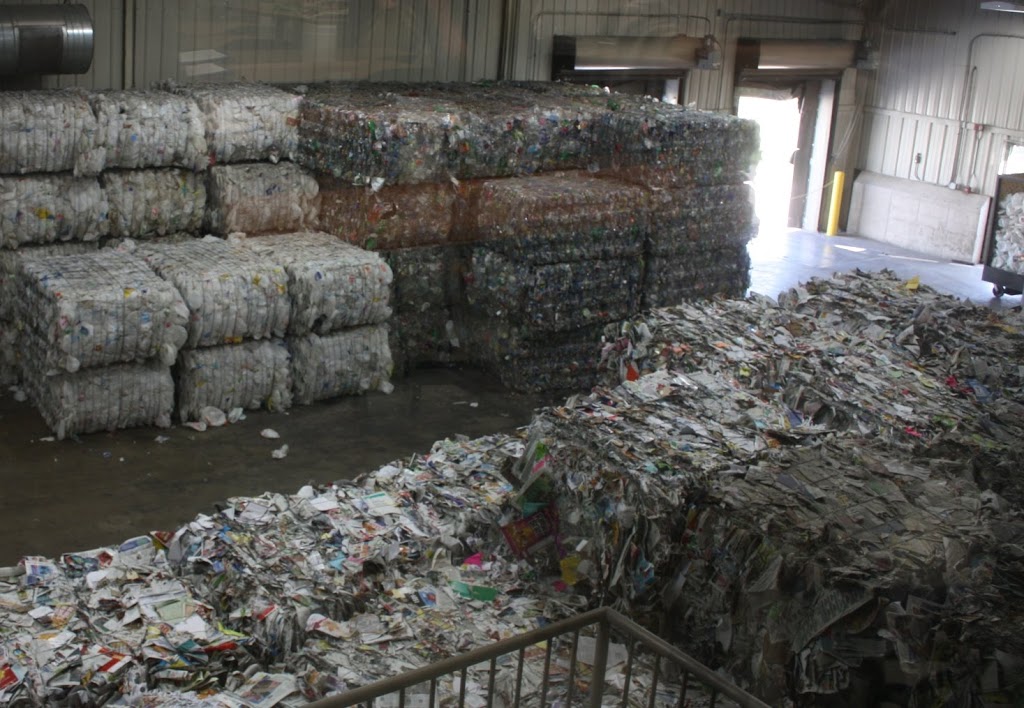
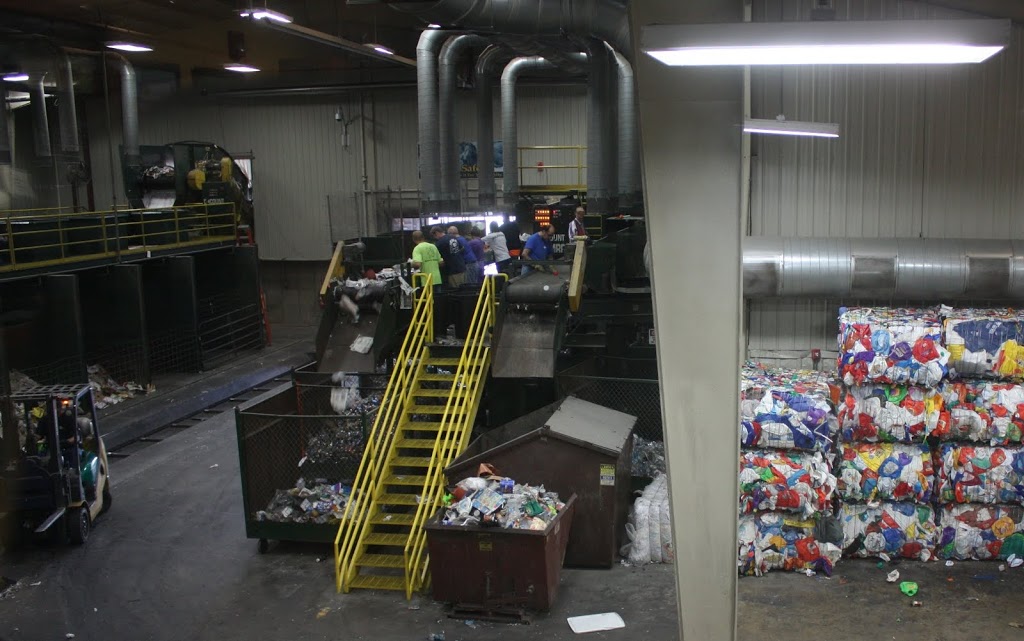
Scott County and the City of Davenport, Iowa, are trying to reduce the amount of waste going to landfill (for all the environmental and economic reasons one would expect), and their curbside blue box materials come here. In Davenport, they do “commingled” recycling, and this facility is where the waste is separated and compressed for shipping to whoever will buy the recycled materials. They receive mixed paper, newsprint, plastics #1 and #2, and metal and glass containers. There are a series of magnets, air-blown density sorters and other equipment, but the majority of the actual sort is done by hand.

The facility runs as a non-profit, but is reliant on near-by markets for the recycled materials. In this case, that means at least three solid markets within a 300-mile radius, or the economics just don’t work out. They closely track the commodity value of their incoming products, just to break even. $150/ton for aluminium cans, $75/ton for first-use plastic #1, $12/ton for mixed paper. Since there is no break-even market nearby for plastics other than the first two, they are not accepted. Glass is a real money loser at $2/ton, but they receive it for two reasons: it is heavy, and therefore boosts diversion numbers, and as a marketing tool for recycling, it would be silly to not collect the one material (beer and other bottles) that people associate most with recycling. Perception matters with Community Based Social Marketing.

The results? A County-wide diversion rate approaching 25%. This is good compared to no diversion at all, and adds to the lifespan of the local landfill, but pales in comparison to areas with aggressive diversion targets, such as Metro Vancouver (Currently 55%, aiming for 70%). Scott County is not aiming for a specific number when it comes to diversion, only “continuous improvement”. Still, for semi-rural Iowa, any diversion is a success.

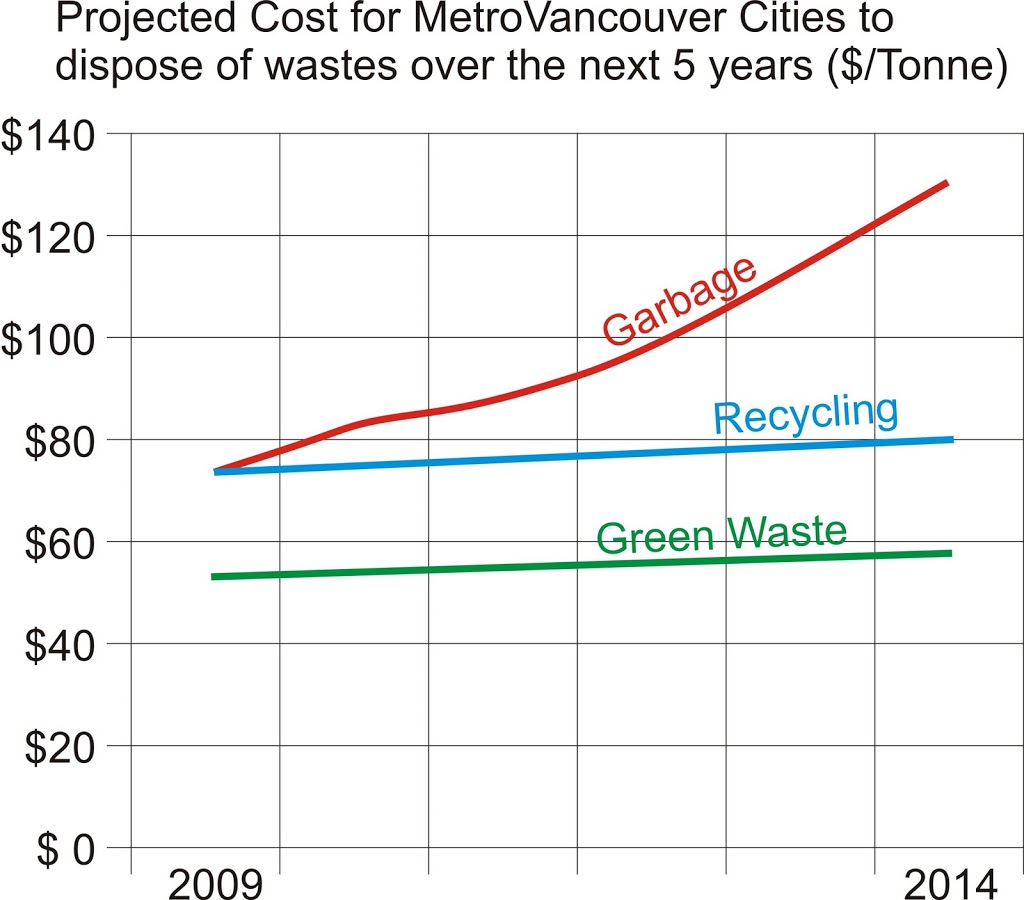
One interesting difference between here and there is tipping fees, what garbage collecting companies or municipalities pay to dump materials at the recycling yard and the landfill. At the Scott County landfill, mixed household waste is $24/Tonne. At the recycling centre, it is $23/Tonne. I’m sure the small difference is significant to large-scale waste collectors, but compare the numbers in MetroVancouver : $82/Tonne for mixed garbage, $59/Tonne for “Green Waste” that can be made into compost. Before you think this is another example of the Government Screwing you becasue you are Canadian, the tipping fee does not reflect the $130/Tonne it costs to manage Vancouver’s waste. The fact our recycling programs generate a modest profit creates the incentive that has led to our >50% diversion rate. and the reason we are aiming to improve it:

Which leads me to a conversation I had last month with one of our esteemed members of Council. During a discussion on waste diversion goals and incentives, I suggested that the cost differential between landfill and recycling (resulting in part from our choice to export our garbage more than 300 kilometres), is the main reasons we have achieved such remarkable diversion rates. He called me “cynical”.

I don’t think that suggesting regional governments make decisions based on economics, and the sound fiscal management of the Taxpayer’s assets is “cynical”. I would think it is “responsible”. We don’t divert because it is the right thing to do, we do it because we simply cannot afford not to.

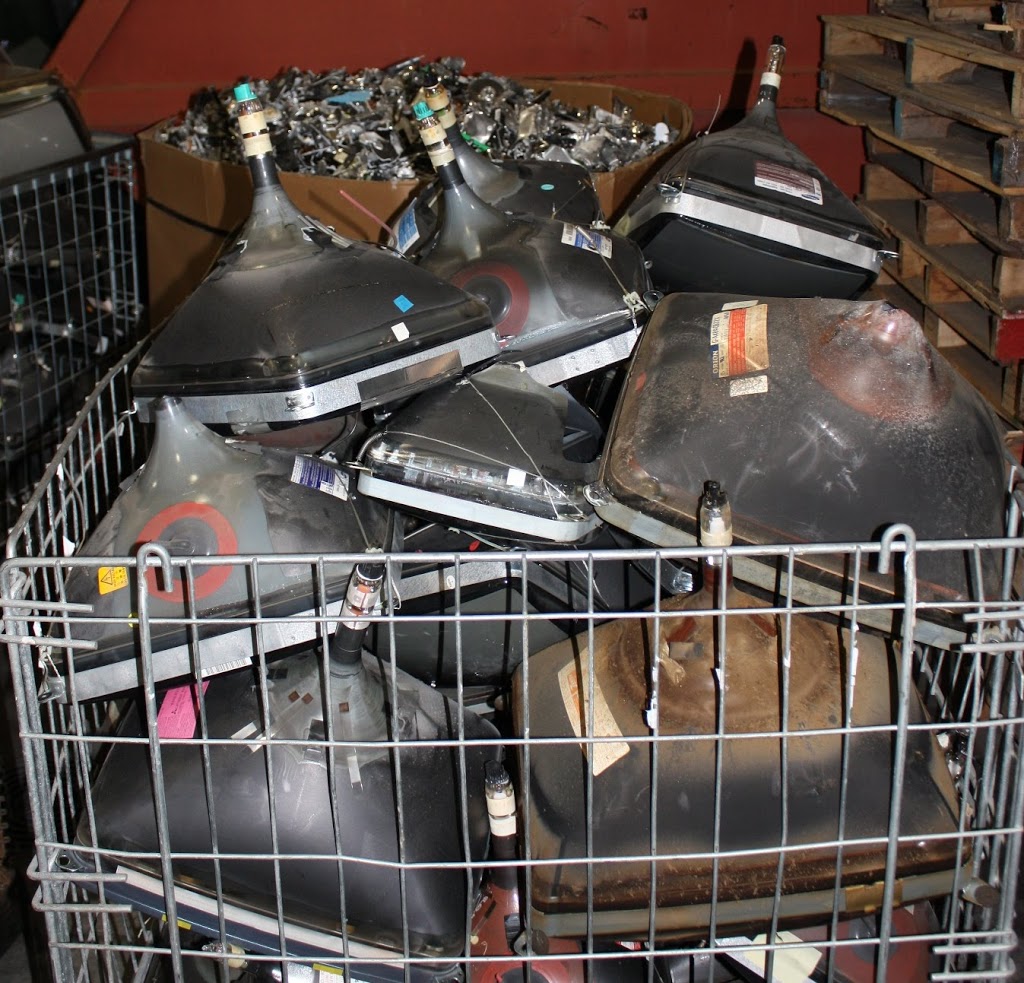
More later on how Scott County manages e-waste, and the death of the CRT display.

A day in the life of plastic bags.

I guess if you are in an airport, mother nature got screwed anyway, but everything about the airport experience tells me to never fly again.

You can’t put so much more than a car key in your carry-on, for fear you will use it to commandeer an aircraft (let us not mention the axe in the cockpit), so we are forced to check baggage or just buy all new stuff at your destination. All US carriers now charge an extra $25 pre bag for luggage when flying in from Canada. Apparently Air Canada does as well. No warning ahead of time, only when the electronic kiosk that replaced a person in the airport asks for your credit card. Of course, at that point, what can you do, complain?

Then there is the theatre of airport security. Every three steps someone checks your boarding pass, you must fill out this form here, carry it through three checkpoints, picking up another form there, remove your shoes, belts, dignity or anything else with mass, drop off the first form, give your life history and vacation plan, drop another form there. Does anyone actually think there rituals make us safer?

Figuring it would be nice to bring some BC produce to our hosts in Illinois, we decided to pick up a couple of bottles of BC wine at the Duty Free. The middle aged lady at the Duty Free shop proceeded to pull out two separate plastic bags and put a bottle in each. We asked for only one bag. She paused, processed, and then grabbed a third plastic bag, wrapped a bottle in it, stuffed it into one bag then stuffed it all into the second bag with the other bottle. Was she trying to spite us? Was this some sort of reaction to our provocation?

No, it was a misunderstanding. We had to explain to her the idea was that we only wanted one bag, you know, the environment and all… completely baffled her. It was like we were asking her to do vector calculus. She froze. Confused. Needed a reboot. No-one in 40 years of work or personal life had ever introduced to her the idea that one may want to reduce the amount of free plastic they get. Zero Waste has a long way to go.

The only saving grace of airports is they have airport bars. This one was out of beer.

Vacation on.

Placemaker Blog Post

I really want to post once a day as a minimum, but things are crazy right now.

Mostly, the “free time” I would have today was spent doing edits and formatting a report I am helping some friends put together. Here is a paragraph, to explain it all.

The Glenbrook North Zero Waste Challenge (GNZWC) took place in the spring of 2010. It was modeled after a similar challenge which took place in the Strathcona neighbourhood of Vancouver in the summer of 2009. Both challenges were grass-roots efforts, led by local champions who wanted to see a greater emphasis on waste reduction, recycling, and composting. By sharing resources, ideas, and energy, these small groups were able to take action and reduce the environmental footprint of their community. The end result was not just an increase in recycling, but a remarkable reduction of the amount of garbage going to the curb, along with the drawing together of neighbours for a common cause, and the strengthening of the ties that build our community.

The three women running this thing did a great job running a grassroots Challenge, all we need to do is burn a little midnight oil to get the report completed!

Check out their website and send them some love.

Baker Lafarge

Yesterday was one of those clear, beautiful days that makes you wonder why anyone would live anywhere other than British Columbia, hyperbolic, boastful advertising slogans notwithstanding.

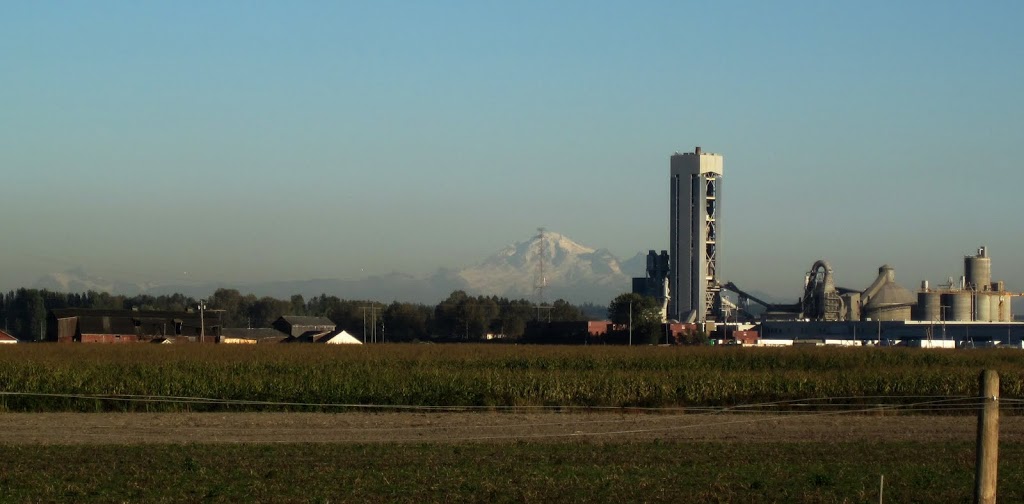
I was riding home from work along Westminster Highway, and Mount Baker was clear and bright on the horizon, providing a dramatic backdrop to the Lafarge cement plant in east Richmond. The volcanologist in me cannot see a volcano without imagining what it is going to look like when the damn thing goes off. In the case of Baker, most of MetroVancouver will have a front row seat to watch the pyroclastic extravaganza. Due to some fortunate geography, we will also avoid most (but not all) the damage caused by the inevitable lahars, ash clouds, and nuée ardente.

The plume coming off an erupting Cascade Volcano will be dramatic, and will dwarf that little Lafarge Cement Plant. Or will it? This was the question that kept rattling around in my head during the rest of my ride. How many years would that plant have to operate to generate the CO2 of a single eruption of Mount Baker.
The good people at the Cascades Volcano Observatory in Lesser Vancouver actually measured the CO2 output of Mount Saint Helens during the 2004-2005 eruptive event, and it was around 650 tonnes per day. According to the paper, the outgassing during the big eruption in 1980 was probably measured in the thousands of tonnes per day, The take-home numbers are about 200,000 tonnes of CO2 released during the big eruption in 1980, a little less than 200,000 tonnes released over the entire 2004-2005 measuring period (a period of significant eruptive and dome-building activity), and somewhat less during quiescent times. This for a volcano of similar type, size and age as Mount Baker.

As for Lafarge, according to Environment Canada , that plant puts out between 800,000 and 900,000 tonnes of CO2 every year. The last year stats are available, 2008, it was 871,000 tonnes.

I don’t mean this as an attack on Lafarge; I recognize that we need concrete in our lives, and Lafarge is an employer in our community… I just make the comparison to shed light on how our human scale is distorted; “Common Sense” is rarely either. Like all risks, we concentrate on the big, dramatic and rare events, but disregard the cumulative impact of every day life in the modern world.

More on the science of volcanoes and AGW here.

Catastrophe in Hungary.

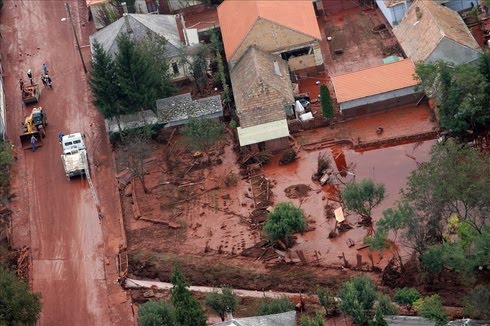
This is sad, disgusting, scary. Apparently a million cubic metres of toxic sludge laws released from a containment pond. This stuff is caustic enough to cause chemical burns, and full of enough toxic metals to make things very unhappy for the receiving environment, and people, including the residents of several downstream towns.
A million cubic metres: picture an area the size of Queens Park, 10 feet deep, then spread out over an area almost three times the area of New Westminster. What a mess.

The story looks like a long, complicated one, with a company producing a bunch of the sludge and keeping it contained in a pond indefinitely with no real plan for how to dispose of it long-term. Local Environmental whackos have been asking the Government to address the situation since 2003, to no avail. That could never happen in Canada. Right?

More photos here

The fig season

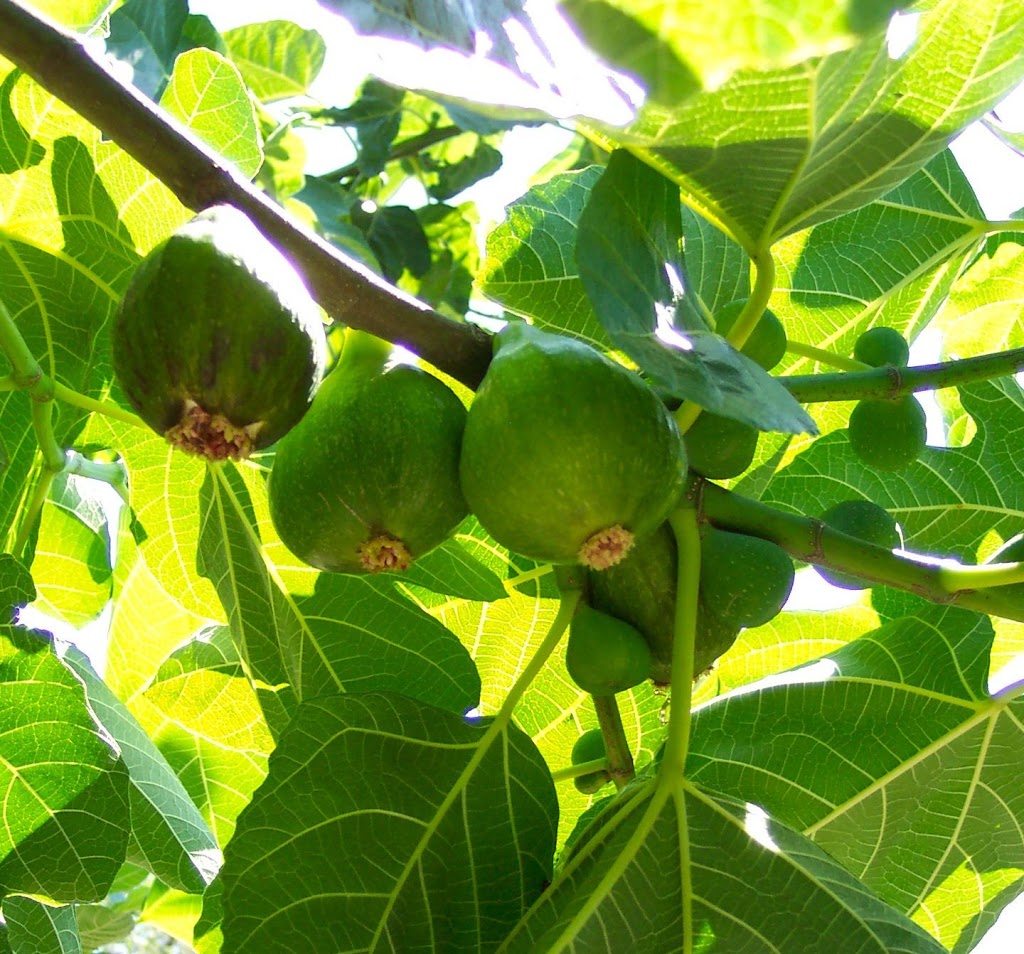
Everything in the garden was a few weeks behind this year, but one thing that was right on time was the fig tree.

We once had an arbourist come in to look at our trees, and he gave me at least one keeper piece of advice. I asked him when Figs are usually ready, and he said “opening weekend of the P.N.E”. For the second year in a row, this prediction has been perfect.

One problem with figs is that there is a very, very small ripe fig window, especially as the P.N.E. rains accelerate the rotting process on the tree. I swear that last year I left for work in the morning and the figs were not ripe, got home from work and they were ripe, went inside, found a bowl, got out the ladder, and went back outside, and they had all rotted off the tree. We needed to catch the magic window this year.

In the spirit of the Vancouver Fruit Tree Project, we sent out an open call on Facebook and through the NWEP, and had a revolving door of people through the back yard on the weekend that the figs were available.

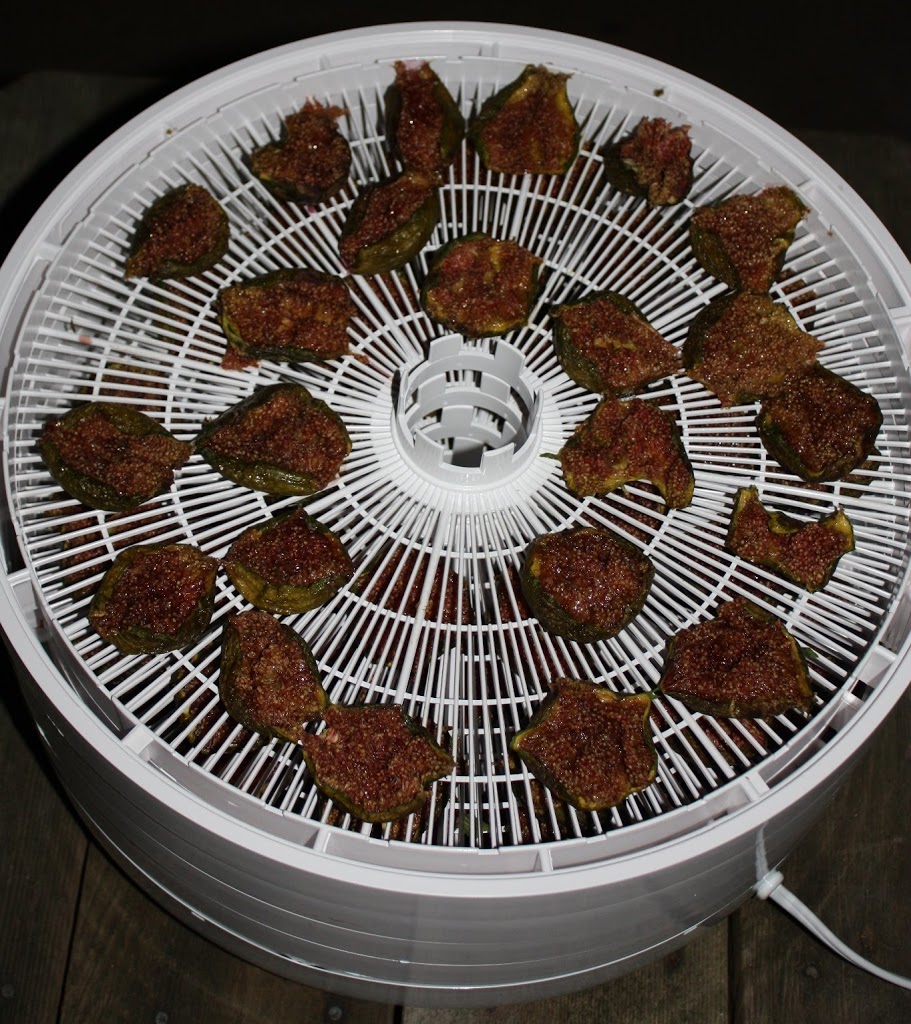
Besides giving the Figs away (and trading some with some friends suffering from a 40lb raspberry crop this year), we also experimented in preservation:

We dried them,

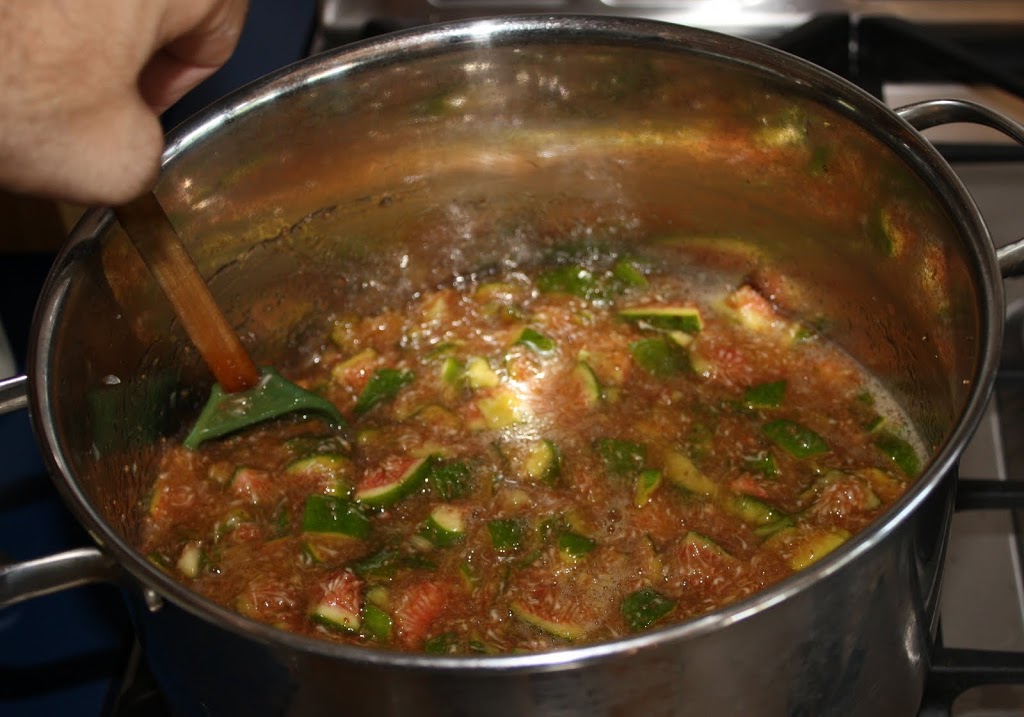
We made jam,
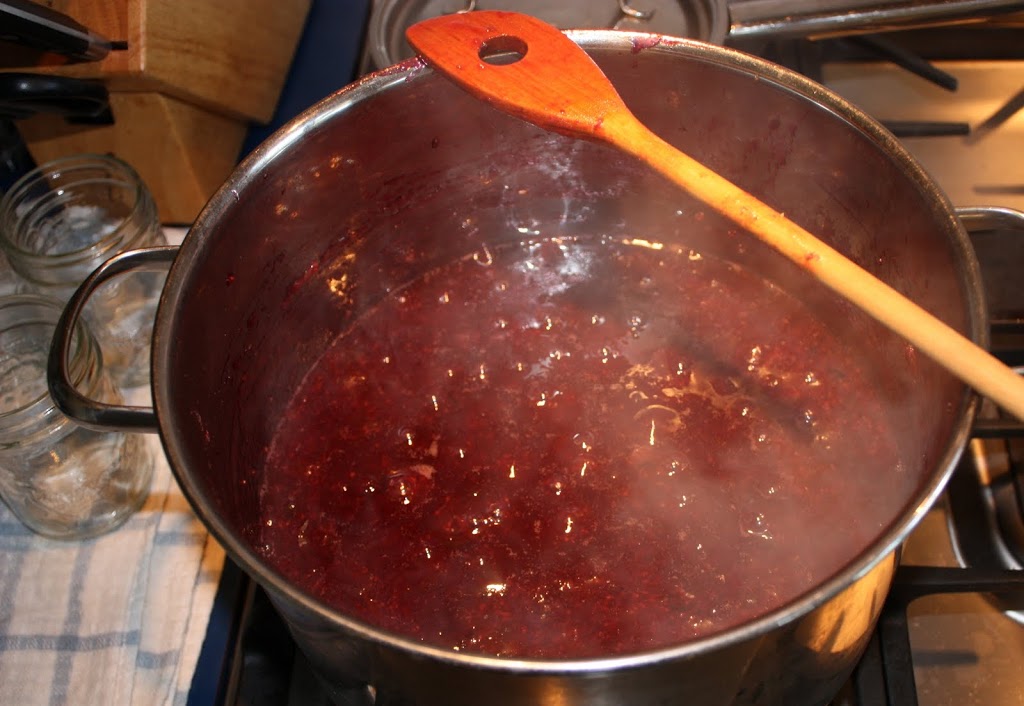
We mixed them with raspberries and blueberries and made more jam,
we ate them right off the tree.

Of course, we were not the only ones in the neighbourhood who enjoyed the fig harvest this year: