Council – June 25, 2018

The June 25th Council meeting was the Reports and Awards edition! We had a presentation of the City’s Annual Report (which you can read here), and had presentations to our staff for a recent raft of planning and economic development awards won by the City. We also had a chance to thank recently-retired Director of Planning Bev Grieve for the work she did – and her instrumental role in making New Westminster a regional leader on innovative affordable housing policy. Our community owes a serious debt to Bev, and I hope she enjoys a lengthy and enjoyable retirement, content in the knowledge that her career made a meaningful difference in the lives of so many residents.

But we also had business to do, starting with an Opportunity to be Heard:

Five Year Financial Plan (2017 – 2021) Amendment Bylaw No. 8023, 2018
The City’s “budget” exists in the form of a 5-year financial plan, as required by Provincial Regulation. It is completely updated once a year, and we occasionally do interim updates to keep it compliant and assist with continuous financial planning and transparency. These amendments all fall under the category of “things our finance staff do their best to accurately estimate ahead of time, but are hard to predict”, such as how much DCC revenue we will receive and how much cost recovery we can achieve on disposal of capital assets.

The regulations say we need to give the public an opportunity to comment on changes to the Financial Plan before we adopt the Bylaw. We received no correspondence, and no-one came to comment during the Opportunity. Council moved to refer the Bylaw for Adoption.


The following items were Moved on Consent:

Arts Strategy – Update
We had a framework for a new Arts Strategy come to Council back in May, and it received a slightly frosty reception, at least in part because of a similarly-frosty reception it received from the Arts Community during the last round of public consultation. This is a quick update on the roadmap moving forward that was developed by our Arts Strategy Task Force and our Arts Commission.

This is a positive step forward, and we have a clear path towards a more community-focused Arts Strategy that should come back to Council before the end of 2018.

The City is investing in the Arts like never before. From the building and running of the Anvil Centre, the expansion of arts programming, the Public Art strategy and amenity fund, and our commitment to invest in renewal of the Massey Theatre, it is clear this Council wants to support the Arts, so it is really important that we get the strategy right.

Cannabis: Public Consumption – UBCM Resolution
As reported last week, we are working through the municipal response to cannabis regulations. One aspect with high potential impact on local governments is the regulation of public consumption and integration with existing smoking bylaws. Part of the problem is that smoking regulations in BC are a mish-mash or overlapping jurisdictions. The many players who have some responsibility for enforcing smoking restrictions include private property owners (through WorkSafe), the Ministry of Health (and Fraser Health), TransLink (for Transit property), the Province and Local Governments, both through Police and Bylaw Enforcement. At least in the last case, every local government has taken their own approach, resulting in more confusion amongst all of the agencies about what just what the rules are where.

We are taking a resolution to UBCM requesting that the Province use the introduction of recreational cannabis and their authority to prescribe public smoking restrictions, so that the patchwork between local governments can be made consistent.

601 Sixth Street: Development Variance Permit for Signage – consideration of Notice of Opportunity to be Heard
An Uptown commercial property wants to update its signage in a way that does not strictly comply with the Sign Bylaw, which requires a Sign Bylaw Variance, which requires an Opportunity to be Heard so people can tell us if they like or hate this idea. That Opportunity will be on August 27, 2018. C’mon out and tell us what you think.

2017 Annual Water Quality Monitoring Report
Our drinking water is supplied by Metro Vancouver, but the local delivery system (pipes and valves and such) are operated by the city, so we have a joint responsibility to assure that Provincial Regulations regarding water quality testing are met. This is our annual report. We collected just under 1,000 samples in 2017, with no significant concerns.


The following items were Removed from Consent for discussion:

Renewal of Uptown New Westminster Business Improvement Areas – Results from Notification of Affected Property Owners
The 5-year term for the Uptown BIA is expired, (Has it been 5 years already!?) and it is time to re-up. As a reminder, a BIA is a business-community-led initiative permitted under the Community Charter, which allows a local government to collect a parcel or frontage tax from all commercial property owners within a geographic area and turn that tax over to the BIA members with the commitment that it will be spent on improving the viability of the commercial district and businesses therein.

After requesting that the City commit to another 5-year term, the participant businesses in the Uptown were surveyed. 6.1% of the businesses opposed participation, representing 1.15% of the commercial property in Uptown. So Council moved to approve the renewal of the BIA for Uptown.

Renovictions Action Plan: Update
Rental vacancies in New West are below 1%. Rents are going up. Much of our more affordable rental stock is reaching the age where extensive renovations are required. These factors add up to a serious “renoviction” crisis. The City has been very effective at reducing the types of wide-scale demovictions other communities are suffering, but renovictions are a more difficult problem to address because of our limited powers under the Local Government Act. As a result, we have had renoviction of at least 215 rental units in the City in the last two years (to put that in perspective, there are about 15,000 rental households in the New West).

In the last few years, New West has sought ways to do more than is strictly required by legislation to protect the vulnerable members of our community, and our staff have done many things to reduce renoviction, and assure people facing renoviction have access to as many resources as possible to assure their rights are protected. We have also advocated with the Provincial government to make changes to the Residential Tenancy Act that would provide the marginally housed more protection from renoviction (with some moderate success recently). This report provides a bit of a summary of what we have done, and an update on what we will be doing going forward, including taking part on the Provincial Rental housing taskforce work through 2018.

Sapperton/Massey-Victory Heights Transportation Plan
A new Transportation Plan for Sapperton and Massey Victory Heights was needed. The last comprehensive review of the area was last century, and with the introduction of the Millennium Line, expansion of RCH, the Brewery District and (eventually) Sapperton Green, along with regional transportation pressures, it is time to review again how we will balance the need for people to move through the region and the need to protect the livability and safety of our residential neighbourhoods.

There were some public workshops and a Community Working Group representing residents and businesses in the area. There was also extensive consultation with RCH. TransLink and other stakeholders. There was also a lot of data collection, research, and engineering planning work that went into this. As a result, the report has *a lot* of detail regarding traffic loads, future plans, and phases of implementation. Some parts are meant to be implemented in the short-term (mostly traffic calming improvements), some in the medium term (more complicated network improvements), and some more longer-term priorities are identified.

Although the 320+ page report was more than I could dig deeply into before Monday’s meeting, my initial impressions are that the estimates for “Trip Reduction” (diversion to transit or active modes as opposed to single-occupant vehicles) seem very conservative, both locally and regionally. We currently have 16% of all trips generated in Sapperton as walking/cycling only, and the report estimates 20% for Sapperton Green – a pedestrian-oriented community on a SkyTrain station to be built out in the 2030s. Throughout the document, current mode shift is projected to the decades ahead, with little gain over current numbers. I recognize the need to be conservative when planning far in to the future, but if we do not achieve much greater mode shift to transit and active modes by 2040, then the regional plan and regional transportation plans will have completely failed. In this eventuality, the regional call to pave Sapperton down to accommodate through-drivers will be deafening.

On a related topic, the data around traffic and parking related to an expanded RCH is concerning. Unless Fraser Health starts to recognize that dependence on single-occupant vehicles as the “default” transportation option is a public health concern and makes Transportation Demand Management a priority for its community, starting with its staff and patients, the impact on Sapperton threatens to offset the benefits of having this important community health amenity in our City.

Another important aspect not discussed in the Plan (and I have been harping on about this for a while) is that East Columbia will never be a Great Street, and we will never achieve the goals we have for that commercial streetscape and pedestrian realm if it is the sole access for all traffic to RCH and the Brewery District. Those two uses are incompatible. There must be access to the expanded RCH via Brunette Avenue, and that means a fully signalized intersection at the foot of Keary, Allen, or Sherbrook. (I think Keary works best, as that is the direct access to the RCH underground and the later phases of the Brewery District underground – however a traffic barrier will be required between Brunette and East Columbia to prevent this becoming a major rat-running throughfare).

Of course, installing a signalized intersection will impact through-travel “capacity” on Brunette, which is a truck route and on the Major Road Network, meaning the City cannot make these changes without buy-in from everyone one from TransLink to the trucking industry. However, as this plan talks about re-aligning the East Columbia & Brunette intersection to improve flow, and making Brunette four lanes between East Columbia and Spruce we need to assure these things are designed as a single package, or we will never receive this important amenity for our community.

Anyhow, besides these point, which fall squarely in the “medium- and long-term” category, and as the plan is a living document, I do not want to delay the short-term traffic calming and livability improvements. Council endorsed the Traffic Plan with this in mind.

New Utility Commission Bylaw No. 8029, 2018
We are updating some of the language in the Bylaw that regulates our Electrical Utility, mostly as a result of how we have really expanded the responsibility of the Utility as of late, to include power generation (Solar Garden and District Energy) and information networks (BridgeNet). We are really lucky in the City to have this resource that not only pays a dividend to taxpayers, but provides us an ability to take on new and exciting challenges.

Emergency Advisory Committee: Request Provincial Government to Provide Access to Alert Ready (Emergency Alert System) to Local Governments
This recommendation from the Emergency Advisory Committee is to take a resolution to the UBCM meeting in the fall that the Provincial Government provide better access to real-time emergency alert system info to better plan our local emergency response in the case of a large, regional emergency event. Endorsed by Council.


We then had another Opportunity to be Heard:

Temporary Use Permit for 218 Queens Avenue
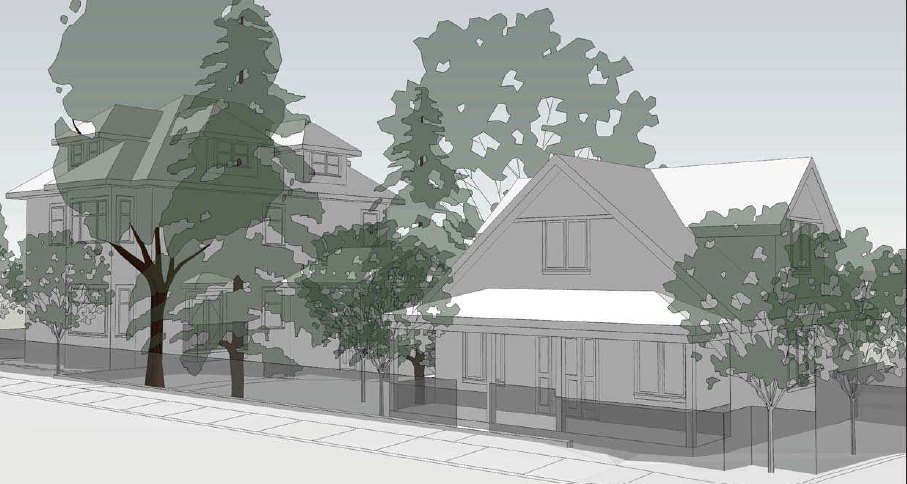
This is an interesting project. The owner of an exceptionally large residential lot in Queens Park wishes to relocate a couple of smaller heritage homes that may otherwise be demolished onto the back part of his property so they can be preserved and renovated. There are two challenges to this. When a house becomes available, it must be moved fairly quickly, usually because the current owner just wants the house out of the way so they can re-build, and moving it is only considered over demolition when it doesn’t delay the project. Of course, permitting the moving of a house onto a property from the City’s side is not a fast process, so the property owner here wants to get a sort of “pre-approval” for the land use. The best path is a Temporary Use Permit, with the idea that the full Zoning change would happen after the house is moved, in the event a house is moved.

We received no correspondence on this item, and only the Proponent came to speak on the Temporary User Permit. Council moved to approve issuance of the permit.


Finally, we went through our regular Bylaws approvals:

Utility Commission Bylaw No. 8029, 2018
As mentioned above, this Bylaw that updates some of the language and mandate of the Electrical Utility was given three readings.

Uptown New Westminster Business Improvement Area Bylaw No. 8019, 2018
As discussed last week, this Bylaw that renews the Uptown BIA agreement was adopted by Council. Adjust your buying habits appropriately.

Street Naming Bylaw No. 7984, 2018
As discussed previously, this Bylaw that officially names a new street n Queensborough Roma Avenue was adopted by Council.

Housing Agreement (406 to 412 East Columbia Street) Bylaw No. 8000, 2018
This Bylaw that secures rental use for the residential portion of this development in Sapperton was Adopted by council. More Purpose Built Rental in New West!

Animal Care and Control Bylaw Amendment Bylaw No. 8026, 2018
Bylaw Notice Enforcement Bylaw Amendment Bylaw No. 8027, 2018 and
Municipal Ticketing Information Bylaw Amendment Bylaw No. 8028, 2018
These Bylaw changes that remove charges for the licensing of therapy dogs in New Westminster was adopted by Council.
Council – June 19, 2018

Our second Council meeting last this week was held on Tuesday, with Special Public Hearings to hear from the public on two Bylaw changes related to the Queens Park Heritage Conservation Area, and our ongoing efforts to improve the policy.

Zoning Amendment (Queen’s Park Heritage Conservation Area: Bylaw for Incentives to be Implemented in the Short Term) Bylaw No. 8024, 2018
The City committed, when implementing a Heritage Conservation Area (HCA) to also add some incentives to provide better positive benefits for those who investing heritage conservation. Although ideally we would have done this at the same time as introducing the HCA, the statutory limits to the Heritage Protection Period and intensive community conversation and policy work that went into getting the HCA right and rolled out on time simple left us with limited resources to do the incentives work. This work has now been done, and a first phase of incentives are ready to be implemented.

We have had quite a bit of conversation about this, and I talked about some of it in my May 14 Council Report. Through these conversations, the proposed incentives were pared down to three groups: those to be implemented immediately, those that need more policy work, which should be implemented within the next year, and those that either are longer-term or more City-wide, and will take yet more work to bring about. This Zoning Amendment is to support a couple of those “immediate” incentives, those that require an amendment to the Zoning Bylaw.

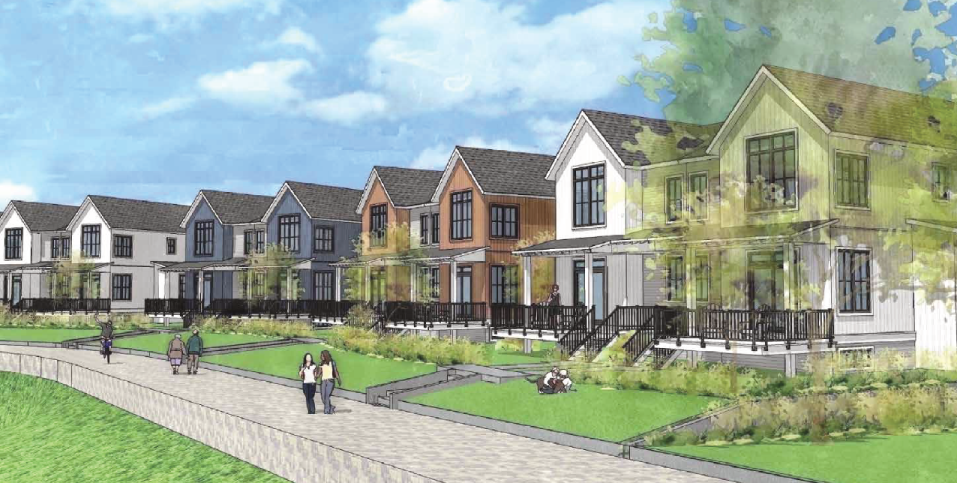
In short, we will permit a slightly larger house on protected properties than is generally permitted in single family residential zones (FSR 0.7 instead of a usual 0.5), and will allow homeowners to “shift” some of this density (if they don’t want to improve their principle residence) over to a laneway of carriage house, as long as that secondary building does not exceed 958 square feet.

There is a bit of nuance in this. First off, the maximum allowable site coverage (that is the amount of a lot covered by buildings as opposed to lawn or garden) is not going to go up, so this should not result in a big change in the amount of green space. There is also some detail in how we count attic and basement space towards FSR that may be too complex for this quick summary. This incentive structure should provide the most flexibility to homeowners to maximize their living space, and add secondary rental suites.

We had a bit of correspondence on this item, about a dozen written submissions, almost all in support, and we had about a dozen people come to speak at the public hearing, again generally in favour. Some concerns were raised in regards to loss of green space (which I think will still be protected by the limit on site coverage), and some delegates are still irritated by the concept of the HCA, but I go the sense that the public understand and appreciate the incentives offered so far.

Council gave this Zoning Bylaw Amendment third reading and adoption: it is now the law of the land.

Official Community Plan Amendment (To remove Heritage Conservation Area Related Protection from Phase 1 Special Limited Category Study Properties) Bylaw No. 8025, 2018
When the HCA was put in, all residential properties in the Queens Park were put into one of three categories: Advanced (meaning they are fully protected, due to age and inferred heritage value), Limited (meaning they are not protected against demolition, as they are not old enough to constitute heritage), and Special Limited, which was somewhere in the middle, partly because their heritage value was uncertain, and partly because the nature of the residence may have created an unreasonable burden to the homeowner if they were fully protected. At the time, it was acknowledged that further analysis of these 85 “in the middle” properties would be required before eventually re-classifying them to one or the other category.

As moving properties between categories requires an Official Community Plan Amendment, staff recognized that doing these by groups will be easier than doing each individually. They created a phased screening approach to this, and the first phase is currently complete. As a result, 35 properties were recommended to be moved from Special Limited to Limited, essentially reducing the protection on the properties.

This first screening was done by the City with the help of consultants. The screening was a desktop exercise where the age and heritage value of the property was evaluated at a very basic level, as was the potential for the homeowner to achieve their zoning entitlement while still protecting the intact residence. Of the 85 Special Limited properties, 35 were found to have a combination of low heritage value and severe infringement of zoning entitlements such that removing them from protection made sense. Each of these homeowners was contacted to let them know that staff would be recommending removing their protection. They were given an opportunity to “opt in” to Advanced protection, if they wished to avail themselves of incentives (discussed above).

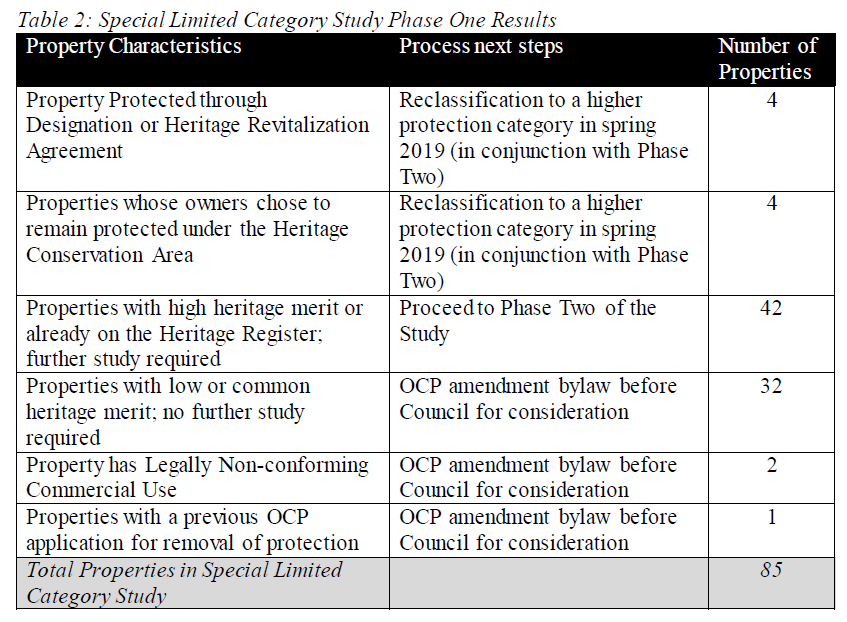
This leaves 50 other properties of the original 85. Four of those properties already had higher levels of protection than the HCA (they were “Designated” already), 4 were owned by people who specifically asked to have their property put into the Advanced Protection category, and 42 others that will go through a more detailed screening process as part of a Phase 2 study. This table from the Staff report explains that all:

As a complication, one of the 35 property owners being exempted requested (too late to get into this OCP Amendment Bylaw) that their protection be increased instead of reduced, so Council tacked on a motion asking staff to fast-track their individual shift from Limited to Advanced protection, after this omnibus shift of properties to Limited. 

Again, we received about 20 pieces of correspondence on the OCP Amendment, almost all in favour. We also had about a dozen delegates, mostly in favour. Council moved to give this OCP Amendment Third Reading and Adoption.


The entire HCA process has been a challenge. The call of some level of protection for the Queens Park neighbourhood led to the previous Council appointing a community working group, who put together some recommendations for this Council. The temporary Heritage Protection Period that was necessary to prevent demolitions put a tight deadline on the development of an HCA, and a lot of policy work and consultation with the community resulted in a suite of measures that will bring reasonable protection to the heritage assets of Queens Park, but will still allow the neighbourhood to grow and evolve, so it can still be a vibrant neighbourhood with a variety of housing. There is more work to go yet, but I am happy with the approach we have taken. Many thanks need to go to the staff for putting this challenging program together, and to the community for continuing to be engaged in this program and providing valuable feedback that is making the policy stronger.

Council – June 18, 2018

This week we had two (2!) evening Council meetings. It is a little unusual, but have a lot to get done before the summer break, and some of it requires Public Hearings. As we rarely know ahead of time which Public Hearings will strike a chord in the community and result in hours of delegations, Staff have tried to pace things out to assure we don’t run into scheduling delays or situations where important issues that need a fulsome community conversation are overwhelmed by one another. So two meetings it was. I’ll write a second post about the second meeting, but first, a Monday Council Workshop on a single topic:

Cannabis Workshop: Implementation of Cannabis Legislation
This is a follow-up to a workshop Council held on January 29, and you might want to go back to this report to get caught up on where we are and where we are going here. It really explains the areas that the City needs to deal with – that is issues that are not already regulated by the Feds or the Province, and those where we are able to augment senior government rules because of our land use and business license regulatory powers.

After that January meeting, our staff did some work and some public consultation to develop a set of guidelines that they will draft into Bylaws. This workshop was meant to be a check-in with Council, and a conversation with the public, around that framework.

This is an evolving file, and Bylaws are yet to be drawn (this was even discussed before yesterday’s Royal Assent of the Federal Cannabis Act, demonstrating how quickly things are changing), and some may require Public Hearings. Therefore, I am going to speak in generalities about what the major areas of municipal legislation are, what the proposed direction from staff is, and what my initial opinions are (recognizing any and all three of these could change before the October 17th date the Federal Law is meant to be enacted).

Land Use for Cannabis Retail
As a City, we can regulate this, all the way from not allowing any retailing of cannabis in the City to having a complete free-for-all. The general direction would be to mimic how we deal with liquor retail: require a site-specific zoning. This gives Council a lot of discretion, in that the zoning would be based on a set of Guidelines, but Council could always be asked by a proponent to vary from those guidelines. At this point, staff have suggested limiting retial to commercially zoned areas (naturally), and to create limits on how close a store can be to a school or (potentially) to other areas like Parks and Daycares (100m). They also recommend having a prescribed distance between cannabis retailers (300m).

I suspect the first provision is a bit of a holdover from prohibition, both in how we apply it to liquor outlets and to cannabis: I don’t think it is based on risk mitigation or actual danger to children, but to a somewhat puritan “keep the sin away from innocent eyes” holdover from the temperance movement. I recognize that a community concern exists, however, and don’t think a 100m buffer to schools will be onerous for the businesses. I’m not sure I can say the same about Parks, because 100m from Pier Park and Sapperton Park (for example) does impact commercial areas.

I also have a concern that daycares are already scarce in our City, and are almost all in commercial areas, and as much as I don’t want their existence to unduly limit other retail business, I don’t want a new cannabis store to suddenly preclude the existence of new daycare centres if operators want to open them. I guess I don’t understand the risk we are hoping to avoid.

As for the 300m proximity buffer between retailers, I also think that may be too large. I used the example of the Starbucks on Sixth Street and Columbia: if it decided to shift to a cannabis outlet, it’s 300m buffer would encompass about 90% of the downtown commercial property. Similarly for Uptown if an outlet was built at Sixth & 6th. I suspect we are trying to avoid creating a “Cannabis district” where every second store is a cannabis outlet, just as a basic land use principle, but there needs to be a bit of work here to make sure we are not being too limiting for new businesses that want to open up.

Business License Regulations
The City can regulate things like operating hours, sign bylaws, and other details of how a retail business can operate in our community. The City is considering creating similar regulations (again) to liquor retail, but still have some work to do on signage and aesthetics. We don’t want businesses with blacked-out windows or bars in the windows, as that creates an uninviting street presence, but we want businesses to be secure. So there is some more work to do where, especially in consultation with potential operators.

Processing and Warehousing
Similar to retail, the City can regulate the type of industrial business that operates in the City. The City is proposing that cannabis processing and packaging be limited to the M1 zone, which is the heavier industrial zone. This is mostly related to the increased anticipated security these facilities will require under federal law, and that level of security not being appropriate for our M2 zones (which are commonly more light industrial-with-a-store-front). There will also be strict waste management and air quality protection measures required by senior government regulation, which makes M1 work better.

Public Consumption
This is where I suspect the most public concern with legalization of cannabis is going to appear: the simple nuisance of second-hand smoke. Public attitudes about public smoking have shifted significantly in the last decade, and the simple approach offered by the province (public use is legal wherever smoking is legal) may prove challenging. Although I suspect the actual use of cannabis will not increase significantly after October 17, the public exposure to its use (along with confirmation bias by its opponents) will lead to a lot of complaints.

The city will be updating our smoking bylaws to include vapor and cannabis smoke, and will continue to limit smoking with 7.5m of a doorway and in Parks. However, banning use in the way we do alcohol (i.e. no public spaces) is challenging, as we will not have “pubs” where people can go, and landlords and strata councils will have the legal authority to prohibit smoking in people’s homes, making it very difficult for some people to find a place to use what is a legal product. One of the delegates at our meeting pointed out the structural unfairness of limiting public consumption for those who may not be able to smoke at home.

Of all the regulations, this is the one that is going to be hardest to make people happy, because it runs up against a conflict between people’s individual rights. With the federal government specifically *not* legalizing edibles and tinctures at this time, smoking and vaping will be the primary delivery method. So we are going to have some learning to do as a society.

Personal Cultivation
The Federal regulations say you can grow a limited number of plants at home for personal use, and the province further restricts that the plants can’t be “visible” from public spaces, and that landlords and stratas are legally able to restrict growing of cannabis in multi-family units. As a City, we are not contemplating adding to these restrictions.


You have until June 24 to take part in the City’s on-line survey about these regulations if you have strong feelings. Otherwise, we will see some draft Bylaws at the end of the summer, and expect that we will be able to make them into law here in New West ahead of the October 17 federal legalization, and before the October 20, 2017 Municipal election!

Council – June 11, 2018

After all of that excitement, it was back to work on Monday at New West Council. We opened the meeting with presentations of plaques for the newest Registered Heritage Buildings in the community. This was followed by a couple of presentations that were emotionally charged. It is Salmonbellies Day on June 17th, but the usual celebration was subdued in light of the recent loss of a treasured member of the SalmonBellies community. This was followed by acknowledgement of World Refugee Day on June 20th, which we marked with a harrowing presentation by a New Westminster resident who is himself a recent refugee from Syria, which put many of our issues in New Westminster into a stark perspective.


Our regular agenda began with a Report for Action:

Modular Housing Update: Further Analysis on 200 Fenton Street
This report is a summary of work done to evaluate a site on Fenton Street in Queensborough for Temporary Modular Housing (“TMH”). This is a follow up report on last meeting, as we had many delegates speaking to the 838 Ewen Avenue TMH proposal, and some suggested the Fenton Street site as a better alternative for TMH in Queensborough. We asked staff to provide more details to the evaluation that was done of Fenton, and to revisit some of the assumptions that went into it being not selected to make sure we haven’t missed something important.

The short version here is that the Fenton Street site is indeed a viable location for modular housing, but there are some significant challenges for the site that impact the timing, cost, and project risk. The site would require pre-load and other ground stabilization works, and would need significant on-site and off-site landscaping and other works. In comparison to the Ewen Avenue site, the access to services is not as good, and making the site more accessible for pedestrians will come at an extra cost. Nearby transit service is less convenient and less frequent, and shopping is twice as far away. In summary, the Fenton Street site works better for a more permanent affordable housing project so the timing and costs to make it work can be absorbed into a longer project timeframe, but it is not a viable location for the current Rapid Response TMH program being led by the Provincial Government.


The following items were Moved on Consent:

2017 Statement of Financial Information
This is our official release of financial information for the year. Most of the spreadsheet stuff shouldn’t be a surprise to anyone who has watched our budgeting process. This report also includes how much you paid me and my Council colleagues for our work ($45,646 for me, plus $5,539 in expenses, mostly for the conferences I attended, which is why I report out on them here), a list of all of the companies we paid more than $25,000 for goods and services, and a list of the wages paid to all of our employees who earned more than $75,000, as required by law.

No doubt, the regional media will report out on peoples wages, without much effort to putting those wages into context of what those people would be paid in the private sector for similar responsibilities and skills, instead framing those wages as opulent. Alas.

Recruitment 2018: Arts Commission Appointment
We have an empty seat on the Arts Commission, and this person is willing to fill it, and she is a consummate volunteer in the City, whom I thank for her service.

Street Naming Bylaw for Roma Avenue in Queensborough – Bylaw for Three Readings
As reported earlier, the name Roma Avenue will be sued for a new street in Queensborough. This is the official Bylaw that makes that happen. The actual installation of the road sign will come after the road is built and put into service. Hopefully it is good timing to coincide with a grape-stomp.

406 – 412 East Columbia Street (Market Rental) Housing Agreement Bylaw No. 8000, 2018 for Three Readings
The project planned for an empty lot on East Columbia will include Purpose Built Rental, and in order for the City to secure that rental, we need a covenant and a Legal Agreement. This agreement needs to be supported by a Bylaw. This is that Bylaw.

Amendment to the Tenant Relocation Policy: Changes to the Residential Tenancy Act
The City has a Tenant Relocation Policy to do what we can to make sure that people are not displaced from their housing unnecessarily, and to assure that when evictions are legal and required for significant renovation of a building, the residents have as much support as possible in this impossibly tight rental market. The provincial government recently updated the Residential Tenancy Act to give renters more protection from demovictions, such that their “fair notice” minimum is now longer than the one in the City’s policy, so we are adjusting our policy to match. This is a constantly evolving file, and more work is being done by local governments and province, this is a quick shift of our local policy to keep up, but not the end of story!

Proposal for Public Realm Improvements in Brow of the Hill at Seventh Street and Fourth Avenue
This is a proposal to create a small public green space improvement in the Brow of the Hill, a neighbourhood notably lacking in public green space. Up to now, our Parklet Program has been oriented to improving the streetscape in our retail areas, where this one is adjacent to a church in a relatively high-density neighbourhood. This creates some opportunities, but also a different potential set of conflicts. Like other Parklets, this is meant to be temporary, but any opportunity we have to reduce the amount of paved space dedicated to cars and re-purpose that space into something greener that all people can use is a positive.

New Westminster Arena Operations and Ammonia Safety Update
The tragic incident at Fernie last year, where three refrigeration workers were killed by an ammonia leak at their skating rink, has cause all municipalities in BC to review their safety practices around ice plants, working with WorkSafe and the Technical Safety Board, There were some changes done at both of our arenas, mostly around how TSBC have changed the application of “risk assessment” measures. The changes come with a small operational cost increase (more frequent testing, increased staffing levels to oversee ammonia plant operations) which are consistent with changes being made at most ice arenas in the province. Short version is that were up to snuff when it comes to safe operation of our ice plants, and with emergency procedures, with a some increase in operational costs.


The following items were Removed from Consent for discussion:

620 Third Avenue (Westminster House): Temporary Use Permit for Youth Residential Recovery Program – Consideration of Notice of Opportunity to be Heard
This is the notice that an Opportunity to be Heard will happen on July 9 for a Temporary Use Permit for a residential recovery program directed at younger women recovering from addictions. It is best practice that I recuse myself from this discussion as the application is only a few doors down from my house.

Electric Vehicle Readiness Policy for New Residential, Commercial and Institutional Buildings
Electric vehicles are coming, and they are coming on fast. The largest disruption caused by them will be the change in how people “fuel” their vehicles. Gas stations are going to go away, and distributed charging systems will replace them. We are not, however, building that distributed charging infrastructure fast enough. This policy would help push the City that direction, requiring that new buildings with off-street parking spots are built to have the background infrastructure (conduit, wiring, and adequate electrical capacity) to support installing charging stations.

The cost of making this a requirement in new builds is relatively small, well under $1000 (compared to the $40,000+ cost per stall of providing underground parking). Other cities (Vancouver and Richmond) have already made this move, and many others across the region are about where we are in in putting their policy together.

As *most* EV charging will happen at home, if an adequate charging system exists there, there is less demand for making these stations mandatory in commercial buildings. The standard practice regionally is to require 10% of off-street commercial parking be ready for an EV charger. Staff are planning to report back to us with a fully-cooked framework for how to manage the commercial sector.

Amendments to Animal Care and Control Bylaw and Associated Schedules in the Bylaw and Municipal Ticket Information Bylaw
The City is waiving Dog Permit fees for Therapy dogs, and updating some language in the Animal Control Bylaw without any major policy changes.

Queen’s Park Arenex Replacement
The replacement of the Arenex has been a difficult process. We were initially optimistic that a replacement structure could be quickly acquired that would provide greater space, and along with the Canada Games Pool replacement project, we would finally have a home for the gymnastics and trampoline programs that didn’t quite fit in the Arenex as it was. Regrettably, best laid plans ran into some procurement issues, as the tight construction market and relatively high project risk related to the geotechnical conditions resulted in no adequate responses to the Request for Proposals. In the public procurement process local governments are required to use, that often means back to the drawing board.

With some revision of scope, and more work done on the soils conditions at the old Queens Park reservoir site (where the old tennis courts and soil storage area are), we are now in a position to re-start procurement.

Honestly, it is a bit of a disappointment that it took this long to get this far, but we have reviewed the process to date and there was every reason to suspect the first procurement should have worked. It may have been our rush to get a replacement facility done as quickly as possible that (ironically) resulted in this delay. The good side is that this failure has led to the City to re-evaluate some of our project management practices, and bring in some new resources. We have an aggressive capital program, with the Library, the Animal Care Facility, the CGP replacement, and more projects charging ahead, at the same time that some senior staff is retiring, so the learning from this will be valuable. However, in the end all we can do is apologize that this project ran into the challenges it did, and move ahead aggressively to get it done as soon as possible.


On a related topic, we had a Staff Presentation:

New Aquatics and Community Centre Feasibility Study, Public Engagement Results
Regular readers (Hi Mom!) will recall we are moving ahead with the Canada Games Pool replacement, and took a proposed “program” out for public comment back in late April. This report gave us a summary of the public engagement results. I have a lot to write about this, so will hold off for a second blog post, but the short version is that we have developed a pathway where we may be able to accommodate a higher-level competition pool while not taking away from the community focus of the new community centre.


As always, we closed the evening program processing our Bylaws:

Street Naming Bylaw No. 7984, 2018
This Bylaw that makes the name of a new street in Queensborough “Roma Avenue” was given three readings.

Housing Agreement (406 to 412 East Columbia Street) Bylaw No. 8000, 2018
This Bylaw that secures the agreement that this new development in Sapperton will be a rental building was given three readings.

Animal Care and Control Bylaw Amendment Bylaw No. 8026, 2018;
Bylaw Notice Enforcement Bylaw Amendment Bylaw No. 8027 2018; and
Municipal Ticketing Information Bylaw Amendment Bylaw No. 8028, 2018
The amendments to these three bylaws that will allow us to not charge license fees for therapy dogs and make other small changes in our Animal control Bylaw, were given three readings.

Five-Year Financial Plan (2018-2022) Amendment Bylaw No. 8020, 2018
As discussed last meeting, these updates to the 5-year Financial Plan were adopted by Council. It is now the law of the land.

Automated Voting Machines Authorization Amendment Bylaw No.
7994, 2018
As discussed last meeting, this Bylaw that is required by Elections BC to use electronic ballot-counting devices in our civic election was adopted.

Building Amendment Bylaw (Building Permit Exemption for Hoop Greenhouses) No. 8018, 2018
Also as discussed last meeting, this Bylaw that removes the need for a building permit for some types of backyard greenhouses larger than 100 square feet was adopted. May your tomatoes enjoy a warmer fall.

Heritage Revitalization Agreement (306 Gilley Street) Bylaw No. 8007,
2018
and
Heritage Designation (306 Gilley Street) Bylaw No. 8008, 2018
These Bylaws that secure permanent protection of a heritage home in the Brow of the Hill were adopted by Council.

Council – May 28, 2018

The Council meeting of May 28th was a long one, partly because of two lengthy public delegations, neither of which I am going to talk about at length here. This is because I already blogged at length about the first one here (and that post needs an update that will have to wait until I get back from the Maritimes), and the second because the topic will be going to a Public Hearing, so aside from mentioning it below, I am going to hold my opinions in respect for the process.

So it is perhaps ironic that we started the evening’s Agenda with three Opportunities to be Heard, for which very few came to be heard:

Five Year Financial Plan (2018-2022) Amendment Bylaw No. 8020, 2018
We have already been through the big discussions of the City’s budget, but it is good idea to adjust our Financial Plan so it closely tracks where our budget is going. We are therefore making the following changes to the 5-year plan adopted in March:

• Adding $6.25 Million to our Capital budget, as the Electrical Utility is getting ready to buy a piece of land in Queensborough for a new substation. This is debt financed, as was approved in the 2016 Loan Authorization Bylaw, so it is not new unanticipated debt, but an expense already planned for;
• Taking $3 Million from reserves to pay for expanded City Hall renovation costs;
• We are accelerating some work and doing expanded design on the Canada Games Pool replacement, meaning we need to move some capital spending from 2019 to 2018;
• Changes to anticipated borrowing cost related to the above changes.

Council moved unanimously to refer this Bylaw for three readings.

Development Variance Permit DVP00646 for 323 E. Sixth Avenue
The resident wants to maintain front-access parking on this house that was recently renovated, which requires a variance. As a general rule, the City is moving away from front-entrance parking for residential lots that have an alley. This improves the streetscape of the neighbourhood, and makes the main road safer for pedestrians, cyclists, and drivers alike. As this lot has a back alley, this would normally apply to this significant renovation of the building, but they have asked for a variance related to the shape of the lot and slope, which makes a rear garage significantly less accessible.

Council received two letters in support of the variance, and no-one came to speak to the variance. Council moved to grant the variance.

Development Variance Permit DVP00644 for 330 Johnston Street
There is a rule that any City lot shouldn’t be more than 4x as long as it is wide, as a general planning principle. However there are a few blocks, especially in Queensborough, where the lots are extra long, meaning that typical lot widths violate this rule. This is one of those cases, and the proponent is asking for a variance of this requirement. There was no correspondence, and only the proponent came to speak to the application. Council moved to approve the variance.


After some award-presentation, the following items were Moved on Consent:

Investment Report to April 30, 2018
The City has $141.5 Million in the bank. This isn’t just money stuffed away, but is in Reserves, most of it earmarked for specific purposes. (I recently wrote more about how the City manages reserves here). Some are in a higher-interest bank account, but most is saved with the Municipal Finance Authority, where we get a pretty good return. The report is that we are not going to earn quite as much from our savings as we anticipated, as bond markets are softening a bit, but things are generally ticking along.

Major Purchases January 1 to April 30, 2018
Every 4 months, the city reports out on all major purchases, in an effort to provide better clarity of where your money is being spent. This also assures our procurement process is transparent to show who bids for work at the City, and who won, and how we did at setting budgets for that procurement.

Recruitment 2018: Remembrance Day Committee Appointment
The City’s Remembrance Day ceremony is organized by a volunteer committee. Here we are filing a space on that committee.

Queen’s Park Heritage Conservation Area: Zoning Amendment Bylaw for Incentives to be Implemented in the Short Term – Bylaw for First and Second Readings
As discussed at some length during our May 14 meeting, Staff is working with the community on a suite of incentives to support heritage conservation in Queens Park – the “carrot” to follow up on the “stick” of the Bylaw that prevents the demolition of heritage homes. A total of 16 incentives were discussed last meeting: 5 that the City is not pursuing further at this time, 4 that will be coming after a bit more policy work, 3 that are going to be implemented City-wide, and the 4 in this report which the City intends to implement as soon as possible. For two of them, that means a Zoning Bylaw Amendment, which will go to a Public Hearing. I will talk more about them then.

218 Queen’s Avenue: Temporary Use Permit – Consideration of Notice of Opportunity to be Heard
An owner of a large lot in Queens Park with a heritage home on the front of it would like to subdivide the lot, and receive a type of conditional pre-approval of locating appropriate heritage houses on the new lots, when houses available for relocation come on the market.

This is a bit of a strange request, and not something that works easily within our existing land use regulations, but when heritage homes come available for relocation, there is often not a lot of time to do all of the regulatory things needed to make the relocation work, so the landowner would like to prepare ahead of time.

This looks like a creative way to make the rather rigid parts of the Local Government Act, and will result in preservation of several heritage houses, while turning a really big (22,000 sq ft) lot into three more typically sized lots. There are some obvious controls that will need to be in place to avoid real or perceived stockpiling of abandoned homes, but I think we can work something out here that lets these assets be preserved and add to our community. This Temporary use permit will go to an Opportunity to be Heard.

838 Ewen Avenue (Modular Housing Project): Official Community Plan Amendment Bylaw and Zoning Amendment Bylaw to Facilitate a 44 Unit Housing Development with Support Services for Women – Bylaws for First
and Second Readings

The Provincial government will build temporary modular housing to be operated by a not-for-profit in several cities around the Lower Mainland, as part of a Rapid Response to a serious homelessness crisis across the region. In this first phase, they rely on Cities to provide temporary use of city-owned spaces to site the structures. As you may have seen of Global Newz, the City has offered the site of a former gas station on Ewen Avenue adjacent to the Queensborough Community Centre.

The City bought the property back in 2016 when the remediation of the site was complete, and up to now have used it primarily for construction staging for the Ewen Street reconstruction project. It is still zoned for Commercial use, and is designated for parks/community amenity in the community plan, so we need to rezone the property if we wish to have people living on it, even on a temporary basis. Despite the many conversations at Delegation and in the media, this will require a Public Hearing, so I will hold my comments until then to respect the process.

Council moved to give the proposal First and second reading, and set the Public Hearing for June 26th.

New West Hospice Society Update
The relatively new Hospice Society has been incredibly active since its founding less than two years ago (I am a little biased, as Ms.NWimby serves on the board). They have a good strategic plan, and will be looking for the city to support their vision (along with many others, from Fraser Health to community members). They are also working with City Staff to determine the steps and requirements for the City to be designated a “Compassionate City”. You will be hearing more about this in the year ahead.

Building Permit Exemption for Hoop Greenhouses: Building Bylaw Amendment – Bylaw for Three Readings
The current Building bylaw says any accessory building bigger than 108 Square feet needs to comply with the Building Code to assure human occupancy is safe, from surveying the foundation up. The Bylaw also calls greenhouses “accessory buildings”. Put this together, and you can’t have a greenhouse bigger than 108 square feet unless it is structurally robust to survive an earthquake, host a party, and keep you warm at night. We are relaxing a small part of that to allow hoop-style greenhouses that don’t present the risk or occupancy issues that the building code is meant to address. May your tomatoes be warmed by this.

2018 Child Care Grant Application: For Douglas College Early Childcare Centre
The City has a grant program to help child cares operating in the City. This Daycare applied on time, but we had a paperwork snafu and their application got skipped. We did not exhaust the funds this year for this grant, and the application is valid, so Council agreed to award the grant. A little late is better than never!

Interim Alternative Development Review Process: Proposed Terms of Reference
The rate of development applications are making it difficult for the City to keep up. This is not a New West specific issue, it is a common theme across the region, but one we are feeling. Our turn-around time on these types of applications is one of the better in the region (according to the Fraser Institute, so maybe take that with appropriate grains of salt), but we are always asking our staff to find better ways to provide customer service, and this report suggests an interim measure to get past a current logjam.

There is a reason applications are complicated. The City has a tonne of policy and requirements for new development, be it a laneway house in the West End or a mixed-use commercial-residential building in Sapperton. The larger projects have to be assessed against our Family Friendly housing policy, our affordable housing and secured rental policies, opportunities for Community Amenities, and fit into our overall community plans. Design elements are impacted by our Zoning Bylaws and Official Community Plan, details from the size of sewer hookups to the turning radius in parking garages have to be evaluated to assure they meet building code and other requirements. Buildings are complicated, and it is a responsibility of a City to make sure they are built in compliance with regulations and policy. They also need to be designed and presented adequately that public processes like open houses and Public Hearings are based on good data. This is the work of civic engineers and professional planning staff, and the City simply doesn’t have enough of them right now to manage the work load, leading to delays. The same forces that are leading to a logjam are making it difficult for us to hire the professional staff to help address the logjam – there aren’t that many experienced development planners available right now in the Lower Mainland labour market, and (despite what the Fraser Institute says), Cities are getting outcompeted by the private sector, especially on wages and benefits.

Staff are suggesting we allow the proponent to have their own professional staff do some of the work currently done by staff internal to the City, such as policy analysis (writing a report on what City policies the new project intersects with, and how it meets those requirements) or technical evaluation of regulatory needs (like parking counts, etc.). City staff would still review and sign off on the resultant analysis, so we would not give up oversight, but much of the busy work to get to that final oversight could fall back directly on the developer instead of being done by City staff and charged to the developer via fees.

This will be an interesting trial, and Council agreed to have staff test this out as a temporary measure to address our current backlog. I am challenged a bit by this appearing to represent “outsourcing” of jobs, and am concerned that we have strong measures in place to assure no loss of oversight. I am willing to give staff a chance to try this out, and appreciate the work they are trying to do to find a flexible way to be ore “customer oriented”, but we will need to use caution here, and look forward to the evaluation of it after this one-year trial wraps up.

1011 Ewen Avenue – Sale of Portion of Land – Queensborough Fire Hall
A developer is interested in developing a piece of vacant land at the entrance to Queensborough, but there is inadequate site access to support the best use model. The solution is to provide a second entrance off of Hampton Street, which requires them to purchase that land, half of it currently belonging to the City, the other half belonging to the Ministry of Transportation.

There are a few complications yet to work out with this development, it has only received preliminary approval from the City, and will need to go through an extensive public process. The impacts on the Firehall operations are also still being evaluated. However, a fair market price of the land has been determined, and the proposed sale is conditional on the other work being done successfully to make this new road access necessary.

647 Ewen Avenue (Slovak Hall): Heritage Revitalization Agreement to Convert Hall for Two Residential Units and Add Three Townhouse Units – Preliminary Report
This is a preliminary report on an interesting project to revitalize a perhaps underappreciated heritage asset in Queensborough. It will also bring in some gentle infill density (three townhouse units or a total of five housing units). This I preliminary report, and will go to a public open house, the RA, and all of the other committee and such reviews. As this will eventually go to Public Hearing, I’ll hold my comments until then.


The following items were Removed from Consentfor discussion:

Queen’s Park Heritage Conservation Area: Special Limited Category- Official Community Plan Amendment Bylaw for First and Second Readings
The somewhat byzantine structures of the Local Government Act when it comes to Heritage Conservation Areas mean we need to set up a blanket area of protection and secure that in our Official Community Plan, then if we have a good reason to exempt specific properties from protection, we need to amend our OCP after the fact. During the HCA set-up, we recognized there was a group of properties that don’t fit snugly within the two end-member “valuable heritage asset worthy of protection” or “no heritage value whatsoever” categories. As a stop-gap, we set up a special category for all 85 of these properties, and put them under full protection with the intent of doing more detailed analysis of the properties to determine which ones may have been inappropriately included within the protected category.

After Phase 1 of this analysis, Staff is now able to recommend 34 of these properties be removed from the “Protected” category, and have drafted a n OCP Amendment Bylaw to support this re-classification. Of the 34, one property owner declined to be removed from the protected category. This Bylaw will go to Public Hearing, so I will hold further comments until then.

Draft Environmental Strategy and Action Plan
The City has been working on an update of our Environmental Strategy for a couple of years. This is a little close to my heart, perhaps, formerly being an Environmental Coordinator for a local government, and a long-time advocate for local government environmental sustainability. I have watched how local government environmental strategies have evolved from anti-littering campaigns to energy and emissions plans to more integrated ecological network services models, including the emergence of things like tree protection strategies, re-greening of built spaces, and the Step Code.

This document outlines the proposed Environmental Strategy that staff has put together through public and stakeholder consultation. It is important to note that this strategy ties together many things already happening in the City, as our larger sustainability vision requires that the environment is considered in all City policy development. So the OCP, our Integrated Stormwater Management Plan, our Urban Forest Management Strategy, and Master Transportation Plan all inform this strategy in some way, as do various parks and community planning policies.

The plan, as it is, will be going to a Public Open House in June. I hope those interested will come out and let us know what we are doing right, and where we need to make improvements. I also hope I will have a chance to blog a little more about this topic then.

Council approved to going out for public comment, but added two aspects for discussion with the public. First, we want to know what the public thinks a local governments role should be when it comes to advocacy for environmental measures. Secondly, we want more about how we plan to measure success. The performance indicators are an important part of this, which are mentioned in the strategy, but not a lot of detail. I hope the public consultation can help inform what types of metrics we can use to assure we can measure progress.

620 Third Avenue (Westminster House): Temporary Use Permit for Youth Residential Recovery Program – Preliminary Report
This application is for a residence very close to my own, so it is best practice if I recuse myself from participating in the discussion about it because there may be perceived or real conflict of interest.


We also had three items that were Added to the Agenda late, because that was the kind of week it was:

Recruitment 2018: Restorative Justice Committee Appointment
There is a position open for a person who could bring an Indigenous perspective to the Restorative Justice committee, and a great candidate has been found! Council moved to appoint her.

Changes to the Strata Property Act: UBCM Resolution
There have been some concerns raised in the community about recent changes to the provincial Strata Act that makes it easier to sell a Strata property and dissolve it. This includes increased risk of eviction not just of renters who may rent from strata owners, but effective eviction of owners themselves, without and of the protections from unreasonable eviction that renters may have. Council moved to provide our concerns to the appropriate members of the Provincial Government, and to take a resolution to the UBCM meeting in September asking for these issues to be addressed.

New Westminster Urban Solar Garden Project Update
The first Urban Solar Garden in the Lower Mainland was proposed late last year, and quickly sold out when the City started selling shares. It looks like the cost for installation of the panels will be at the low end of our estimate, and the Queensborough Community Centre will be the host building for the first Solar Garden. Installation services can now be procured, and photons can start exciting electrons into doing our bidding!

1400 Quayside Drive (Poplar Landing / Muni Ever Park): Work Plan for Conceptual Site Design
He grass field adjacent to the Third Ave overpass at the west end of Quayside Drive is jointly owned by the City and Metro Vancouver. It has a Combined Sewer Overflow tank on it that was built about a decade ago through a combination of Federal and Provincial grants and is jointly operated by New West and Metro Vancouver. This former industrial land was remediated as part of that project, and the long-term vision was always to host the CSO Tank, have some public park space (the CSO Tank actually has public washrooms on top of it that have never been made accessible because the surrounding land has been in limbo), and to develop some combination of market and non-market/affordable housing.

After a decade of no much happening, and with the Provincial purse strings for affordable housing projects seemingly loosening, the City wants to start moving ahead with this project, and Metro Vancouver has agreed to work with the City on some conceptual planning. There is *a lot* of work to do here, and all designs are currently conceptual, but staff want to take them out to the public in an open house and give people a flavor of what may be coming, and get some feedback.


Finally, we went through our Bylaws for the week:

Official Community Plan Amendment (To remove Heritage Conservation Area Related Protection from Phase 1 Special Limited Category Study Properties) Bylaw No. 8025, 2018
As discussed above, this Bylaw that acts to remove some properties from the highest level of protection in the Queens Park Heritage Conservation Area was given two readings. It will go to a Public Hearing on June 19. C’mon out and tell us what you think.

Zoning Amendment (Queen’s Park Heritage Conservation Area: Bylaw for Incentives to be Implemented in the Short Term) Bylaw No. 8024, 2018
As discussed above, this Bylaw that supports a couple of the incentives being introduced to promote the protection of heritage homes in Queens Park was given two readings. It will also go to a Public Hearing on June 19. You now have incentive to show up for that meeting and tell us what you think.

Official Community Plan Amendment (838 Ewen Avenue) Bylaw No. 8021, 2018 and
Zoning Amendment Bylaw (838 Ewen Avenue) No. 8022, 2018
As discussed above (and at length during Public Delegations, and consequently in the media, social and otherwise), these Bylaws that support the construction of a Temporary Modular Housing project at 838 Ewen Avenue in Queensborough were given two readings. This will go to a Special Public Hearing on June 26. Please show up and tell us what you think.

Five-Year Financial Plan (2018-2022) Amendment Bylaw No. 8020, 2018
As discussed above, and given an opportunity to be Heard at Council this evening, This Bylaw to amend our Budget was given three readings.

Building Amendment Bylaw (Building Permit Exemption for Hoop Greenhouses) No. 8018, 2018
As discussed above, this Bylaw to relax building code requirements for hoop-style greenhouses that exceed 108sqft was given three readings.

Housing Agreement (813 – 823 Carnarvon Street) Bylaw No. 8001, 2018
As previously discussed, this Bylaw to formalize the housing agreement with the developer and secure below-market rentals for perpetuity in the proposed building on Carnarvon Street was adopted by Council. It is now the law of the land.

Heritage Designation Bylaw (220 Carnarvon Street) No. 7958, 2017 and Zoning Amendment Bylaw (220 Carnarvon Street) No. 7959, 2017
As previously discussed, these Bylaws to provide permanent protection to the last house on this stretch of Carnarvon Street and in exchange for a change in land use to allow commercial and a secondary suite was adopted by Council. It is now the law of the land.

Council Procedure Bylaw Amendment Bylaw No. 7986, 2018 and Local Government Elections Procedures Bylaw No. 7985, 2018
As discussed back on February 5th, these Procedure Bylaws to adjust Council dates and language to fit the adjusted election schedule and language by the Province was adopted by Council. Vote accordingly.


At long last, we had one piece of New Business rising out of a Motion on Notice:

WHEREAS the City of New Westminster has identified and communicated
to the National Energy Board of Canada, serious concerns with the routing of the Kinder Morgan, Trans Mountain Pipeline through the sensitiveBrunette River watershed;
And whereas we have also raised concerns regarding safety, security, and contingency planning in the context of emergency response;
And whereas we have identified the social and economic impacts that a catastrophic pipeline failure would have, not only on New Westminster but on the entire Fraser River watershed;
Therefore be it resolved that the City of New Westminster supports the Province of British Columbia’s position in seeking clarification from the Supreme Court of Canada on the province’s jurisdiction to protect BC’s environment, including those matters which the City have identified to the National Energy Board of Canada.

I note that Council passed this resolution unanimously, only hours before said pipeline was announced to soon be the property of the taxpayers of Canada. Life moves at you fast when you live in a petro-state.

Council – May 14, 2018.

It occurred to me that I totally failed to provide a Council Report for our special meeting on May 14th. This was a special meeting we scheduled during the day to provide more time for Council to workshop the potential Heritage Conservation Area incentives for Queens Park. We had a very long meeting on May 7, and decided than that this topic could not be given a proper vetting at 11:00 at night after a long meeting, so we deferred for a week. Then scope creep started and staff added one more item to the agenda, which we moved on Consent:

Ministry of Transportation and Infrastructure: Outstanding Referral for Street Closure Bylaw No. 7935, 2017
As with an earlier discussion on the May 7th meeting, this is a Street Closure Bylaw that staff has discovered was not administered properly back in 2017 when it comes to consultation with the Ministry of Transportation. So we are rolling it back to permit MoTI to do their thing, in anticipation that we can re-adopt after then give us the thumbs-up.


We then had a good discussion for the main event of the meeting:

Queen’s Park Heritage Conservation Area Incentive Program: Proposed Implementation Framework
The Heritage Conservation Area measures in Queens Park are an ongoing initiative. Addressing the imminent threat of demolitions of important heritage assets related to land value increases, the City acted as quickly as it could within the limits of the local Government Act to bring in measures that allow us to pause those demolitions, and then spent a year determining how to make those protections more permanent.

As far as heritage preservation measures, creating legislation to curtail demolitions is definitely at the “stick” end of the public policy spectrum. From the start, the City has been committed to also introducing measures that provide the “carrots” that will incentivize better heritage protection, and have been undergoing extensive public and stakeholder consultations, along with legal and economic reviews, to see what works best to provide those incentives.

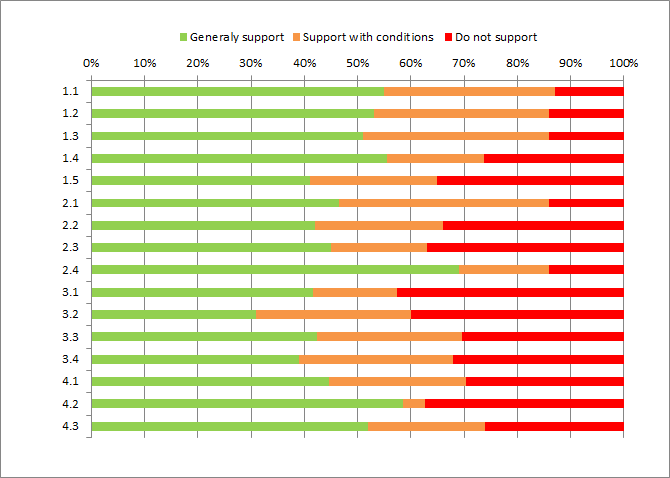
This report both provided a tonne of information on those consultations and studies, and also outlines some proposed policy and programs to provide meaningful and useful incentives. The discussion around the Council table was engaging and really productive (and I highly encourage those interested to watch the Video and see how consensus-building works when you have a collaborative team that often disagrees on points of policy, but want to achieve a common goal). Through the discussion, we reviewed a suite of 16 potential incentives, some we have asked staff to draft into a Bylaw immediately, others we have asked them to do more work to develop, a few we asked them to introduce City-wide, and some we agreed to not pursue.

As the Bylaws that support these incentive programs will be going to a Public Hearing, I don’t want to dive too deep into their relative merits or weaknesses (perhaps we can save that discussion until after the Public Hearing), but I do want to outline what were the principles I took into the discussion and tried to rely on to inform my decisions:

• These incentives are meant to make it easier and more attractive for people to invest in an preserve homes that are of high heritage value in what is a unique neighbourhood in that I has the highest concentration of pre-WW2 homes of any similarly-sized neighbourhood in BC.
• These incentives should encourage heritage conservation while also supporting other City policies, such as tree protection and providing more housing diversity.
• These incentives should not unfairly burden homeowners in other neighbourhoods by asking those residents of Queensborough or Sapperton to pay extraordinary costs to support the housing costs of Queens Park residents.

An important part of the discussion was the results of the public consultation. As there were 16 different incentive areas explored, the public opinion varied:

In the end, the incentives we move forward with will be going through an implementation period, and we will have more chance to talk about them at that time.


And that was all for our relatively short mid-day meeting, apologies for not reporting out sooner.

Council – May 7, 2018

Our Council meeting on May 7 was long and a little chaotic. It included several announcements and proclamations, and large numbers of people coming to Public Delegations. Because we were aware some people were delegating on agenda items, the schedule was mixed up a bit so Council could hear from them before we made any decisions (I will blog about these delegations in a future blog; they are topics we will be talking about more in the upcoming weeks and months). This means the order of things that happened over the 5+ hours is not really reflected in the agenda you might read online, and I honestly don’t want to sit through a 5-hour video recording to make sure my blog is in order of occurrence, especially as I am editing this up almost a week after the event because I was helping run a conference in Whistler all week… all this to say the following may not be in the order of occurrence, but I think it covers all of the decisions we made.

This Council Meeting included an Opportunity to be Heard:

Amendment to Construction Noise Bylaw No. 6063, 1992 (Amendment Bylaw 8013, 2018)
We talked about this a bit during First and second reading at the last meeting, but the City is updating its construction noise Bylaw to reduce some allowable weekend work hours and bring our construction schedule more in line with what other Cities do. It is a crazy construction time right now, with the regional economy booming and many housing projects of every shape coming on line. Residents are definitely feeling (hearing) this, and hopefully this will provide a little relief. That said, the change is modest, and it is really hard for us to create too many limits of construction noise within business hours.

We had one letter from a concerned developer, but no-one came to delegate during the Opportunity to be Heard, and the Bylaw Amendment was given third reading by Council.


Fire Escape Stairs at 642 Columbia Street Public Art Integration
A few months ago, we tasked our staff and the Public Art Advisory Committee with exploring ideas to make the fire escape on the Front Street a more appealing part of the Front Street Mews, and approved some budget from our Public Art Reserve Fund to pay for it.

There where 42 (!) proposals received from the Public Art community across Canada and the world. A panel made up of arts professionals and the local community shortlisted this to 4, who provided more detailed proposals, from which the PAAC recommended a piece from a team in Victoria called “Floralume”.

The goal here is to take something that was necessary as part of the Parkade removal and re-imagining of Front Street into a public space, and turn it into a place-making opportunity. I think this interactive multimedia sculpture has the potential to do this – and actually become a regional showpiece that will draw more people to Front Street. It also came in a little under budget, which is a bonus.


The following items were Moved on Consent:

Uptown New Westminster BIA Renewal Bylaw No. 8019, 2018
This is an update on the Bylaw that empowers the Uptown BIA to operate. This also updates the tax rates and overall plan to better support the BIA’s new Strategic Plan. The Uptown BIA does a lot of great stuff, from supporting the Winter Farmers Market to installing branded bikes racks to the Uptown Live music festival. It is great to have such a positive partner in the business community in the City.

Recruitment 2018: Amateur Sports Grant Program Appointment
Recruitment 2018: Parks & Recreation Committee Appointment and
Recruitment 2018: Restorative Justice Committee Appointment
We needed to replace a few members of these volunteer community committees, and did so!

813 – 823 Carnarvon Street: Housing Agreement Bylaw for three readings
This is the housing agreement that will secure 66 below-market rental units in the smaller of the two towers at the PALS development on Carnarvon. There are a couple of levels of non-market housing that will be operated in this building to support seniors with limited incomes (with an emphasis on those from the performing arts community). 39% of the units will be “housing income limit” where rent is based on the occupant’s income so not to exceed what is considered affordable, and the other 61% of the units will be below market, but based on markets cost, at what is called “CMHC Level 1 Affordability”. Council moved to approve the Housing Agreement.

514 Carnarvon Street (Holy Trinity): Official Community Plan Amendment Section 475 and 476 – Consultation Report
This is a report on the ongoing consultation with the community on this unusual development project, which would see a largish but narrow tower built adjacent to the Anglican Cathedral on Carnarvon. This project has seen quite a bit of adjustment and re-imagining as it has gone along. The proponent (the Anglican congregation) wants to see some combination of market, secured rental and non-market (affordable) rental, but mostly want to rasie some money for the restoration of their historic cathedral.

The consultation is ongoing here, and this report is more of an update than anything else.

New Westminster Transit Priorities
As a regional centre in the center of the region, New Westminster has a role to play in regional governance, and making the use of transit as reliable, accessible, comfortable and convenient as possible in our city is fundamental to the success of our Master Transportation Plan, our Official Community Plan, and regional plans for growth and transportation sustainability.

New Westminster is already a region-leader in transit use: our residents use transit more than any other community excepting maybe the City of Vancouver itself. But we can do more, and this document outlines what the City recognizes as priorities to make transit work better for more people in New Westminster. The idea here is to provide clear policy guidance when we are working with our transit partners (TransLink, the Ministry of Transportation, and our neighbouring communities). We have identified areas where we need improvement – such as the overall dismal service to rapidly-growing family-friendly neighbourhoods in Queensborough, and bus speed and reliability issues that impact our most important routes.

This is a planning document, but also an advocacy document, and part of the great foundational work being done by our Transportation department that may not be flashy or avail us of a ribbon cutting, but will provide tangible benefits to the community in the long run.

2018 Q to Q Pilot Ferry Service
The big news of the meeting is confirmation that the Q to Q ferry is back in 2018, with an improved service based on feedback from last year. The pilot service being offered this summer will have longer hours and be more accessible, and will have the same fare structure, but more option for how to pay (including a monthly pass). I will write more about this in a future blog, but I am really proud of the hard work our staff put into this, and am excited about the service. I expect May 19th will be crazy!

Recruitment 2018: Electric Utility Commissioner Reappointment
The City’s Electrical Utility is not actually run by City Council, but by a Utility Commission. We have a representative on that Commission, we set their budget, we approve their Strategic Plan, and we appoint Commissioners, but the day-to-day running of the utility is up to this commission. We just re-appointed one of the excellent Commissioners.

323 E. Sixth Avenue: Development Variance Permit to Vary the Off-Street Parking Requirement – Consideration of Opportunity to be Heard
This residential property in Upper Sapperton is located on a steep slope on a cul-de-sac wants to vary zoning by continuing to have front access to parking after renovation. There will be an Opportunity to be Heard on this on May 28th. C’mon out and tell us what you think.

330 Johnston Street: Development Variance Permit to Vary the Minimum Frontage – Consideration of Opportunity to be Heard
This is one of those long properties in Queensborough where subdividing to a typical width for the neighbourhood means it will be more than 4x as long as it is wide, which requires a variance. There will be an Opportunity to be Heard on this on May 28th. C’mon out and tell us what you think.


The following items were Removed from Consent for discussion:

New Westminster Public Art Plan
The PAAC and staff have been working on a Public Art Plan to provide clearer policy guidance when considering and approving new Public Art. I raised a few inconsistencies in the plan as presented, and hoped that more clarity could be provided within the Themes presented. After a bit of discussion, Council agreed to send the plan back to the PAAC and staff for a little more work prior to approval. More to come here.

Naming of a New Street in Queensborough
This report proposes that we name a new road in Queensborough “Roma” (-Street or -Road) in honour of the important role the Roma Hall played in the history of the Q’Boro community.

I have recently had occasion to learn more about the history of the Roma Hall, thanks to Emma Canil, as she spoke about the important role it played in her extended family’s immigrant experience in New Westminster. This is a landmark built by a community who came to Canada from across the sea to escape economic depression and geopolitical strife, in order to support their community and honour their heritage while contributing to Canada’s mosaic. So I approve of the name, in honour of the organization and community it represents.

This, however, raised a question for me that I asked staff to follow up on. I am not sure where we are in the progress towards updating our street naming policy. That we have not adopted a policy that puts our history of colonization in context or addresses the underrepresentation of women in place names in our City. I think the process that got us towards this name included many proposed names which would not represent that spirit. I hope we can move forward on those fronts before too many more of these applications come to us.

Queen’s Park Heritage Conservation Area: Special Limited Category Study Progress Update
There are 80 properties in the Queens Park HRA that have “Special Limited” protection, somewhere between fully protected and not protected at all. The plan has always been to eventually migrate all of these properties to either protected or not based on assessment of the heritage merit and zoning entitlements. Of those, we are providing an opportunity for some of them to do a bulk sign-up for extra protection so they can avail themselves of the incentive programs being introduced by the City to encourage heritage restoration and protection. This report gives an update on that evaluation process and efforts by staff to reach out to homeowners to let them know this is happening.

Interim Fees and Securities Provisions for Small Market Strata renovations
One of the principles of how Cities collect revenue is that “fees” are not “taxes”. The latter we can use for any purpose, the former are meant to only exist as a cost-recovery for services the city offers. In that sense, building inspection fees should be on a cost-recovery basis, not subsidized by taxes or other revenues. This proposal balances the desire to maintain that standard, but find a way to reduce the cost for renovations of small market strata renovations, and many of these smaller multi-unit buildings are seeing increased need for extensive envelope or structural repairs, but are challenged by the cost of these repairs as there are fewer homeowners to share the load.

Again, I love that our staff are identifying initiatives to support more affordable housing all across the spectrum, this (relatively affordable market strata in older buildings) is just one piece of the puzzle, but an important piece, as they all are.

I have an ongoing issue with how we manage security deposits for these small-unit buildings and homeowners. Often these works require the City collect security to assure legally required works are done, and those security requirements can sum up to tens of thousands of dollars that the City holds, and returns at the end of the project after final inspection. I think that having to provide tens of thousands of dollars of security to the City – essentially tying up a bunch of money at a time when a homeowner is feeling significantly stressed about costs – seems a real deterrent to people doing renovations and building improvements, and I’ll include the deposits in the Tree Bylaw with this.

I have asked Staff to review if there is a better way to provide security to the City. Perhaps (and I am spit-balling here ,as there are probably regulatory issues I am not aware of) through a legal agreement where the owner is required to pay the City if the security conditions are not met, and if they, after the fact refuse to pay, we can collect through our taxation process? Council approved the motion here ,ans asked for Staff to report back on security options.


We also addressed some specific correspondence:

District of Houston letter dated March 29, 2018 regarding a Human Trafficking Task Force and
Cathy Peters email to District of Houston dated February 26, 2018 regarding Child sex trafficking in BC Municipalities and how to stop it:
We moved to receive this correspondence, but I asked that we no move to take the recommended actions in the correspondence, that is to make specific policy requests to senior governments.

Cathy Peters is a strong and vocal advocate for the protection of children, and I support the protection of youth from exploitation and some measures Mrs. Peters is suggesting to better protect youth in our community, but do not agree that all the measures she is calling for will achieve these goals.

The “Protection of Communities and Exploited Persons Act” is one of those Harper-era Orwelian-named pieces of legislation that instead of acting to protect people who may be exploited, further stigmatizes and criminalizes them, and does little to increase the protection of vulnerable people in our community. Organizations such as the Pivot Legal Society have argued this legislation is unconstitutional. So I cannot agree to us advocating for its implementation.

We then, late at night, got into a slightly modified Bylaws shuffle:

REGARDING Zoning Amendment Bylaw (1050 Boyd Street and 1005 Ewen Avenue) No. 7700, 2014;
REGARDING Zoning Amendment Bylaw No. 7917, 2017;
REGARDING Zoning Amendment Bylaw No. 7920, 2017; and
REGARDING Zoning Amendment Bylaw No. 7944, 2017
Our staff were doing some diligence as part of the updates of our zoning bylaws, and discovered a discrepancy in how we consulted with MOTI (which we are required to do when a rezoning happens within some prescribed distance with a freeway entrance). So we are rescinding these adoptions, and will re-adopt once MOTI checks the box they need to check. There is no shift in land use happening here, but this type of detail may matter to someone at some point down the road, so we are stepping back to make sure we do it right.

Housing Agreement (813 – 823 Carnarvon Street) Bylaw No. 8001, 2018
As discussed above, this Bylaw that secures housing in a proposed development on Carnarvon Street as below-market rental was given three readings by Council.

Heritage Revitalization Agreement (318 Fifth Street) Bylaw No. 7977, 2018 and
Heritage Designation (318 Fifth Street) Bylaw No. 7978, 2018
As discussed at the Public Hearing on April 30, these Bylaws that permit a laneway house in Queens Park in exchange for restoration and protection of a heritage house was adopted by Council.

Heritage Revitalization Agreement (312 Fifth Street) Bylaw No. 7979, 2018 and
Heritage Designation (312 Fifth Street) Bylaw No. 7980, 2018
As discussed at the Public Hearing on April 30, these Bylaws that permit another laneway house in Queens Park in exchange for restoration and protection of a heritage house was adopted by Council.

Heritage Revitalization Agreement (224 Sixth Avenue) Bylaw No. 7989, 2018 and
Heritage Designation (224 Sixth Avenue) Bylaw No. 7990, 2018
As discussed at the Public Hearing on April 30, these Bylaws that permit the subdivision of a lot in Queens Park and the building of a second house in exchange for restoration and protection of a heritage house was adopted by Council.

Heritage Revitalization Agreement (520 Carnarvon Street) Bylaw No. 8004, 2018 and
Heritage Designation (520 Carnarvon Street) Bylaw No. 8005, 2018
As discussed at the Public Hearing on April 30, these Bylaws that permit an extensive renovation and land use changes for the permanent protection of a heritage house in the Downtown was adopted by Council.

2018 Tax Rates Bylaw No. 8014, 2018
As discussed last meeting, this Bylaw that sets our property tax rates for 2018 was adopted by Council.

Downtown BIA (Primary Area) 2018 Tax Rates Bylaw No. 8015, 2018;
Downtown BIA (Secondary Area) 2018 Tax Rates Bylaw No. 8016, 2018; and
Uptown BIA 2018 Tax Rates Bylaw No. 8017, 2018
As discussed last meeting, this Bylaw that sets the rates of the parcel taxes we collect on behalf of our three BIAs was adopted by Council.


And that, at something like 11:30 at night on a day where I was at City hall at 9:00am for a Task Force meeting, was tiredly that.

Public Hearing – April 30, 2018

It was a lengthy Council Meeting on Monday, with 16 Public Hearings covering 10 projects (because many projects include more than one Bylaw, there needs to be a separate hearing for each one). If you are interested in the rest of what happened on Council this week, follow this link. If you want to see what happened in the Public Hearings, watch the video here (and don;t miss the deliberations Council had on the Public Hearing topics in the following Regular Meeting video). As an aside, this public hearing and some of the conversations around it have me thinking I need to write a “Public Hearing 101” blog post to explain some of the process to people for whom this is their first interaction with Council. But for now, this post is just my summary of the 10 projects that came to Council on April 30.


Back-of-the envelope stats of what we approved:
9 Projects;
225 Strata units;
72 Secured rental units;
4 Laneway/Carriage homes;
5 Protected heritage homes;
597 Off-street parking spots.


318 Fifth StreetHeritage Revitalization Agreement Bylaw No. 7977, 2018 and
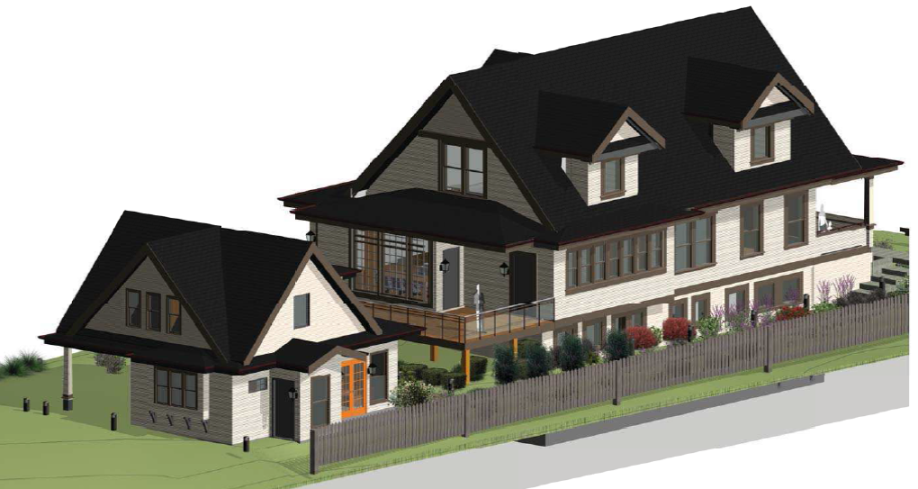
Heritage Designation Bylaw No. 7978, 2018
This project would see a large heritage home Queens Park designated as a Heritage Property with a Heritage Restoration Plan in exchange for allowing a largish family-size laneway house on the property. As the house is already in pretty good shape and well preserved, there was some debate about the heritage benefit and timeline for completing some of the works considered as part of the long-term restoration.

To me, the project is great example of preserving heritage in our City, while still allowing our housing stock to evolve and create more flexible types of homes in Queens Park, increasing the viability and vitality of the neighbourhood. It is also an appropriate place for a larger laneway house, as it backs a commercial parking to and will intrude over adjacent houses (and really the laneway house is not much larger than the existing 3-car garage it replaces).

We got hung up a bit on timing for the window replacement of the main house. They are vinyl windows in good condition, and are not reflective of the heritage of the house, so heritage advocates wanted to see them replaced sooner rather than later. The counter argument is that they are mimicking an appropriate window style, and replacing them now is both wasteful, and an undesirable intrusion into the now-functional envelope of the house. The compromise found through the public consultation and work between stakeholders was to have the work done within 10 years.

I agreed that we should ask the Homeowner to commit to replacement of the windows on a timeframe appropriate for the long term viability of the house – be that end of life or sooner – with appropriate wood-frame windows, and secure that commitment in the Heritage plan

There was one written submission on this project, and we had 5 people delegate to council, including the proponent. 3 spoke in favour, 2 expressed concerns related to the windows issue above. Council voted unanimously to give this project Third Reading.


312 Fifth StreetHeritage Revitalization Agreement Bylaw No. 7979, 2018 and
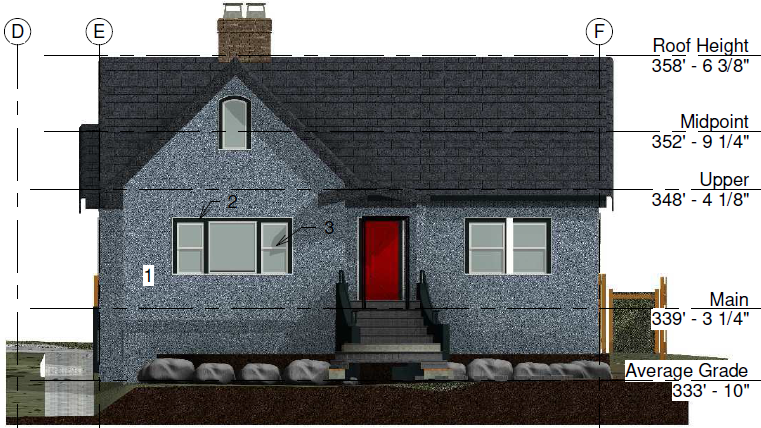
Heritage Designation Bylaw No. 7980, 2018
Very similar to the previous project, this property right next door will see a similar laneway house built in exchange for a somewhat more extensive heritage conservation of the main house, including moving the home forward on the site. We had no correspondence on this project, and the only delegate on the topic was the Queens Park RA speaking in favour. Council voted unanimously to give the project third reading.


224 Sixth Avenue Heritage Revitalization Agreement Bylaw No. 7989, 2018 and
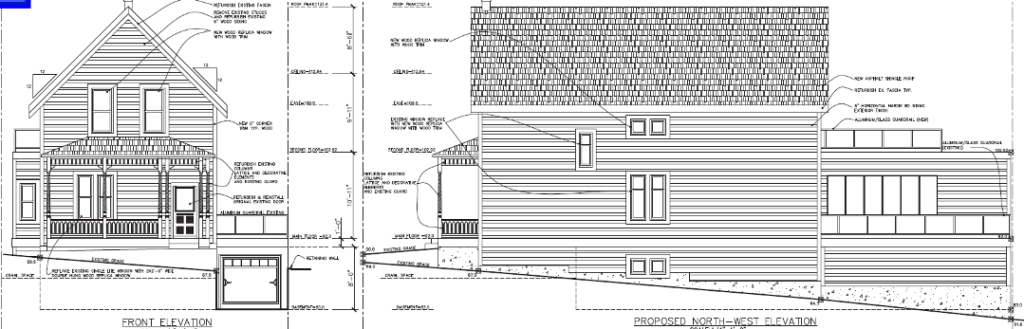
Heritage Designation Bylaw No. 7990, 2018
This project will see the preservation of a relatively modest heritage home in Queens Park that is on a larger lot in exchange for subdivision of the lot and the building of a second house that meets the Queens Park guidelines for heritage conservation. Again, and example of infill in a Heritage Conservation Area that increases housing choice and respects the heritage character of the neighbourhood.

There was a delegate who raised an issue with part of this application that is kind of secondary to the actual application, which is the dedication of a Statutory Right of Way at the back of the property as part of the City’s long-term transportation and development goals. This issue was actually discussed at a previous meeting, and Council received a report from staff on it a couple of weeks ago.

We received some correspondence on this project (including the petition entered by the delegate), and had two delegates at the Public Hearing – the Queens Park RA spoke in favour, and the delegate who raised the SRW concern. Council voted 6-1 in favour of giving these Bylaws Third Reading.


520 Carnarvon StreetHeritage Revitalization Agreement Bylaw No. 8004, 2018 and
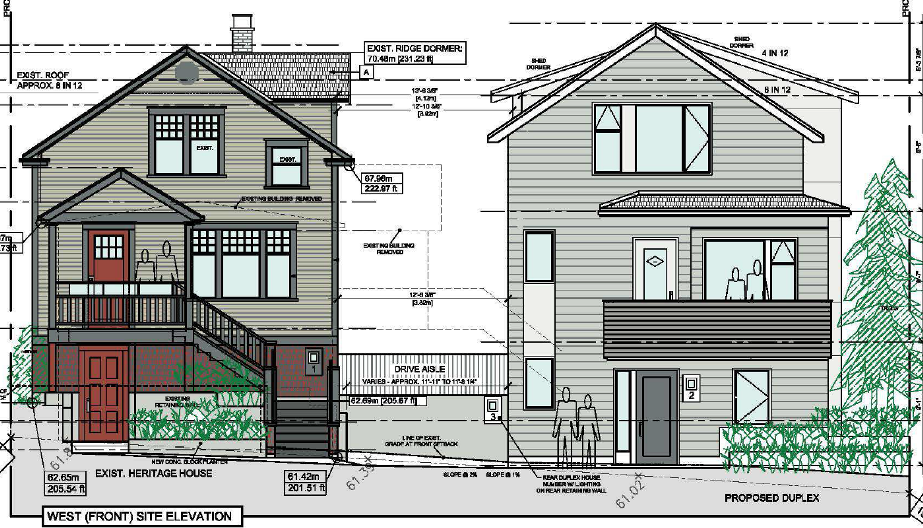
Heritage Designation Bylaw No. 8005, 2018
This is an application for extensive renovation and addition of a suite to the last single family house on 500 block of Carnarvon Street, in exchange for designation of the house and permanent protection. We received no correspondence on this application, but did receive a few delegations at the Public Hearing, all in favour. Council voted unanimously in favour of giving this project Third Reading.


306 Gilley StreetHeritage Revitalization Agreement Bylaw No. 8007, 2018 and
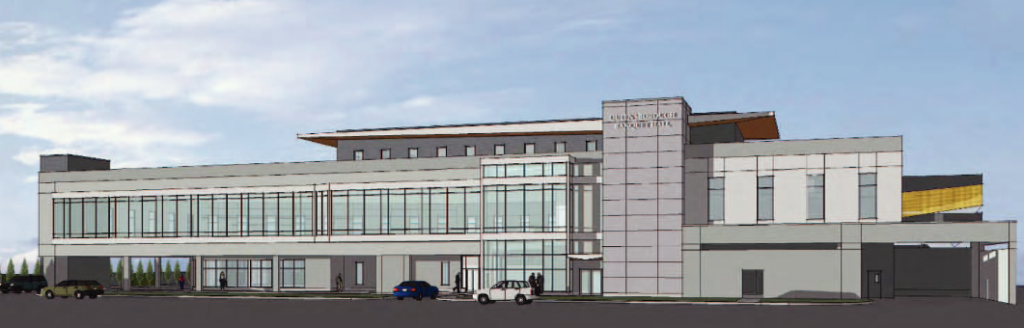
Heritage Designation Bylaw No. 8008, 2018
This is a slightly more aggressive Heritage Conservation and infill density project in Brow of the Hill. Again, a relatively small heritage house on a larger lot will be restored and protected, and a new “infill duplex” will be built on the same lot. This will provide two new smallish, but family-friendly three-bedroom units, that when all added together still fits under the 35% site coverage requirements of the zoning. This is an interesting approach on a lot that only has a small-street (call it a lane if you want, but it has a name) frontage, in a neighbourhood with a huge variety of housing already. The APC, Design Panel, and Community Heritage Commission approve of the project, and the RA had no opposition.

We received two pieces of correspondence on this project, and had a few delegations at the hearing. The proponents spoke in favour, but a couple of neighbours raised issues around the parking on the site, the loss of trees, and fire separation. The project will allow three parking spots and a fourth “flex-parking” spot, though the neighbour doubted the sites are large enough. There is a loss of trees, but they will be replaced on a 2-for-1 basis as per our Tree Bylaw. The fire separations meet the code, and are similar to those of some nearby houses that fill a larger portion of their lot.

Council voted unanimously to give the project Third Reading.


1084 and 1130 Tanaka Court and a portion of the existing road right of way Zoning Amendment Bylaw No. 8011, 2018This project would see a banquet hall built on a vacant lot near the Casino in Queensborough. We received no correspondence on this project, and no-one came to speak to it. Nothing controversial here, and it will be good to see a piece of commercial property developed. Council voted unanimously to support the Third Reading.


118 Royal Avenue Zoning Amendment Bylaw No. 7954, 2018
This project would see a 4 fee-simple row homes built on a single family lot in the Downtown immediately next door to Qayqayt Middle School. This is a valuable housing form that fills a gap in the city, but I had several concerns with the design of this project as it developed. We spent a lot of time at the Public Hearing talking about the bike route issue, but there was also, on my mind, a design issue with the building that made me reluctant to support it.

There were a few compromises in the development of this site, including a lost potential to assemble the adjacent single-family houses in a areas where the land use plan indicates low-rise apartment as a preferred land form. The choice to build rowhomes (as opposed to strata townhouses) is supportable, but in the case of this project, that required that each property face Royal Ave, and the project could not be designed to face west, where each house would have a view of the park, and the park/playground area would be provided “eyes on the street” and be addressed by the front of a building, not by the side of a development. Overall, I think the design fails for the spot provided it.

The bike route issue was the second point of opposition, and this goes a bit to how the City receives dedications for transportation or other uses during development (discussed at length as part of the 224 Sixth Ave project, above). In this case, a narrow dedication was taken to improve the quality of the sidewalk along Royal Avenue, with the intention that eventually (through further development of adjacent properties), the separate pedestrian/cyclist route adjacent to the Royal Avenue will be extended to meet Windsor Street a few hundred feet to the east, and connect to the greenway network south of Royal (Agnes Street and Pattullo Bridge replacement). As was explained by the HUB member delegating at the Public Hearing, this routing is not great for vulnerable road users, and they have been advocating for many years that a lower-grade connection between Agnes and Royal is best located around the periphery of the playing field. This would be easiest to achieve through dedication of a strip along the west portion of the property (in addition to or instead of the north portion). At the least, they were hoping that we could assure that the development is built in such a way that we don’t preclude the eventual routing of a pedestrian/cycling route around the periphery of the park.

In the end, Council voted 4-2 (Mayor Cote recused himself for conflict) to reject this proposal, sending the developer back to the drawing board.


41 – 175 Duncan StreetOfficial Community Plan Amendment Bylaw No. 7982, 2018 and
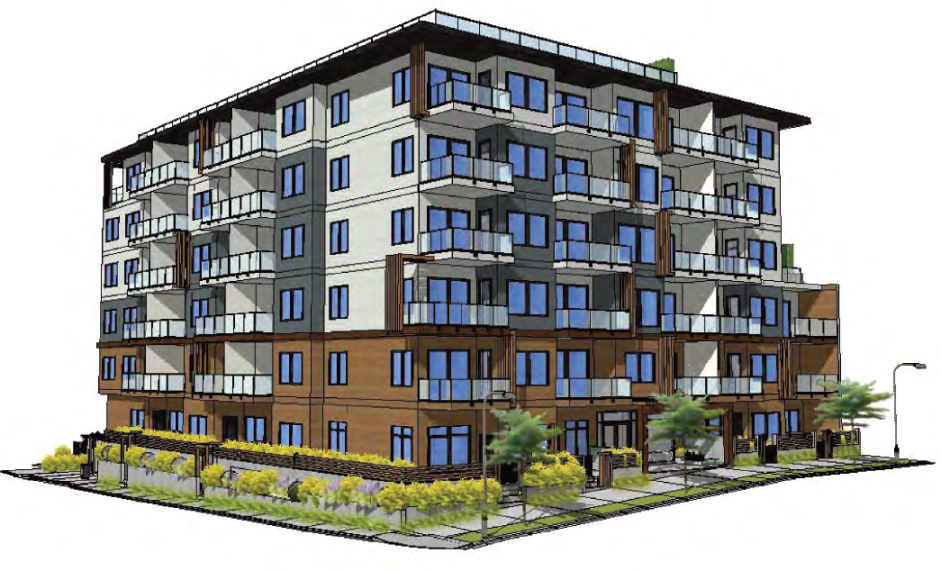
Zoning Amendment Bylaw No. 7983, 2018
This project would see a largish piece of formerly-industrial but now vacant waterfront land in Queensborough converted to a 170-unit townhouse development, and will include enhancement and expansion of the waterfront trail network in Queensborough and the building of a much-needed child care facility on site.

This project was originally zoned for 48 Townhomes and 425 apartment units, so this rezoning represents a significant shift towards more family-friendly and ground oriented development, congruent with the pattern of development in Queensborough. There was quite a bit of engineering and design work to make the project work better adjacent to industrial property to the west and the infrequently-used but not-going-anywhere rail line to the south. Most importantly on that second item, the development design is consistent with the most recent FCM Railway Proximity guidelines to reduce conflict between rail use and adjacent land use.

We did receive some correspondence on this development, for and against (mostly citing the rail conflict concerns). The Residents’ Association support the project, as did th eDesign Panel and Advisory Planning Commission. We had no-one come to speak at the Public Hearing.

Council voted 6-1 in favour of supporting this project.


228 – 232 Sixth Street Zoning Amendment Bylaw No. 7996, 2018
This project in the Brow of the Hill will replace the now-decrepit converted single family houses that were home to an iconic Italian restaurant on Sixth Street with a 6-story multi-family development. This project has taken quite a bit of time to get through, and included at least one pretty significant re-design to address some proximity and privacy issues with the relatively new highrise to the north of it and the older three-story walkup to the west of it.

We receive quite a bit of correspondence on this project, some in favour (especially from nearby business owners) who would like to see the street revitalized), but the majority from the two adjacent buildings that were opposed for several reasons outlined in the Public Hearing.

One significant aspect of the opposition was parking. This building will have 53 residential units and is located on the Frequent Transit Network less than a kilometre from two SkyTrain stations, in an extremely walkable part of the community. As the zoning is currently written, and before any incentives are added, this would require 74 parking spaces (1.4 per unit). The proponent wants to provide 66 parking spaces (1.2 per unit). I only repeat these numbers because I got them slightly wrong during deliberations, and want to correct the record – my rapidly misreading of the 653-page council report in front of me at the time. A delegate was very concerned about where the 8 (or was it 16?) extra cars would go. I respectfully suggest we are actually building too much parking for this development, and there will not be 8 cars circling the block looking for parking.

Car ownership in New Westminster is going down. The stats we used to put together the 2014 Master Transportation Plan (and they were older stats by then) has 1.2 registered automobiles per household in the City. The downtown area near SkyTrain was closer to 0.7 cars per household. It doesn’t take too much interpretation of the trends to assume people buying apartments in the most walkable parts of the City will have car ownership levels equal to or lower than the city-wide average.

A second concern raised was the fate of the trees on the property line to the west. The property owners to the west have not yet agreed to a plan for these shared property assets. This is an issue the developer will need to address before the Bylaws that support this project are adopted, and in full compliance with the City’s Tree Protection Bylaw.

Finally, there was quite a bit of concern about proximity to adjacent buildings, and how the setbacks from the property line will impact current residents of those buildings. The proposal by far exceeds the setback required by the Zoning on the west side, and has been designed to step back with height to further allow light. The ground floor/garage entrance/patios are built to the lot line, but the adjacent property here has a semi-underground garage at that elevation, so that proximity should not impact the quality of life of the current residents.

The building to the north is built to the lot line with a flat wall, built in anticipation of development of this property with a pedestal and set-back, so proximity is not an issue here, however the design above 30 feet (i.e. on top of the pedestal) has the suites closer to the lot line that permitted in the zoning, and that is where the variance is required here to make the building fit. Clearly, the building to the north was designed and built anticipating this, and the tower on that building was set further north on the pedestal to provide more space for this. As a result, the distance between the tower and suites in the new buildings will be 13.5m (44 feet) and the closest approach (existing balcony to new soffits) 10.7m (35 feet). See this diagram:

Overall, this is a positive development that fills a gap in the Brow neighbourhood and provides a good variety of housing types. Council voted 6-1 in favour of supporting the project.
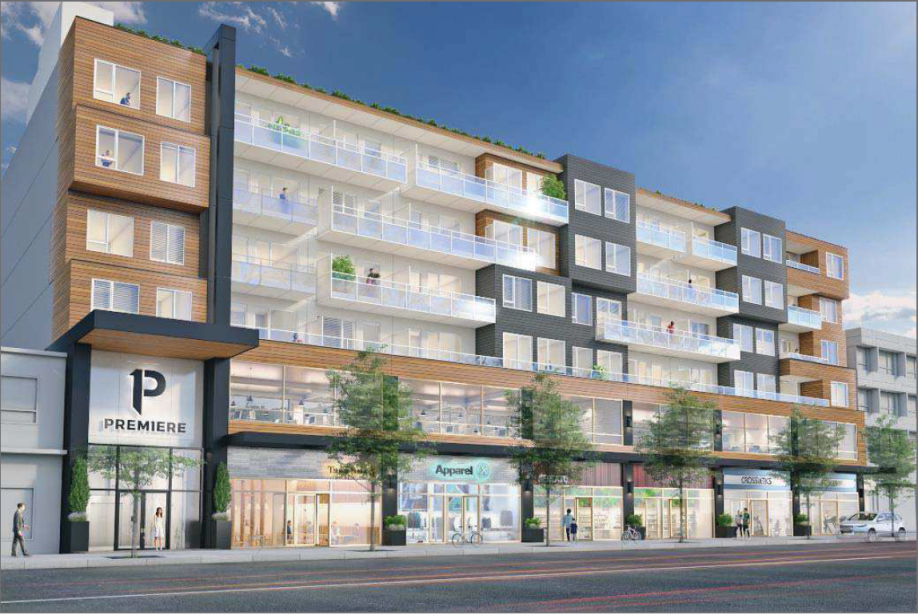

406 – 412 East Columbia Street Zoning Amendment Bylaw No. 7995, 2018
Finally, this project in Sapperton brought the most correspondence and many delegates to speak to its merits. It will see a six-story building built on a vacant lot in the commercial strip of East Columbia. The ground floor will have retail, the second floor professional offices (one might anticipate health-care-related given the location) and then 4 floors of secured market rental residential units.

I think the developer (working with staff) got the mix right here for the neighbourhood. The 72 rental units come in a variety of sizes, and the commercial-office spaces meet the long-term goals of the RCH area. If I have one criticism of the project, it is that 144 parking spaces seems a ridiculous amount for a building that is 400m from a Skytrain station in one of the most walkable parts of the City. However, the future office needs are difficult to anticipate, and with fully half of that parking intended to serve the commercial/office part of the building, I expect it may relive some of the street parking pressure felt in adjacent residential neighbourhoods.

As I said, the vast majority of written correspondence and public delegation on this project was in favour, and Council voted unanimously to support it (Councillor Williams recused herself due to potential conflict).

Council – April 30, 2018

Most last-Council-meetings-of-the-month are Public Hearings, where Bylaws that require a Public Hearing as per the Local Government Act are opened for Public Comment. We had 16 Public Hearings on 10 projects, and that part of the meeting went on for almost 4 hours (you can see the videos here) . However, I am going to blog here first about the rest of the business we did at Council (as most of the Crowd had left by then), and blog about the Public Hearings in a follow-up post.

After we finished the Third Readings of the Bylaws discussed at Public Hearing, we got onto the rest of the Agenda, which started with moving the following items On Consent:

2018 Tax Rates Bylaw No. 8014, 2018
As we are reaching the end of our annual budget program, the next step is to pass a Bylaw that supports the tax levels we approved in our earlier discussions about operational and capital budgets. The amount of revenue we will collect from property tax will go up 2.95%, and we are adding on a 1% Capital Levy to better support our Capital Plan, most notably the Canada Games Pool project. Though the average tax increase is a total of 3.95% over last year, your result may vary.

Downtown BIA Parcel Tax Bylaws and
Uptown New Westminster Business Improvement Area Parcel Tax Bylaw No. 8017, 2018
These are the Bylaws that allow the City to collect a parcel tax from the members of our City’s three BIAs (one Uptown, two Downtown). Remember, all of this money is collected by the City from the businesses in the BIA areas, and then returned directly to the BIAs so they can run their business area improvement programs, as their own elected boards figure is the wisest way.

Recruitment 2018: Economic Development Advisory Committee Appointment
Staff changes in a company that has participated in our Economic Development Advisory Committee has resulted in them asking us to shift their representative to the Committee, which we did.

Recruitment 2018: Environment Advisory Committee (EnAC) Appointment
A representative of the local business community has been appointed to the Environment Advisory Committee.

Recruitment 2018: Emergency Advisory Committee (EAC) Appointment
A representative of St Johns Ambulance has been appointed to the Emergency Advisory Committee.

Appointment of the City Clerk
The City is replacing our City Clerk – the person who sits at the Mayor’s right hand during Council Meetings, and whose job it is (among other things) to make sure everything we do is legal by the language of the Law and close enough to Roberts Rules. This is one of the few staff positions that has a regulatory role, defined in the Community Charter, so a Council Resolution is required to put the new Clerk in office.

Appointment of the Chief Election Officer and Deputy Chief Election Officer for the 2018 General Local Election
The City is also required to appoint a Chief Election Officer for the upcoming Municipal Election. Under the Local Government Act, these are staff positions that are required to be defined by Council Resolution. This resolution does that. Election on!

Front Street Metro Vancouver Sewer Upgrade: Request for Construction Noise Bylaw Exemption
The disruptive sewer work on Front street is the gift that never stops giving. Some underground sewer works on operating sewers need to be done in the middle of the night when sewer loads are lowest, because when you dealing with liquid shit, you want to deal with as little as possible. So the city is providing a Noise Bylaw exemption the works that have to happen at night can happen at night.


The following items were Removed from Consent for discussion:

Innovation Week 2018 Review and 2019 Request
Innovation week has been a very successful business development initiative in the City, and an important part of our Intelligent City strategy. It has put the City on the regional map when it comes to bringing new industries together and in touch with public and private support networks. It also is a forum for sharing ideas that will push our community forward. But it isn’t free, and there were some identified areas for improvement for next year.

This report outlines a plan for 2019 Innovation Week, and provides a preliminary budget. Council had a bit of a discussion about the budget, but in the end agreed (in a split vote) to approve a modest increase in the budget, but we did request some more info about what parts of the budget can be covered by existing staff in similar staff roles (ie. where we can find efficiencies with internal staff).

I do want to call attention to Councillor Puchmayr’s point during our deliberations. At the CivX conference in Vancouver this year, there were elected officials and staff from several Cities around BC who were jealous of the cooperative model we have in New West – where Council supports staff and community leaders to work together to develop innovative approaches in our own operations, and to reach out to innovative businesses to grow in the City. This is a great program, recognized outside of New West, and an important part of our Economic Development Plan and our ongoing pursuit of a better-run City.

2018 Spring Freshet and Snow Pack Level
This is an update report on how the snowpack and weather forecast impacts our flood and water restriction planning.

There is a lot of snowpack in the interior this year, and a lot arrived late. It is well above average in the Columbia/Okanagan watershed (where there is a pretty high risk of flooding right now), but we also have higher than average snowpack in much of the Fraser River drainage basin. Higher snowpack doesn’t necessarily mean flood, but it does increase the risk of flood, and the risk of larger floods. A lot now depends on how the weather shifts and how quickly that snowpack melts. A cycle like we had last week (Really hot for several days followed by protracted rain) is the kind of thing that causes flooding, as it heats the snow up to melting point then provides a quick boost of water to flush it out. We are not panicking yet in the lower Fraser, but are paying close attention, ready to react if the risk goes up.

The snowpack in our watersheds is also above average, and we should hope for some cool spring weather to slow the melt, so we won’t have to deal with Stage 2 or Stage 3 restrictions this year.


After these Agenda Items were managed, we wrapped a long night with our regular reading of Bylaws:

2018 Tax Rates Bylaw No. 8014, 2018
As discussed above, the Bylaw that codifies our tax rates for 2018 was given three readings.

Downtown New Westminster Business Improvement Area (Primary Area) Parcel Tax Bylaw No. 8015, 2018 and
Downtown New Westminster Business Improvement Area (Secondary Area) Parcel Tax Bylaw No. 8016, 2018 and
Uptown New Westminster Business Improvement Area Parcel Tax Bylaw No.8017, 2018
As discussed above, these Bylaws that empower us to collect taxes from BIA area businesses in order to fund the operations of the three City BIAs were all given three readings.

Development Services Fees and Rates Amendment Bylaw No. 8009, 2018
As given third reading on April 9th, this Bylaw that sets the rates for Queens Park homeowners to take part in the “special Limited Category” group property assessment program was adopted. It is now the Law of the Land.

Bylaw Notice Enforcement Housekeeping Amendment Bylaw No. 8012, 2018
As given third reading on April 9th, this Bylaw that adjusts our Bylaw Notice Enforcement Bylaw to comply with changes in the local and regional Water Restrictions was adopted. Just in time, too, as 2018 Watering Restrictions started today!

And that was all the business of the day. Again, I’ll get into the Public Hearing discussions in a follow-up Bog Post, when I get time to write it!

Council – April 16, 2018

We didn’t have full Council meeting on this week, but instead dealt with a few things in an Afternoon Workshop format. We didn’t make any big decisions, but it is worth reporting out on what took place, as there were a few interesting topics discussed.

Stewardson Way Pedestrian/Bike Overpass
We received a presentation from the Ministry of Transportation on their plans to build a pedestrian overpass over Stewardson Way, as reported here. Several years back, the Ministry re-aligned the north entrance to the Queensborough Bridge to improve flow and once and for all solve traffic problems on 20th Street. At the time, this resulted in a shifting of the BC Parkway routing from the south side of Grimston Park to new pedestrian infrastructure at the bridgehead, the best part of the kilometer to the west. Seemingly ever since, people in the West End have wished for a return of the pedestrian connection at this location. The Ministry and TransLink are partnering to build it.

I raised a couple of concerns here, more in the category of things-we-need-to-do-now. The overpass will not actually connect to anything on the north side of the road. The all-but-abandoned section of the BC Parkway below Grimston Park merges into Mead Street, which dead-ends when it gets to 20th Street, and there is no other connection to any road or pathway in the West end, unless one wants to walk or ride their bike across a sloped grass field. So we need to figure out how to improve those connections. Also, there is still a user-friendliness “gap” on the Parkway down the hill on Stewardson between 5th Ave and 14th Street, like I talked about here. We will expect a report back from Staff on status of these gaps.

The bigger issue I have raised in the past about speeding on Stewardson and reclaiming the safety of our road space for active road users? Meh, no-one other than me seems interested in talking about that now. Goods Movement is still a bigger priority than livability of our neighbourhoods for pretty much everyone involved in transportation in BC. It is frustrating. But hey, free overpass.

Metro Vancouver Sewer Connection Project – Front St. between Columbia St. and Begbie St
Speaking of frustrating. We also received a presentation from Metro Vancouver engineering folks on a sewer line replacement project that is going to disrupt downtown traffic yet again, with a protracted closure of Front Street just west of Kelly O’Bryans. This is going to mean more truck traffic pushed to Royal Ave (the official alternate truck route), and more likely than not, a bunch of trucks illegally using Columbia, claiming no alternative.

The works are absolutely necessary to address sewer capacity needs for the entire northeast (Coquitlam, PoCo and Pt. Moody), and are the cost of living in a growing City with aging infrastructure. It sucks, but Metro is going to do its best to reduce the local impacts.

Queen’s Park Heritage Conservation Area Incentive Program: Economic Analysis Findings
As part of our ongoing implementation of the Queens Park Heritage Conservation Area, the City asked an external consultant to provide some economic analysis on some proposed incentive programs.

The City has already talked quite a bit about potential incentives to make the HCA more attractive, encourage conservation of heritage assets, and offset some actual or perceived costs related to the HCA. There has been quite a bit of stakeholder and public consultation around these incentives, but we also want better data about the actual financial value of different incentive programs. This report provided some of that background data, and creates some estimates of what, for example the value of allowing stratification of a laneway house or providing an extra 0.1FSR to a housing’s zoning entitlement may mean.

Because the value of any of these incentives is related to the assessed value of the land, there is also some analysis here of potential impacts on assessments that may result from different restrictions included in the HCA. If one thing is clear, it is that we simply cannot predict what those impacts will be in the medium timeframe, and it is too early to determine what the impacts on land values are in the short term.

There is, however, some interesting analysis of trends over the last few years in residential land values in Queens Park and comparison neighbourhoods in New West, which make for some interesting graphs:

And they throw in some Vancouver neighbourhoods for comparison (probably because First Shaughnessy is the highest-profile Heritage Conservation Area in BC when it was introduced in 2015. Until Queens Park, of course)

Request for Supplementary Information – 224 Sixth Avenue Heritage Revitalization Agreement (Statutory Right-of-Way for Potential Future Laneway)
This was a report we received for information, and it is a follow-up on questions raised by a resident last week as part of a Heritage Revitalization Agreement / Subdivision that will be going to Public Hearing on April 30.

Among the many long-term planning policies the City has is the principle that all residential properties should be serviced by a lane. This is because lanes make it easier to provide utility services, improve the streetscape, reduce the need for front driveways that impact traffic and the pedestrian realm in neighbourhoods, etc. Clearly, not all houses have lanes now, and there is no active program to build more lanes, but as a planning principle, the City want to move towards securing land for lane rights-of-way as development happens.

This property in Queens Park is one where there is no lane, and where the front of the house faces a collector road where we would prefer to not have driveways in the long term. As the City wants a Statutory Right of Way for a laneway here, the request for a Subdivision is the optimum time for the City to secure that SRW. Who knows, in a hundred years, we my put a lane there, but in the meantime, we have the SRW. One less thing to worry about for a future Council and future neighbourhood plans.