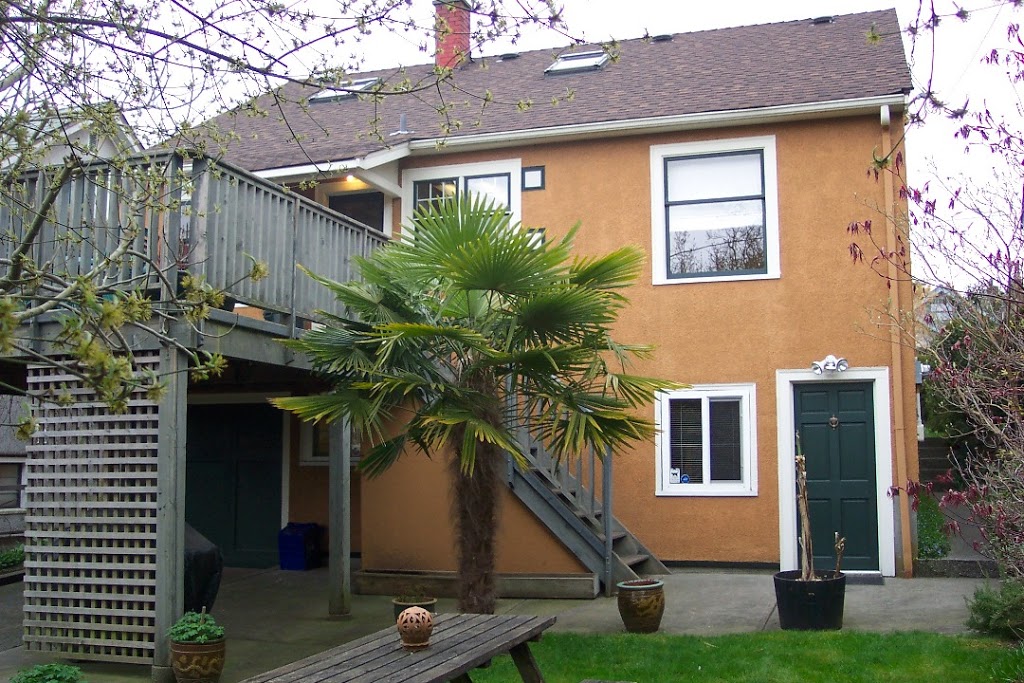
Once we had settled on replacing windows, the journey really began. The house is ca.1940, and all of the main floor windows are wood frame, single-hung, single-pane. All of the counterweight strings are broken, so we had been using strategically shaped blocks of wood to prop them open. Before we arrived on the scene, renovations were done in the house in two stages, with wood-frame single-hung double pane wood windows being used in the converted attic, and double-pane sliding vinyl windows being used in the basement.
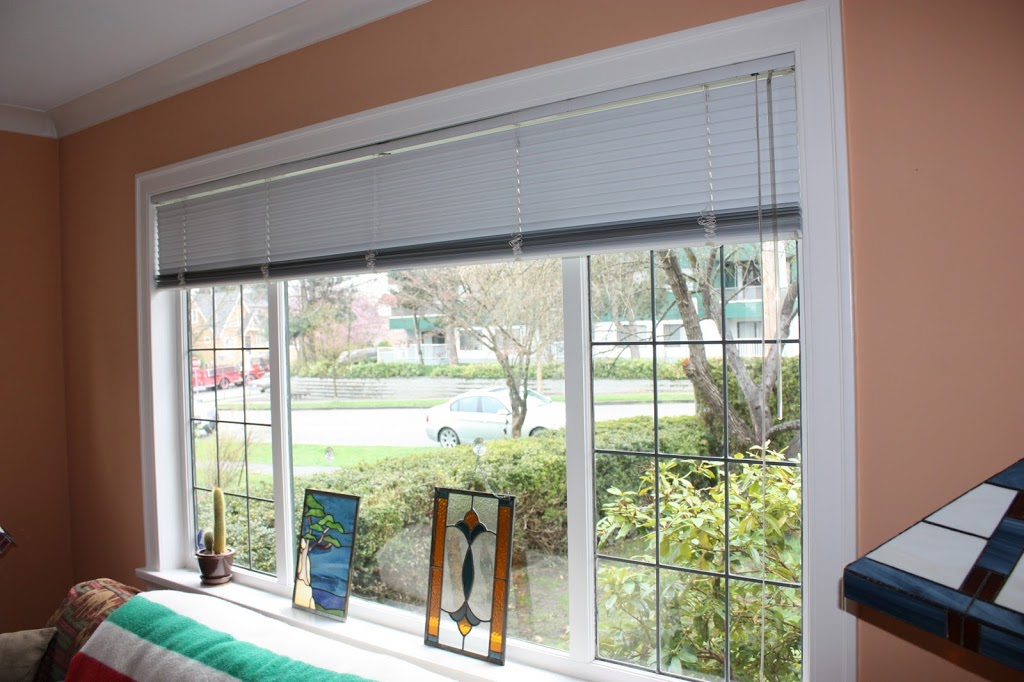 |
| Front Picture window, with original leading. |
?????
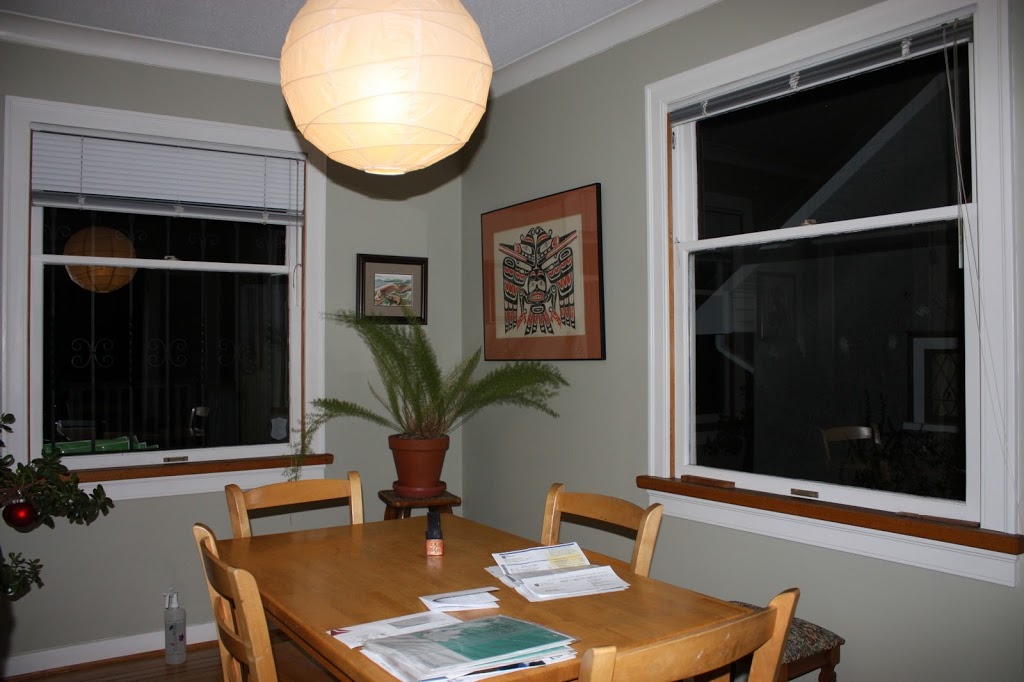 |
| Original single-hung single-pane wood windows. |
??
??????????????
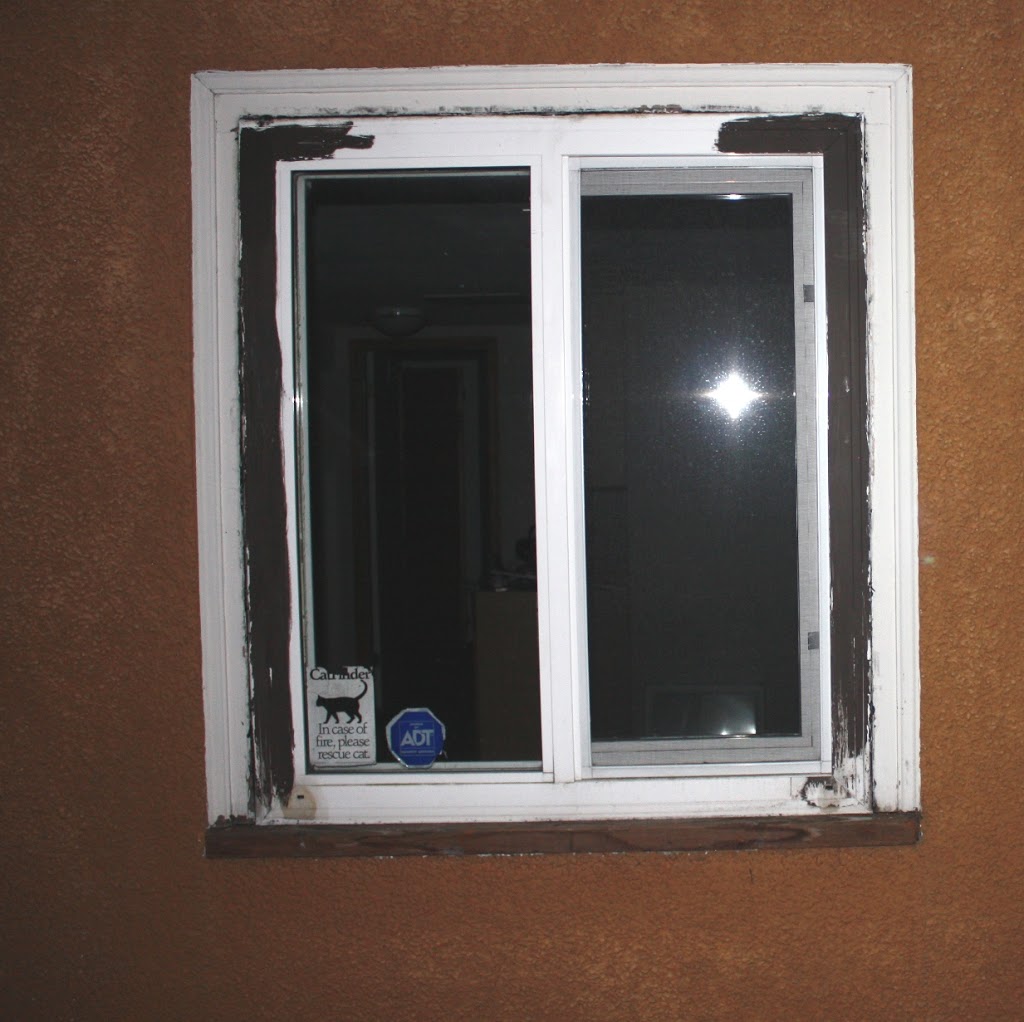 |
| Terrible, terrible basement vinyl window install. |
??
The attic windows were probably OK, we might have gotten along with a bit of maintenance, but at this point we were 17 windows in, another two more wouldn’t increase the marginal cost that much, and for the sake of consistency, we decided to replace them all.?????
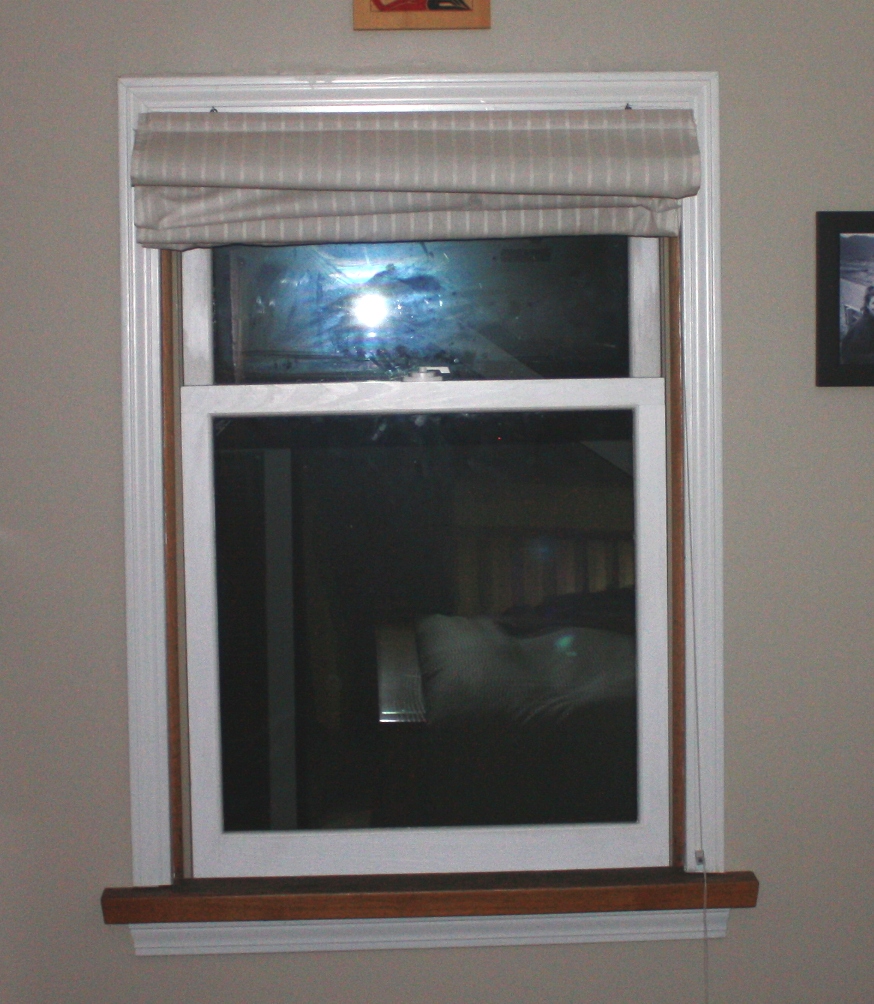 |
| Double-pane wood replacements, used in 1980’s (?) attic renovation |
?
The first question that needs to be answered is what type of frame material to use. The basic options are aluminum, vinyl, wood, fibreglass, or some sort of hybrid. The list of advantages and disadvantages is huge.
Aluminum was off the table pretty early. They have certain structural and maintenance advantages and provide the biggest window-to-sash ratio, which is why they are so popular with high-rises, rental and commercial properties. However, they are remarkably inefficient. Aluminum frames work like the aluminum fins on your old Briggs and Stratton lawnmower engine: they are excellent heat exchangers, sucking heat out of your house and warming the air outside. They are moderate in cost (falling between the cheapest vinyl windows and the most expensive wood frames), but did not match the style of the house, and were inefficient: so the decision was easy.
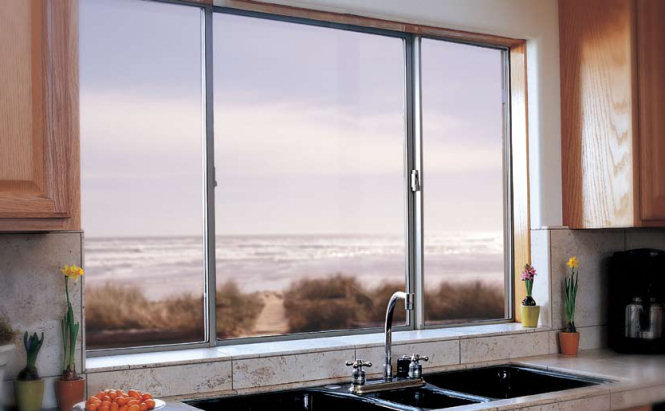 |
| Aluminum windows, lots of glass, but no efficiency. |
Vinyl is probably the most popular material for replacement windows, and the Yellow Pages (remember them?) are full of companies that will plop a vinyl insert into your existing window frames, with creative names from AAA Windows to ZYZ Windows. Vinyl has several advantages: it can be made thermally quite efficient by building frames with lots of void spaces, they can be made in various colours and can be painted, and they can be very inexpensive. Some of the problems are the generally low window-to-sash ratio, which seems to get worse with increased efficiency (as those insulating void spaces have to come from somewhere), and a general “plastic” look, which only gets worse with attempts to hide it (ornate finishes, printed or wood veneers, etc.). There is also a large apparent variation in quality of construction, and the amount of concern the companies put into the install in the house.
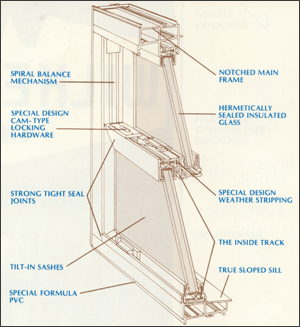 |
| Vinyl windows, efficiency comes at the expense of window area. |
Wood windows have significant advantages. They generally look good, and since that is what the house already has, they are the quickest match to the style of the house. They are also the most thermally-efficient frame material. They fit somewhere between Aluminum and Vinyl in the window-to-sash ratio. The disadvantages are cost (more than Aluminum or the most expensive Vinyl), and maintenance issues. Wood is wood, and needs to be protected from the elements, and that means some level of ongoing maintenance would be required. Some of this can be offset but using a clad-wood window, where the wood frame has a thin aluminum cladding on the outside. This is by far the most expensive option.
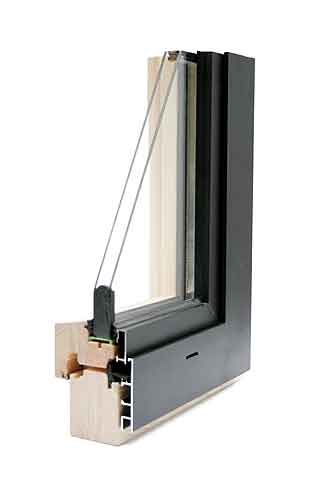 |
| Aluminum-clad wood windows, the best of both worlds, the highest of all costs. |
Fiberglass windows can be made almost as thermally efficient as wood, and very strong in a structural sense. They can be powder-coated which makes them durable and low maintenance. Unfortunately, fibreglass options are limited (they seem to be more popular in places with continental climates the suffer temperature extremes), and are expensive. They also come in limited styles and sizes, as the manufacturing process is not as flexible as vinyl or wood. Aesthetically, they resemble Vinyl more than they probably should.
The efficiency issues were a little easier. The advantages of triple glazing (increased thermal efficiency and noise abatement) did not make sense in our coastal climate, or in our relatively quiet Brow-of-the-Hill neighbourhood. Low-E glass (where a coating is applied to one of the frames which limits the transmission of infrared (keeping heat in during the winter and out during the summer) is great, but needs to be balanced around reflectivity and brightness issues. Everything I read says Argon helps, even if I remain somewhat sceptical about the science of those claims (with my basic chemistry-physics education, which is usually deeply flawed) .
Then there is Energy-Star rating. Energy-Star windows are certified to meet some level of efficiency. Since we had an “energy audit” in the dying days of the LiveSmart BC program, we would receive $70 per window if we bought Energy Star rated windows, a not-unsubstantial $1,300 total for our house.
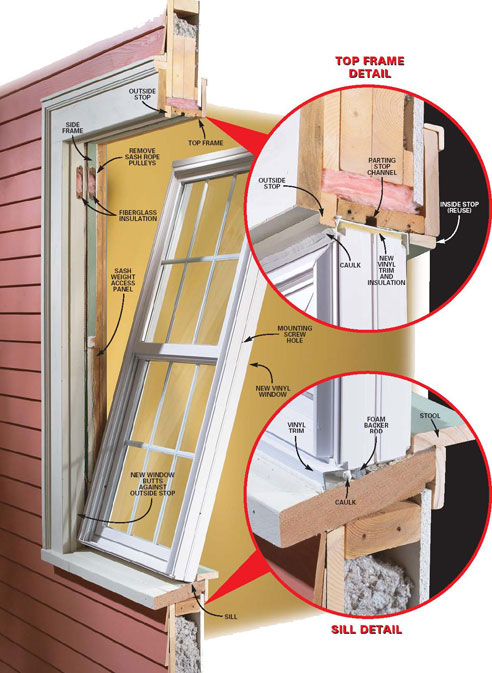 |
| Replacement window insert, in this case Vinyl going into an existing wood frame. |
The decisions were difficult. No matter which way we go, this was going to be the most expensive purchase we have made in our lives (outside of the mortgage!), easily as much as a new car (it is worth noting we drive a Honda Civic we bought used for less than I paid for my last bicycle.) And the “getting informed” part of the process exposed us to too much contradictory data, too many contradictory claims, too much advice from people who would have us spend a fortune for each incremental increase in efficiency, and from people who advise us to buy the cheapest we can because “they are all the same…how long are you going to own that house anyway?” (we can debate at length the sustainability ideas of that train of thought). And we experienced lots of sssssales men (and women), with different styles, different approaches, although the results always seemed the same, that was to make us less certain of the purchase, not more certain.
For people like us who find no joy in shopping at the best of times, it was not fun.