The Wal-Mart enigma.

I work for a City, and I serve on some civic committees and volunteer for a few not-for-profits, so I go to a lot of meetings.

Yes, some of those meetings can be crushingly dull, but most are interesting and informative and productive (otherwise, I don’t stick with the organization too long – I bore easily). Occasionally, there are great moments that could not be repeated in any other setting.

An example happened a few days ago, and I will spare the who-what-where details to protect the innocent. There was a consultant talking on some arcane (but pertinent to the meeting) operation of the free market to a (in her perception) less-informed member of the committee. Everything below is paraphrased from my memory:

Consultant: “Let me give you an example- you shop at Wal-Mart, right?”

Citizen: “No. I don’t”

Consultant (after brief pause to re-group, addresses crowd of ~20): “How many people here shop at Wal-Mart?”

Crowd:      [crickets]
       [snickers]        
       [one hand goes up]

Consultant (long pregnant pause): “Ok, people shop at Wal-Mart, right, and…”

It was funny because the consultant clearly didn’t know the crowd.

This was a group of hyper-engaged citizens, most of them (like the person who said “No, I don’t”) were taking time out of their busy day to take part in a public consultation for no reward, just to take a small role in making the City a better place. Some actually had to book time off work and (in my case) re-schedule some deferred time off to take part. We were not there because we were paid, or even for the free cookies. We were there because we give a shit about our community.

Now I recognize that many people shop at Wal-Mart, and this is not about judging them. The majority of the population may, I really don’t care to know the statistics. But in that room full of people who value their community enough that they invest their “free” time and their income into making it a better place? Wal-Mart is for the most part not part of that equation. Frankly, we would rather pay a few pennies more for (or buy a few fewer) socks or bags of nails or lawn furniture knowing that the marginal difference is more likely to be re-invested in our local community, through better wages, local sourcing, or non-predatory pricing policies.

Of course, if she said “Costco”, she might have got a different result. I don’t shop there, but it seems that Costco unfairly avoids the local-retail-crushing non-sustainable-consumption community-killing reputation that Wal-Mart carries. And apparently Target will also avoid that fate, based on the conversations I have heard in reference to potential Uptown tenants. I wonder why that is.

Even a dull meeting can bring moments of insight, and new questions to ask.

Off to the Races

Today the writ has dropped. We are off to the races.

This event has much less meaning than it used to. Back when elections could be called on any day convenient to the Majority, this represented the true start of a civilised and tolerable 28-day election period.

We no longer live in those more-civilized times.

Our elections are now drawn-out American-style affairs where everyone can see them coming years in advance and every decision made by government is based on their fixed timing. This campaign has been the longest in BC history, really starting 25 months ago when Christy Clark won the leadership of the BC Liberals, or maybe 2½ months later when she won her By-election. Hard to pick a specific start date, but we have been bombarded with campaigning and advertising for more than a year. The lawn signs and campaign finance disclosures starting tomorrow are really just a new phase.

“Now this is not the end. It is not even the beginning of the end. But it is, perhaps, the end of the beginning”.
              – Premier Clark

The worst part is that we have had to endure a year of a government who is campaigning instead of governing, and the next damn government is going to do the same thing. The fact the Liberals have spend the last 6 months asking the opposition to disclose their election platform shows that they have failed to understand the role of government vs. opposition outside of the 28-day campaign period…

…wait, I’m going off on a rant here, and that was not the point of this post.

The point of this post is to talk about how elections impact community. New Westminster is in many ways a small town, and this is even more apparent at election time. Our concerns are often local, the same familiar voices pop up – you will likely see Dave Brett helping at the Queen’s Park All-Candidate event, and me helping out at the NWEP one, and people will flood to Tenth to the Fraser to get the best local on-line coverage. We know Bill Zander will have something to say at a Public Meeting, and Ted Eddy will write a letter to the Paper before this is done. Often, the same issues come to the surface, and we know where many people stand on those issues, and we know the grudges people have. Grudges are easy to hold, hard to move past.

However, 29 days from now, we are all going to have to keep living here in the same small community, the “winners” and the “losers” together. How we conduct ourselves in the next 28 days is going to frame how we work together to keep building this community that we all care enough about to go through this.

Going into this election, we have a great field of local candidates. I have had the opportunity over the last few months to have lengthy sit-down conversations with three of the four declared candidates. I feel confident that any of them would represent New Westminster well in Victoria. They are all approachable, honest, and good listeners. Their ideas vary somewhat, but I get the sense they all have the best interests of New Westminster and BC in mind, and that they want to serve this community for the right reasons. A “bad” result for New Westminster on May 14th is pretty unlikely. It doesn’t have to be divisive – elections can be about bringing people together.

The only “bad” result will be if we spend the next 4 weeks talking about what divides us (“Socialists” vs. “Free Enterprise”), instead of talking about what we all aspire towards, and how our plans to get there differ. The political system, representative democracy itself, is just a tool that allows us to set collective priorities and pool our resources towards achieving popular goals. We know we disagree on the pathway (that’s why we have elections) but we all share the same goal – a safe, prosperous, livable community.

The politics itself should never be the goal. If it is, you are doing it wrong. Argument for argument sake is part of the reason people become cynical about the process.

I know who is getting my vote this time. As someone at a recent political event (and self-confessed “Angry Young Tweeter”) reminded me, no-one is 100% sure until they write on the ballot; so with that in mind I will declare myself 95% certain. I plan to attend events and hear all of the candidates speak, and I hope I can have meaningful dialogues with each candidate to see where our ideas merge or diverge. I am even helping organize an All-Candidates event, one that will hopefully attract a diverse crowd to meet the Candidates. But I don’t think I am going to “declare” who I am voting for right now. I might blog about it before the end of it all, but for now, we’ll hold onto the secret ballot. That said, my regular readers probably know who I am supporting, and you might see a bag sign in my front yard before its all over (if Ms.NWimby will let me).

More important, I want to keep the lines of conversation to all candidates open. For good reason: In a “small town” like New Westminster, politics can be personal, but campaigning shouldn’t be. Political disagreement for me has always represented the start of the discussion, not the end.

Just look at James Crosty. We spar quite a bit on twitter, call each other names and ridicule the hell out of each other’s opinions or ideas. He is usually wrong, of course, but so am I. Neither of us have very good grammar. Yet we always seem to laugh at ourselves as much as at each other, and none of this disagreement has prevented us from shaking hands, sharing a conversation or a beer. I consider James a friend, and even when I disagree with him, I perceive that his only interest is in making his community a better place. We have the same goal, we just see different pathways towards it, and that is what makes our conversations fun. I learn from James, and I hope he learns from me, even if only by cautionary example!

In contrast, I was at an event recently where one of the campaign workers (not, I hasten to add, the Candidate) asked me if I would sign the Candidate’s nominations papers. I said “sure”, and she confirmed I was an eligible voter and lived in New Westminster (-all good-) or if I had signed anyone else’s papers (-uh oh…). You see, a few weeks previous, I had signed the nomination papers for another candidate running locally. The campaign worker’s reaction was like I had spit in her face: a mix of incredulity and disgust. I tried to explain that the person whose forms I signed was good person, running for the right reasons, honest, etc. etc. The campaign worker left in a huff and sent me dagger-eyes for the rest of the event.

It occurred to me afterwards that she should have immediately identified me as a “soft supporter” (I was at her candidate’s event, after all) and turned the charm on to make me feel welcome and important, and try to convince me the merits of her candidate. Instead, she made me feel like an outsider who should be treated with suspicion. Clearly, she did not feel the same about community and politics as I do. Or maybe she just cared more abut the path than the destination. I don’t think she lived in New Westminster.

So I am calling on Candidates, Pundits, Twitterers and Trolls to try to keep it above the belt, try to hold on to your sense of humour. You can take the issues seriously without taking yourself too seriously. The more voters we can get to polls from all sides, the more included people will be, and the stronger a community we build.

I hope to see many of you on May 4th for a real community-building all-candidates event.Then i hope you all vote.

Misogyny and Christy Clark

Twitter is a world of strange interactions and misplaced meanings, often a result of over-ambitious editing to hit the 140-character limit. Inevitably, meanings and feelings are sometimes misconstrued. So I let the occasional personal insult slide off my back- the price you pay for being in the fray. I get called everything from a fascist / nazi to a commie / pinko, and have been counted among the “New West undesirables”. I get called an idiot (which is not far from the truth) and a know-it-all (which underestimates my brilliance, IMHO). Often, like in that last bracketed clause, it is the result of my lame attempt at sarcastic humour.

Very occasionally (and I only remember doing this twice in 7000+ Twitter exchanges) I have to react and call the person out for launching a personal attack. Interesting that both occasions were people calling me a misogynist for suggesting Christy Clark is not very smart, and may not be fit for the job of Premier of the Province.

“Misogynist” is one of those poorly defined insults that is really hard to react to. Partly because misogyny is common in our society in various forms, but except for a few obvious examples (I’m looking at you, Vatican) it is often subtle and difficult to define. I also recognize that, like racism, misogyny can be personal or can be so culturally/institutionally entrenched in a society that it is almost invisible while being omnipresent. (Kids in the Hall skit: Cop 1 “You ever hear anything about sexism on the force?” Cop 2: “No. I haven’t heard any of the guys mention it.”)

As a bonus, a middle-class white male like me trying to defend against the charge runs the risk of sounding like that person who says “I’m not racist! I know lots of black people!” If you are looking for a better informed and surprisingly nuanced discussion of misogyny, I suggest you spend some time hanging around over on Jarrah Hodge’s Blog. She is a New Westminster- based writer and academic, and provides accessible insight for those of us who don’t commonly think about these things in our everyday lives.

That said, a working definition of misogyny is the dislike, distrust or hatred of women. This can often be expanded into the objectification of women, but I sense that objectification is a result of one of the first three- it is just one recognizable symptom of the attitude, not an attitude in itself. What is not misogyny is dislike, distrust, or hatred of any single woman (unless, of course, you have these feelings because she is a woman, but again, this is more a manifestation of the bigger attitude).

There are people in this world I dislike and distrust. When struggling to think of an example of someone I “hate”, I get stuck on Dick Cheney, but really, I don’t have a lot of time for hate in my life. There is no-one, I can confidently say, that I dislike, distrust, or hate, because of their gender or ethnicity. I try very hard to judge people on their character and ideas, even when (especially when?) I disagree with their ideas. Through trying to understand opposing viewpoints, though thoughtful debate of ideas, is how I learn about the world. Dishonesty in thought or action usually earns my distrust, intellectual laziness usually earns my dislike. Overseeing the wholesale slaughter of 200,000+ innocent people for political ideology and greed and feeling no compunction about it after, as Mr. Cheney did, earns him a little of my scarce hatred.

My dislike (not hatred) of Christy Clark is not about her gender, it is about her lack of thoughtful ideas, her failure to lead, and what appears to be a stunning lack of self-awareness. She may not be a bad person, but she is a bad Premier. In some sense, she is indistinguishable from Bill Vander Zalm – a shilling salesman of simple ideologies with no cogent ideas, nuance in thought, or understanding of complex systems.

A couple of years ago, when she was nominated, I was uncertain what it meant, because I was uncertain who Christy Clark was (relative to, for example, Kevin Falcon or Darth Coleman). I didn’t listen to her Radio Show, and was not dazzled by her leadership run. I really disliked some of the decisions made by Kevin Falcon, so I admit to having some early hope that she would come out of the gate and put her stamp on the Province and differentiate herself from the person she defeated for the Leadership of the Liberals. Maybe she would arrive with a few good ideas to set a practical course for the Province, even stem the tide of shitty news arriving from Ottawa. Alas, over time, she has repeatedly failed to fulfill that early hope.

Actually, I have the same concerns about Justin Trudeau right now. Much like Christy Clark, he is telegenic, and sure seems to speak well to a room of supporters. People who like Justin Trudeau seem to really like him. They say “he is an inspiring speaker- and makes you want to follow him”. I just can’t shake the impression, reinforced whenever I hear him discuss any substantive issue, that he is a lightweight. He has neither the intelligence of Mark Garneau nor Martha Hall Findlay. I suspect Trudeau possesses neither the gravitas to lead our nation on the world stage, nor the intelligence to effectively manage a complicated multi-billion dollar enterprise like our Government. Stephen Harper (as much as I dislike the guy) clearly has both, as does Elizabeth May (not that she will ever have the opportunity) – and it has nothing to do with their gender.

The accusation of my misogyny came after I made a joke on Twitter about the Premier’s education history. But first we need to set up the context. The Premier was making one of those inspirational speeches to the already-converted when she kind-of compared herself to Margaret Thatcher, then turned that inspiration into an apropos-of-nothing and ridiculous criticism ofthe NDP in a demonstration of contrast. I quote (you can hear it yourself by going to the April 9 Episode here and starting at 1:33:00):

[on the topic of Margaret Thatcher] “She was a woman who endured the most withering kinds of criticism any woman – anyone in politics in the last 50 years – has endured, but she never, ever wavered. She stuck to her guns every single day. She pulled that country back from the brink, I would argue, by sheer force of will. 

Everyone around the world knew what Margaret Thatcher stood for. 

Contrast that with the guys were runnin’ against in this election. My opponent was in Prince George, Thursday last week. He was speaking to the Forest Industry, and in his speech he said ‘ya know, forest industry, I think you guys are entitled to reasonable profits’. (chuckle) And I thought to myself when I heard that: ‘what does that mean exactly?’ What’s a ‘reasonable profit’? And who decides what a reasonable profit is? Is it the Government who gets to decide what profit is reasonable for you? And if the Government is deciding what’s a reasonable profit for you, how long until they are deciding what a reasonable paycheque is for you to take home to your family?”

I’ll skip whether there is an implied self-comparison to Margaret Thatcher for now, the point was how the Premier parlayed that into a woefully unintelligent attack on the “guys [she’s] runnin’ against”.

You see, in British Columbia, the forests are Crown land. They are a public resource that belongs to the citizens of BC, just like water, natural gas, and minerals in the ground. When a company makes its profit by extracting and selling a resource that belongs to the citizens of BC, it is specifically the job of Government to determine how much of the profit made from that extraction and sale goes to the Company, and how much goes into public coffers to compensate the citizens of BC for the use of that finite publicly-owned resource. If the company profit is too low, we will not have enough companies deciding to come extract resources here, and the industry (and revenues and jobs, etc.) will suffer. If the profit is too high, then the citizens of BC are not receiving adequate compensation for their finite resource, (revenues suffer without a consummate increase in jobs, future supply is unnecessarily eroded). Where to find that middle ground? “Reasonable Profit” sounds about right to me.

As for the Government deciding what a “reasonable paycheque” is- does the Premier remember that it was she who raised minimum wage in the Province. Yes, the Premier herself, representing the Government, decided what a “reasonable paycheque” is for the lowest wage earners. Don’t get me started on Net-zero mandates for civil service paycheques.

Now, the joke string on Twitter began when someone other than me suggested that perhaps the Premier had to go back to civics class to understand the role of government, or at least first year Political Science. I then suggested that maybe this was taught in third year university, because we all know she didn’t get that far.

Har dee har har. It’s 140 characters, what do you want? A Heller novel?

It may not have been that funny a joke, but it sure as hell was NOT a misogynist joke. If she was somehow prevented access to University due to her gender, you might have a case; but she apparently had no trouble getting into three Universities, two of them of the expensive European variety, she just couldn’t pass enough courses to earn a degree.

Now, I’m not saying misogyny doesn’t exist, or that Premier Clark is not the recipient of some criticism that is clearly rooted in misogyny. Just go over to Alex Tsakumis’ blog (but turn off your speakers before you go there- yes- he has auto-start music on his homepage!) and see the language he uses to describe the Premier (and worse, that in the comments strings). I don’t think he hates her because she is a woman – so in his defense the out-of-scale hatred may not be rooted in misogyny- but the language and attitude he uses to criticize her is dripping with a twisted, sexist, misogynistic attitude that turns most thinking people off (and, based on his presence in the media, turns many others on!). This is that fuzzy grey zone of entrenched misogyny that makes self-assessment so difficult- it may not be intentional, and Tsakumis may be blissfully unaware of it, being a white guy like me who never had to deal with misogyny in his own life. Like the old saw about pornography- you might not be able to strictly define misogyny, but you know it when you see it.

When I go back through all of my writings on this blog that reference the Premier (easy to do, go up to the top left corner and enter “Premier” or Clark” into the search engine), I cannot find anything that my middle-class white dude brain would characterize as misogynist. Admittedly, I may be blind to it, but I would love if someone pointed it out to me.

Just as I was not being misandrous when I called Stephen Harper a “Dick” for the way he threw Helena Guergis under the bus at the most politically opportune time (I was instead being profanely critical of a single person’s personality faults). When I call Christy Clark “Premier McSparklestm” I am poking fun at what I perceive to be a carefully cultured but cardboard persona that combines “folksy” charm with the sheen of a well-oiled used car salesperson.

That may be an affect, and effective when shuckin’ to a room of the converted, or when makin’ deals with them folks over in Asia that need our energy and bring us jobs that really, really, you know, support hardworking BC families.

But I want something other than a vicious sales job when I choose a Premier of the Province. I want to see honesty, an ability to understand and relate complex problems, not bullshit simple solutions, an understanding that the entire world actually exists in that big fat grey zone between “Socialists” and “Free Enterprise”, not in some epic battle between them.

I want someone smart. And Christy Clark isn’t that.
R.I.P. Rads

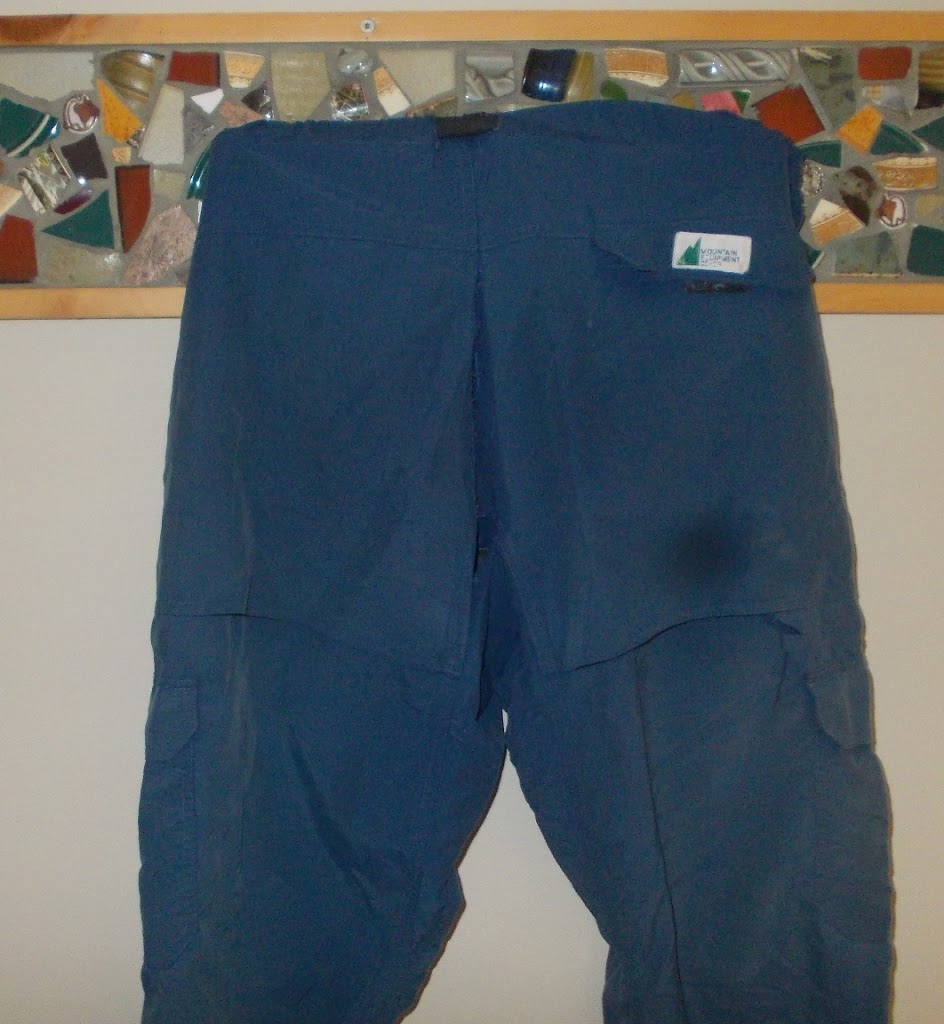
Today is a sad day. Today I will cut my last pair of Rad Pants into rags.

The die was cast a couple of weekends ago. I leaned over to check a culvert for debris, and heard a soft rrrip while my thighs suddenly felt breezy. One of the crotch seams in my last pair of Rad Pants let go. Ms. NWimby laughed out loud; I think I felt a tear on my cheek. I knew immediately that this may be the last blow for my old blue Rads. An era came to an end. There is no repairing this lost seam, the nylon is a decade old, and has been around the world. A few smaller patches and duct-taped tears were OK, manageable, if not fashionable. But this was a fatal wound.

Anyone who has known Mountain Equipment Co-op long enough that they refer to it as “the Co-op” or as “Em-E-See” (as opposed to the new generation that call it “Mek”, a sound that will always cause me to cringe) will remember the original Rad Pant. Most of you probably owned a pair, or at least can pick them out of a crowd.

Originally designed for climbing, the Rad Pant was one of those designs that came together so well that the produce created filled many niches, true multi-purpose field and travel pants. A simple pant, with tapered legs and loose around the hips. Elasticized waist with integrated waistband, elastic cuffs, slash pockets with a few accessory pockets. The material was a light nylon that found the perfect compromise between durability, breathability, and wicking. They weren’t waterproof, but they dried so quickly, they were great for hiking in mixed weather. They were also magic at keeping bugs off.

I did a couple of field seasons doing exploration geology in the Swannell Ranges – a part of north-central BC where mosquitoes, black flies, and deer flies remind you every day just where humans reside on the food chain. Cool mornings, warm afternoons, and almost daily thunderstorms make for wet muggy conditions, and when you are a geologist, you spend a lot of time up above treeline, walking ridges. Your presence scares off the marmots  the grizzlies, the elk, and so you become the only meat available for the voracious little insect bastards. Any illusions one might have about avoiding DEET for heath reasons are forgotten in a day. Your hatline, back of the neck and the back of the hands will be raw flesh without it. We even had to apply it to the shoulders of our long-sleeve shirts, as persistent mosquitoes will puncture through cotton or poly weave (and deer flies will scissor through it) where it is pulled taut. However, the light nylon used for Rad Pants had a tight enough weave that mosquitoes couldn’t puncture it. And the gathered cuff and elastic waist kept the bugs from wiggling around the nylon.

They were so damn versatile: light enough to roll up and stick in the back pocket of your cycling jersey or in the bottom of a day pack, roomy enough to slip them on over shorts. Durable enough to sit on rocks all day, repairable with duct tape if needed, and kept the wind off without being too hot for tropical use. I’m going to miss them, and haven’t found a replacement.

I don’t even remember when I bought my first pair, but I do remember they were tan brown, and it must have been before I finished my undergrad in 1997, because there are pictures of me wearing them at field schools up in the mountains of central Vancouver Island, and travelling thought the Basin and Range of Nevada after my grad. I have pictures of me wearing Rad Pants while sampling volcanic gasses on the edge of the Hale’ma’u’ma’u crater, while kayaking in the Gulf Islands for my thesis work, and while visiting mountaintop temples in Thailand.

Now, my last pair is dead, and there won’t be any more. MEC stopped making them a few years ago. Inevitably, they couldn’t let the greatest product they ever made stand. They messed with the fit, put in a non-elastic waistband, changed the cut and colours. Soon, they didn’t fit so well anymore, people complained, and sales dropped off. Then, instead of going back to the formula that worked, MEC killed the line. They just weren’t fashionable enough for the new MEC, the one people call “Mek”.

So goodbye Rad Pants. What good times we had:

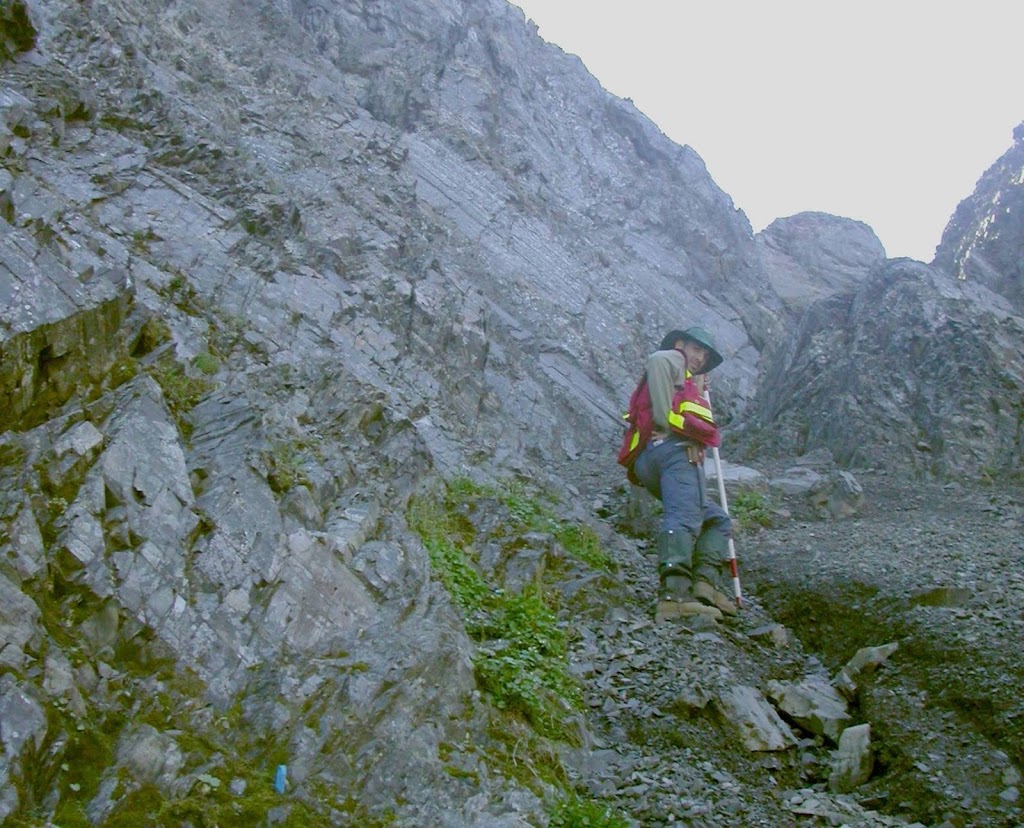
Me and my Rads, somewhere in the Osilinka Range of Central BC. 
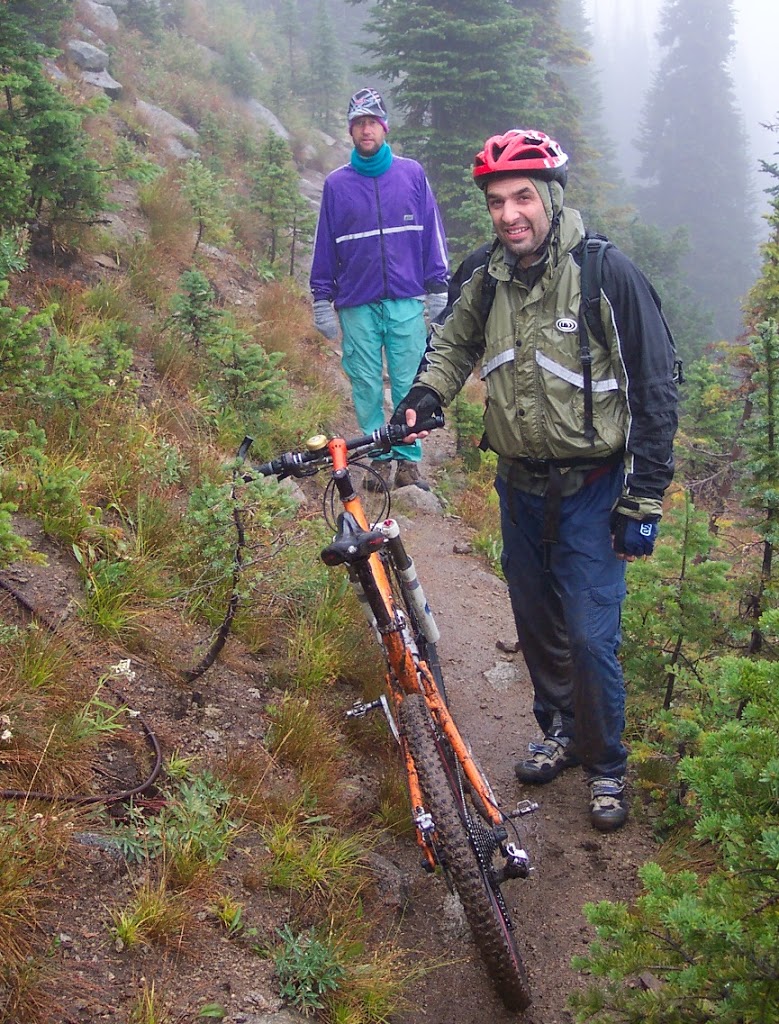
A terrible, terrible day for a mountain bike ride, when the Rads came out of the
pack early and helped stave of hypothermia on the Seven Summits Trail in
the Rossland Range. Note Aladar behind, in Rads of a different colour.
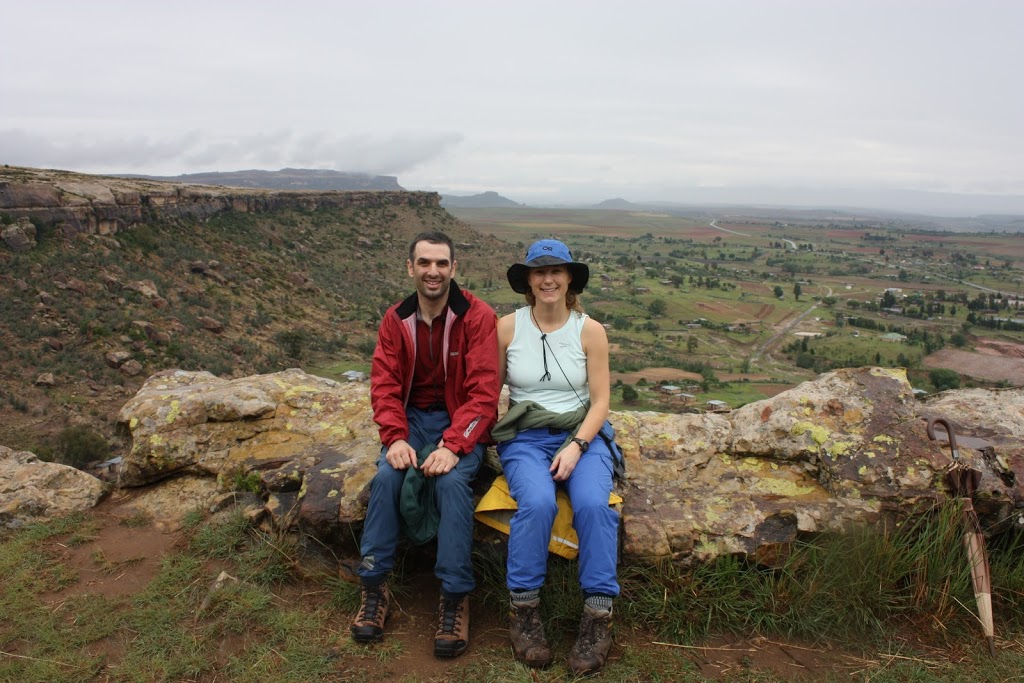
Mr. And Ms. Rads, at Thaba Bosiu, the birthplace of the Basotho nation,
and burial place of King Moeshoeshoe I. 
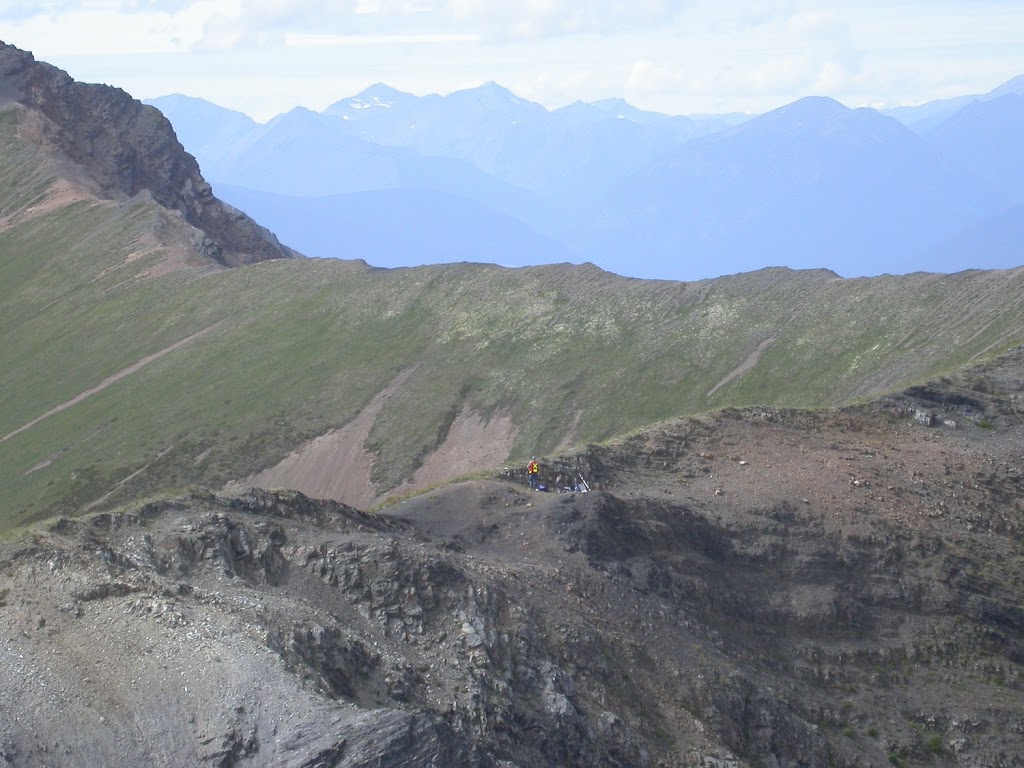
That little speck in the middle is me, with my blue Rads, measuring
sedimentary sections somewhere in the Bowser Basin in NW B.C.
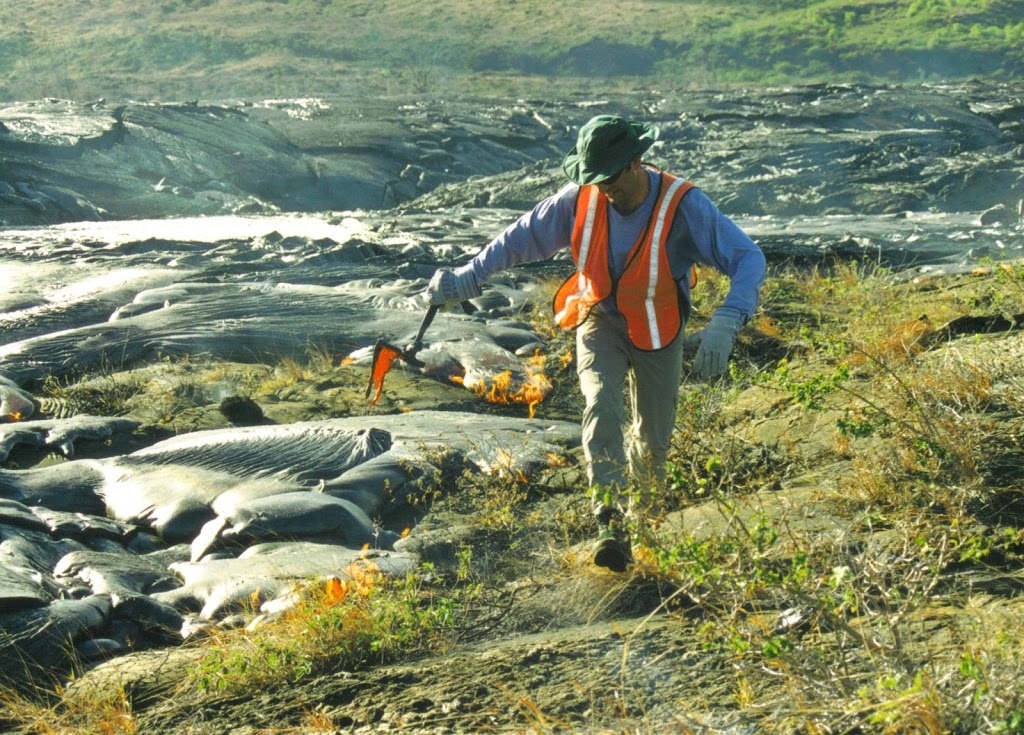
My original tan Rads, (RIP 2010) not at all fireproof, but still adaptable
to sampling liquid lava from Pu’u’O’o on Hawai’i.
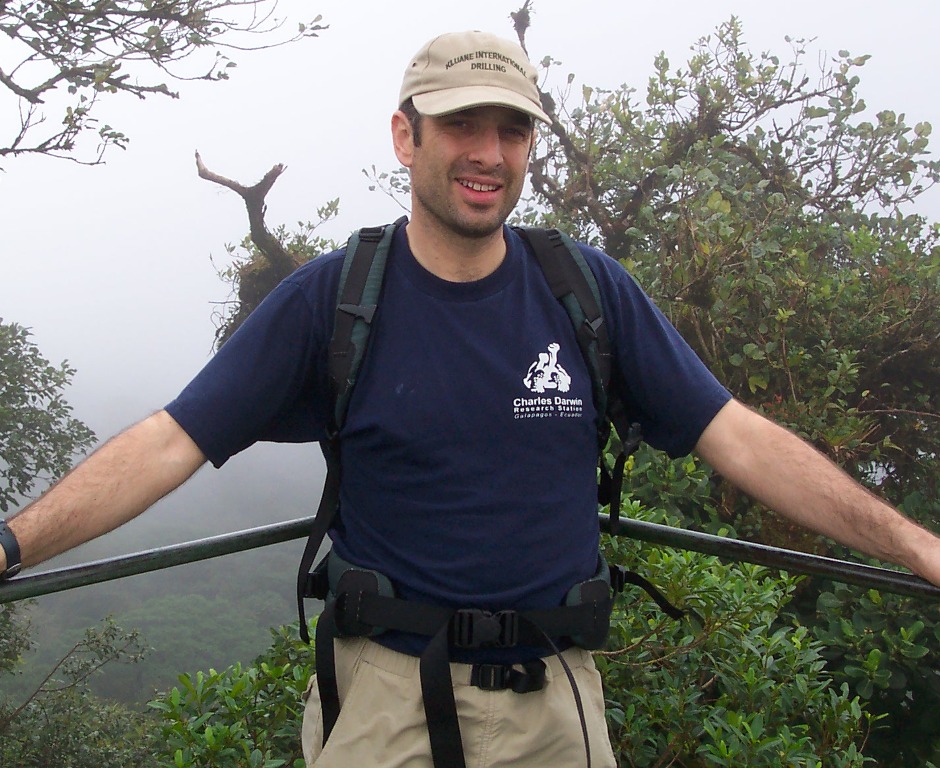
My Rads were breezy enough to keep me cool in the cloud forests of
Costa Rica, while wicking off the moisture! Thanks Guys!
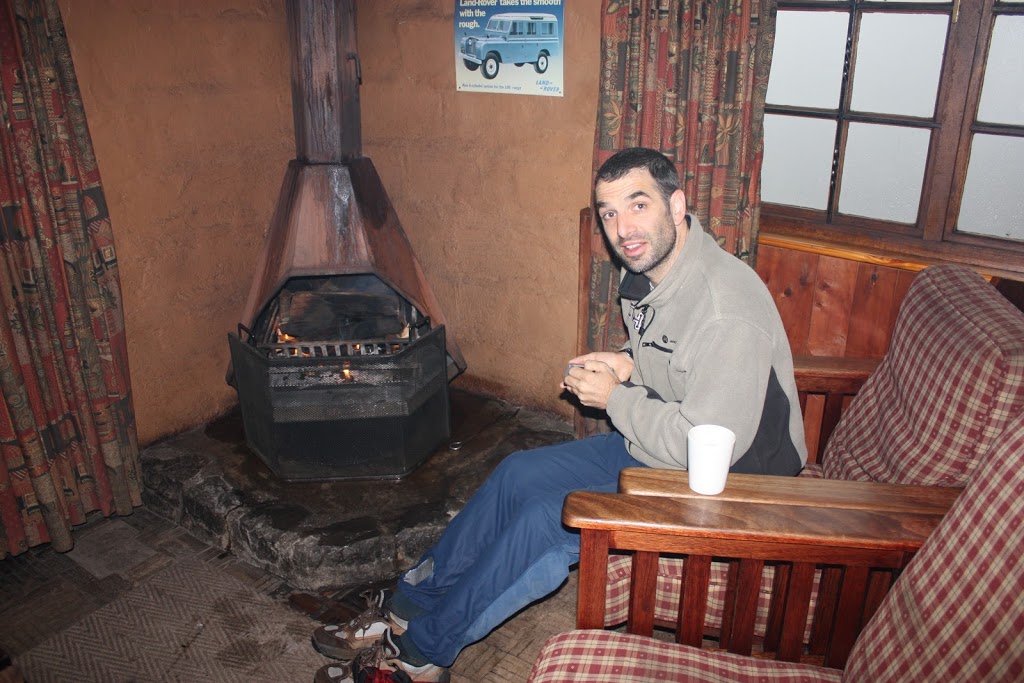
Caught in a rainstorm during a hike? Head over to the fire and the Rads will dry off
lickety-split. Here, at the Sani Pass Lodge on the Lesotho/South Africa border. 
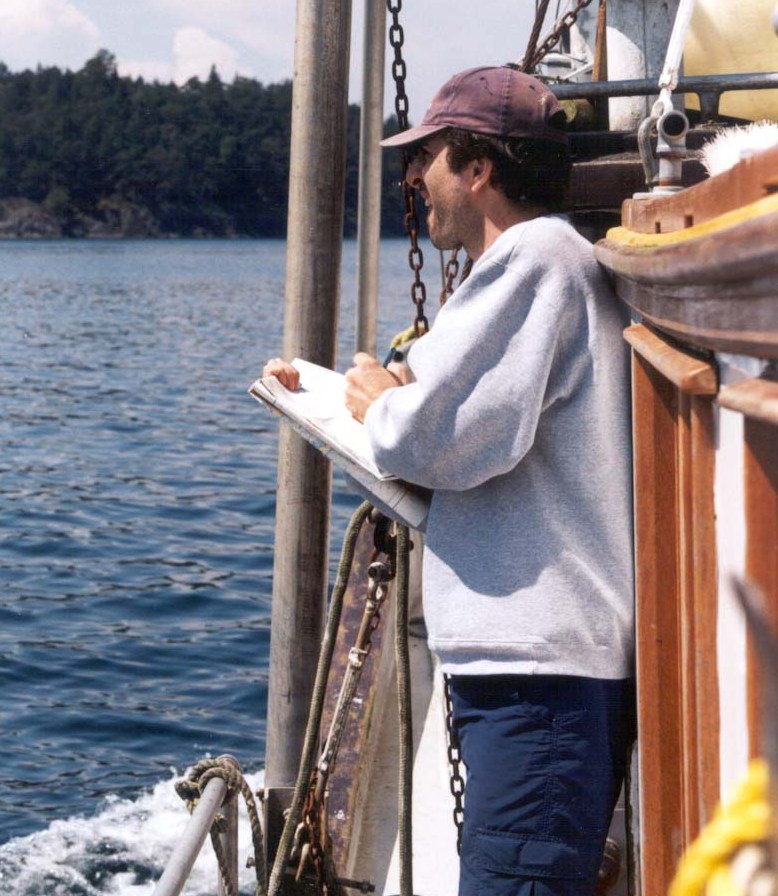
Planning a beach attack on the Gulf Islands during my thesis work. 
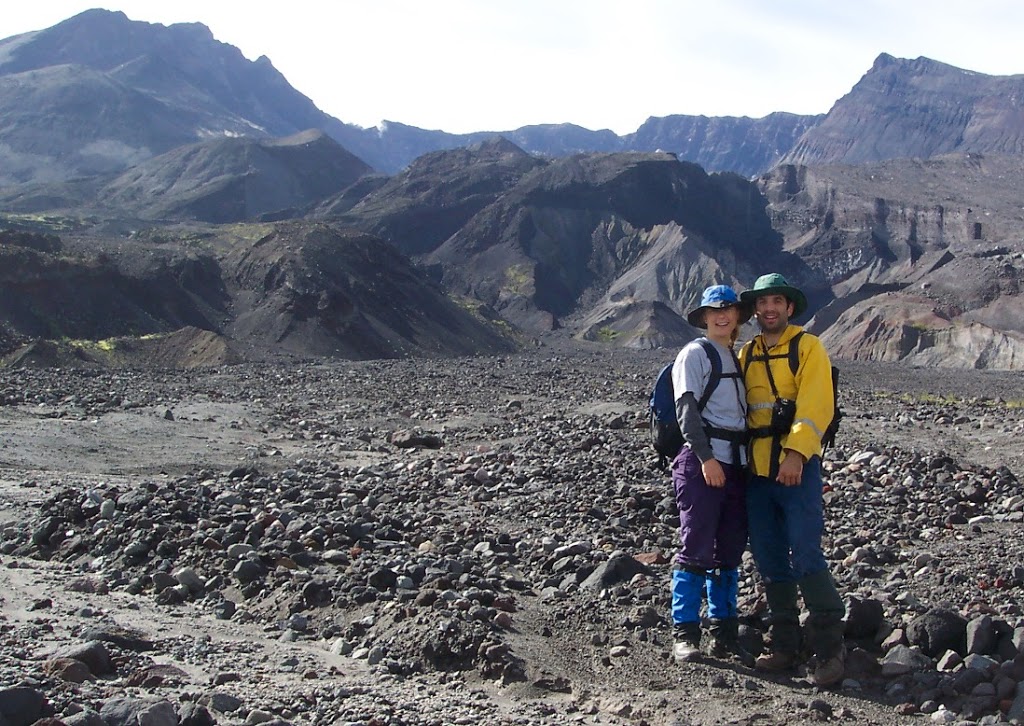
With Ms.NWimby and her fetching Eggplant Rads, on the way
into the crater of Mt. St. Helens. 

The Wrong Tool for the Job

Yeah, the Pacific Carbon Trust is crap.

It is a poorly conceived and brutally executed waste of taxpayers’ money, invented and mismanaged by a government that is either willfully corrupt or stunningly incompetent. But that doesn’t mean Anthropogenic Global Warming caused by the burning of carbon at a rate that the planet’s biosphere cannot buffer is not an issue that Governments need to take immediate measures to address.

I was amongst those whinging about the Pacific Carbon Trust years ago, and I was frankly shocked to see how close the Auditor General report paralleled my criticism of the program. The gist, repeated ad nauseum by my strange political bedfellow at the Canadian Taxpayers Federation, is that cash-strapped cities and school districts are forced to pay money to Encana and other multi-national corporations to do things they would have done anyway, to create the illusion that Government operations were “carbon neutral”.

There was some flawed thinking from the onset, even if there were good intentions. Creating incentives to reduce the carbon impact of government operations was a good idea. Putting a price on carbon use is also a good idea. Causing government operations that cannot meet “zero carbon” goals to invest in offsetting activities may also a good idea, if well executed. Forcing every government entity to buy their carbon offsets from the same “Crown Corporation” run by entrenched kleptocrats was a terrible idea.

Giving these government entities access to a within-the-Province, one-stop-shop offset isn’t in itself a bad idea, but forcing them to purchase their offsets from that singular entity changes the game. The entity no longer has to compete on the burgeoning global carbon market. It knows it has buyers (actually, the more Government policy discouraged other carbon reductions, the more customers it will have!), it’s only problem is finding sufficient sellers to fill the need. That is not a healthy way to run any market. This is the same flawed market that makes it a bad idea to allow “free enterprise” to run a health care system: when your customer can’t say no, why provide a quality product or price your product fairly?

Well, I guess it works for the Mafia. but who wants to be their customer?

Worse, Municipalities that had their own internal carbon-reduction projects could not use their own carbon-offset money to fund them. For example, let’s imagine the New Westminster School Board decides to build one of their schools (stick with me here!) to be truly carbon neutral – ground-source geothermal with ATES, solar thermal water heating, and non-fossil electricity. That will cost more (up front, anyway) than running a gas boiler, but will result in real greenhouse gas reductions. At the same time, they are still burning carbon for their vehicle fleet and in their older buildings, so they need to buy offset credits. The School Board are not permitted, by law, to apply the cost of implementing those carbon savings from their new school to offset the carbon produced by their own legacy systems. They must instead buy those credits from the Pacific Carbon Trust.

That’s asinine.

This is nothing new, this has been going on for quite a while, and people much smarter than me have been saying for quite some time that the Pacific Carbon Trust is a piss-poor way to manage government carbon offsetting. Only now, when there is a hugely unpopular government heading for a wood-chipper election and the Auditor General report on the Pacific Carbon Trust Comes out, does the media pay any attention to the fiasco.

Unfortunately, much of this criticism from “conservative” parts of the conversation suggests that this is an example of how the entire idea of pricing carbon, from carbon taxes to offsetting schemes to the very idea of reducing emissions is a waste of time and “hard earned” taxpayers money.
Nothing could be further from the truth.

Some go so far to point out that “prominent environmentalists” like Dr. Mark Jaccard are highly critical of the Pacific Carbon Trust, without making clear that Dr. Jaccard argues vehemently that we need to be doing more, not less, to deal with our greenhouse gas output, and the Pacific Carbon trust is not a failure primarily because it cost the taxpayers money, but because it failed miserably to do the thing we were paying for it to do.

(side point – calling Dr. Jaccard a “prominent environmentalist” is about as ignorant as calling Albert Einstein a “noted physics advocate” or Rene Leveques a “well-known Nordiques Fan”. Dr. Jaccard is a highly respected Nobel Prize winning scientist whose research has global impact and whose area of study is the one topic the Canadian Taxpayers Federation is most ignorant of- Economics.)

So let’s make things clear: anthropogenic global warming is still happening. Actually, it is happening faster than we in the scientific community expected. The IPCC worst-case scenario projections for atmospheric carbon, surface temperatures, ice loss, ocean temperature and pH changes, and sea level rise have all been exceeded in the last 5 years. the economic and societal costs of this are going to be monumental unless we do something really soon to manage the issue.

The Pacific Carbon Trust may be the wrong tool for the job, but this doesn’t mean the job no longer needs to be done!

Tunnel to Nowhere

Last week a few friends and I dropped by the Ministry of Transportation’s open house on the future of the Massey Tunnel.

MoT is currently doing “public consultations” on which flavour of tunnel fix/replacement the people like best, following the announcement by soon-to-no-longer-be-Minister-of-Transportation Mary Polak announcement that the tunnel replacement is the next critical piece of transportation infrastructure that needs to be built. Or, to translate roughly: screw you Surrey and UBC/Broadway, we are doubling down on dumb road building ideas from the last century.

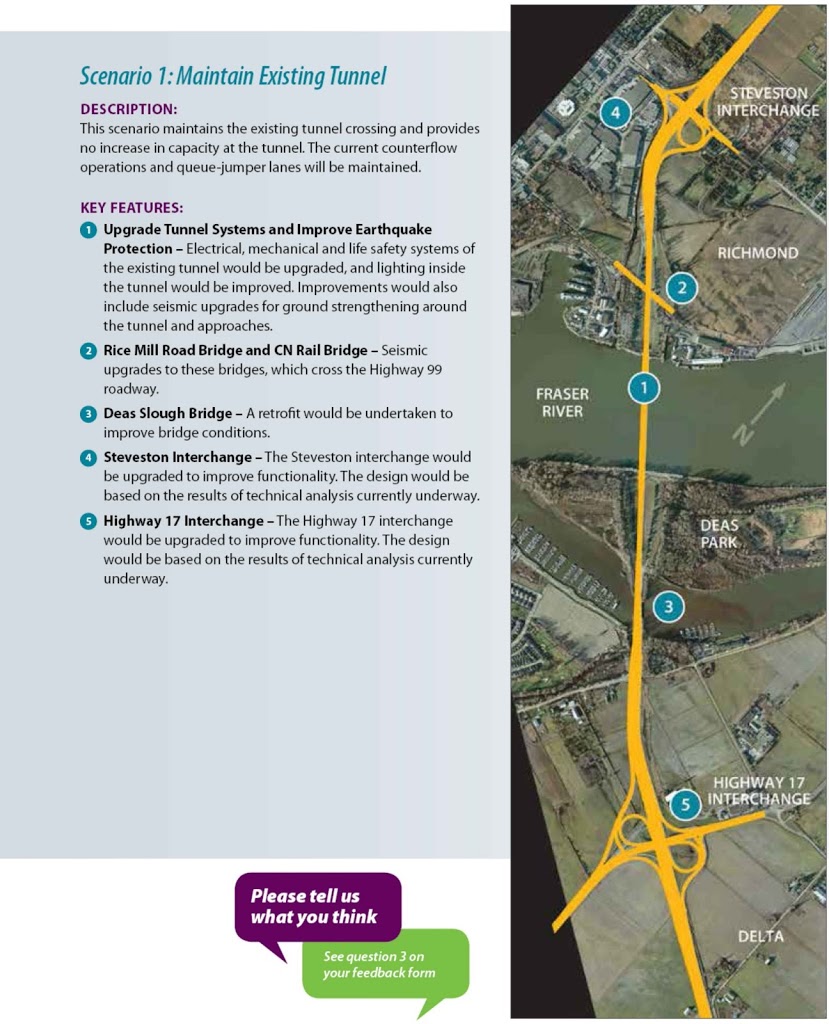
At the consultation meetings we were told there would be 5 options for the future of the tunnel:

Option 1:

 Fix the Tunnel we have: Upgrade the lights, air-moving, emergency, and other mechanical systems (which are archaic, being built at about the same time as Sputnik, and hardly upgraded since). This would also involve a seismic upgrade of the tunnel to modern standards (and a young engineer in the room assured me this was very feasible, but would not provide a cost), and upgrades to the adjacent intersections at Steveston Hwy and Highway 17.

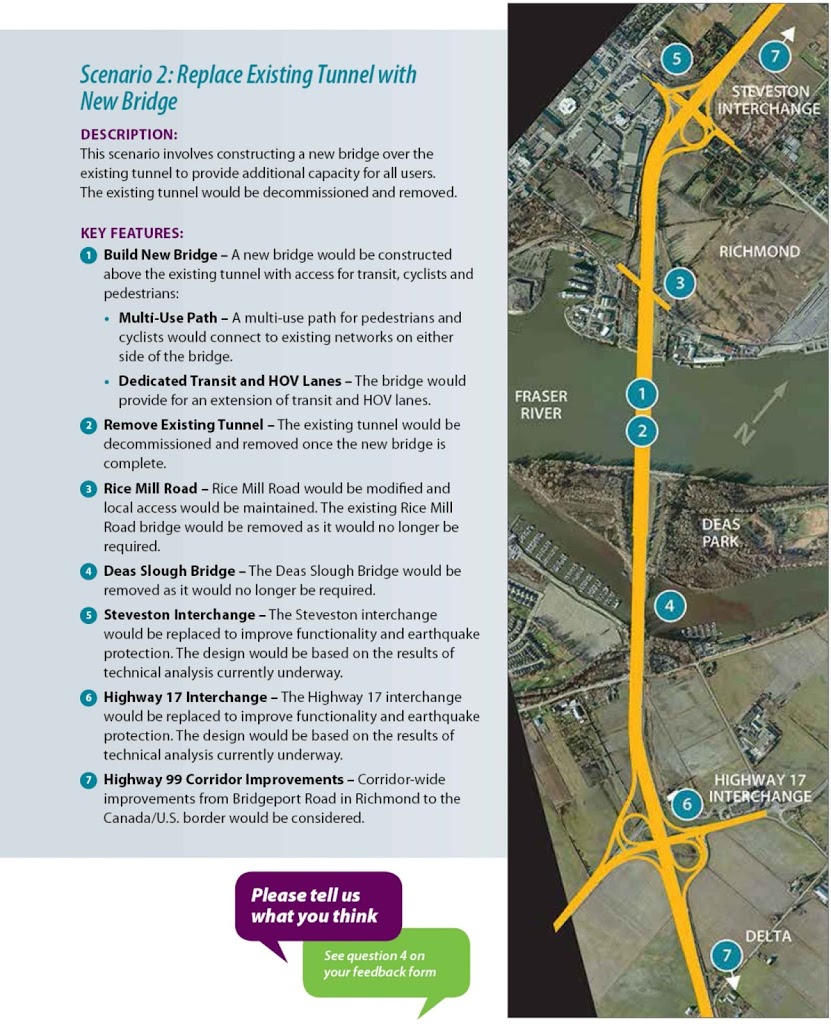
Option 2:

Replace with a Bridge: This would involve placing a bridge essentially on top of the existing tunnel footprint (again, I was assured they could do this, and who am I to doubt Engineers?). The suggestion was a cable-stayed bridge of similar design to the Port Mann 2, and make no mistake: this bridge will “provide increased capacity for all users”, although no specific lane count was provided.

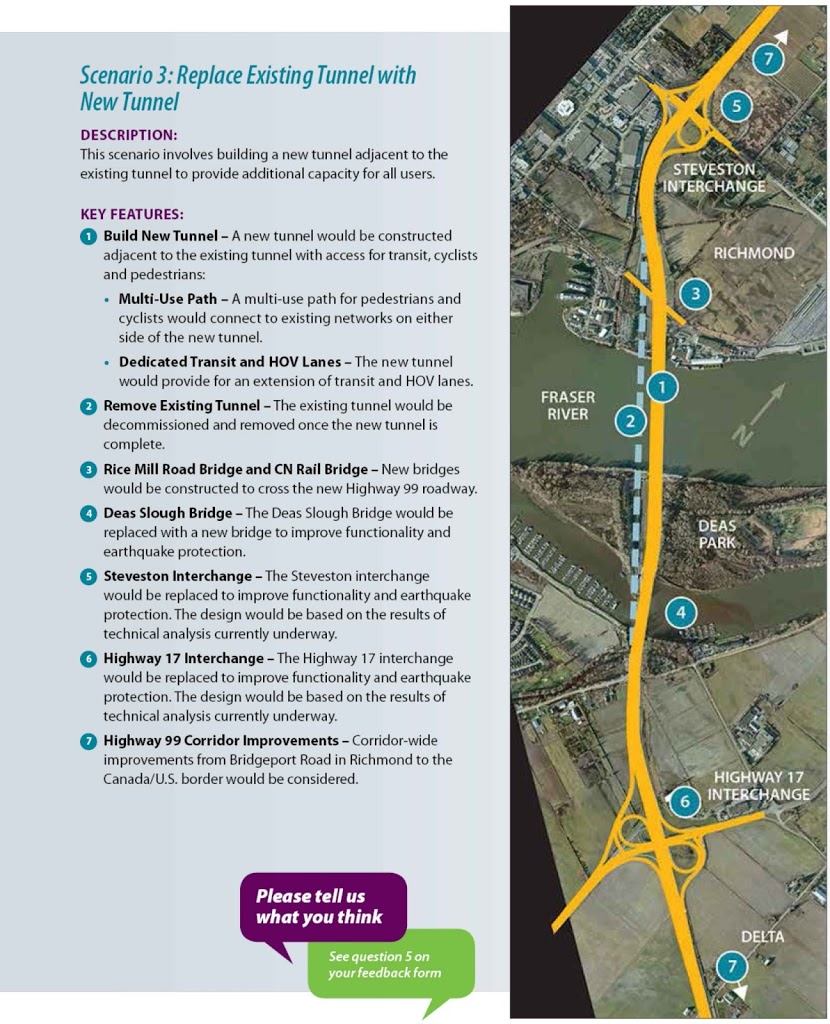
Option 3:

Replace with a new Tunnel: This would presumably mean digging a new tube adjacent to the exiting one, and one again no lane counts were provided, but “increased capacity” is offered. Tunnels are generally considered to be much more expensive to engineer than a bridge, especially in loose substrates (and this substrate is as loose as they get), so I’m going to go ahead and say this idea is dead in the water (excuse the pun).

Option 4:

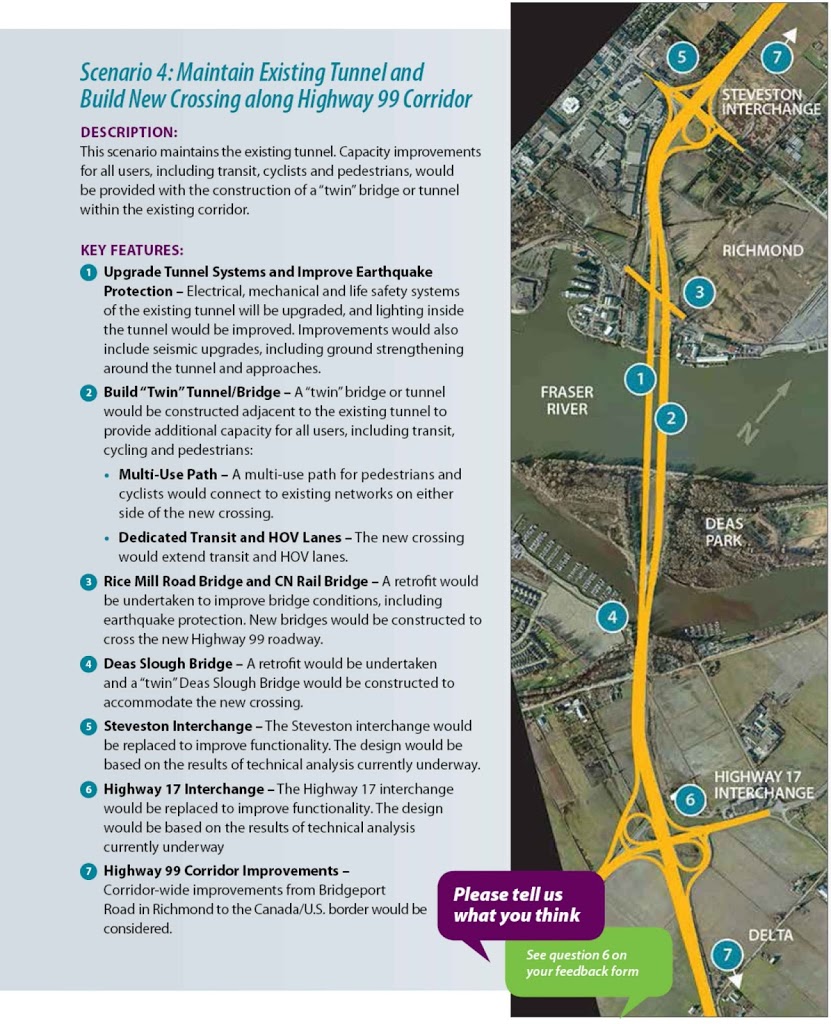
Twin it: This would involve doing both Option 1 upgrades to the existing tube, and building another bridge or tunnel next to it to achieve “capacity increase” goals. This is the literal lipstick on the pig option that will not satisfy anyone, as the cost savings in building a 4-lane bridge over an 8-lane (note- my numbers, not theirs! They won’t talk about lane counts!) cannot possibly be more than the cost saved by upgrading the existing tunnel. If they are feeling flush, they will take Option 2, if they are frugal, they will take Option 1, this compromise is unlikely to be Goldilocks’ choice. Dead in the water.

Option 5:

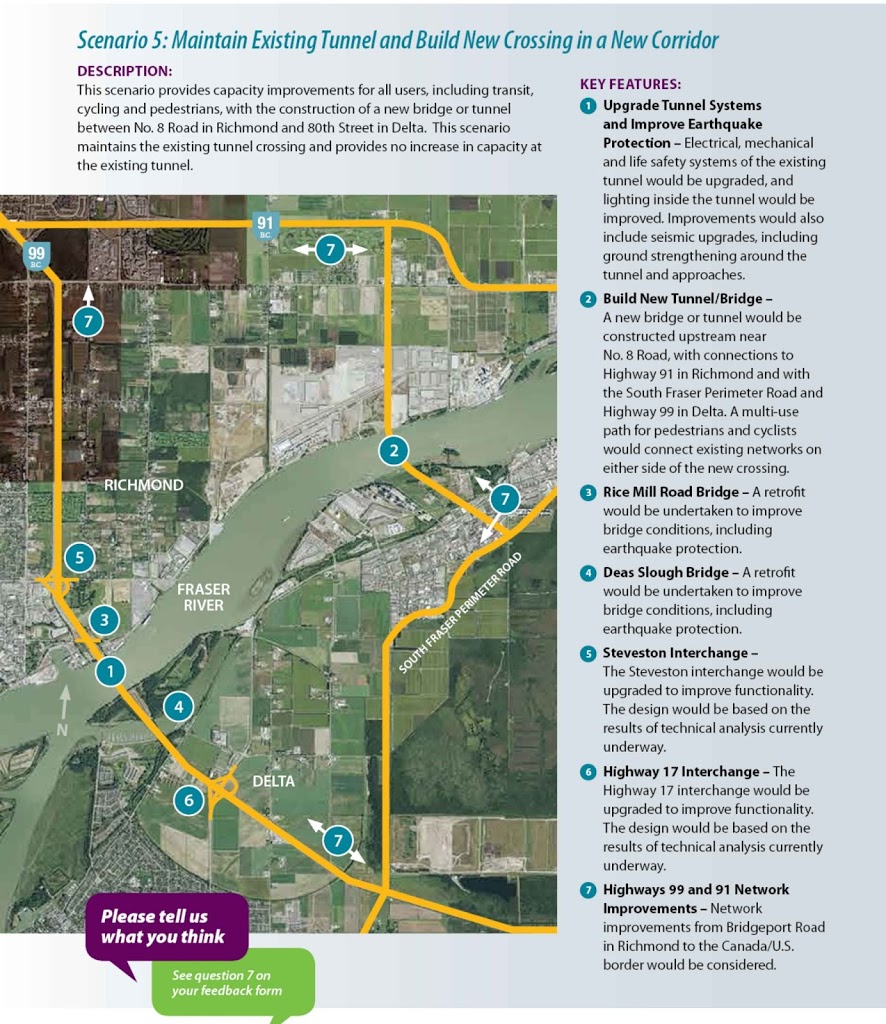
Far-off Sibling: As opposed to twinning in the same spot, this option would keep the tunnel and build another crossing elsewhere: not twins, just siblings. No way Richmond is going to go for this, and the same cost argument for Option 4 exists. Dead in the water.

The other argument for the bridge is, of course, removing a perceived impediment to harbour travel in the Lower Fraser River. Currently, the River is dredged to 11.5m depth (at considerable expense) to allow Panamax ships to pass during most river/tide stages. This won’t be quite enough for fully laden liquid bulk carriers that want to bring Jet Fuel to South Richmond (they will need to be only 80% laden to pass safely).

Suggestions that the River will soon be dredged to “New Panamax” depth of 18m are foolishly optimistic, considering the cost, engineering and environmental challenges that would face anyone attempting to modify the Fraser River that way. Six extra metres of sand for a 250-m-wide path over 30km is what is technically called one hell of a shitload of sand. It would move the saline wedge of the river tens of kilometres upstream, well past where Delta and Richmond farmers draw water to irrigate and harvest crops. I can’t thin of what it would do to fragile salmon stocks or endangered sturgeon. This is a crazy pipe dream. Besides, the Port’s business model is no longer taking things on and off of ships, it is developing real estate for truck warehouses. Why would the Port be interested in spending their own money in dredging rivers when they can enjoy the subsidy of asphalt roads.

The missing point during these consultations was raised several times during the Q&A session: there were no costs mentioned. Not even order-of-magnitude estimates were provided, or “high-medium-low” scaling of costs related to each alternative. Which makes the whole consultation thing a little premature. How can we (the taxpaying road-using public) meaningfully respond to which is best if we don’t have the price?

“Would you rather eat Kobe Beef or a Stouffers Salisbury Steak? Don’t worry about the price, we’ll tell you later which you chose.”

I’m sure the people of Tsawwassen (especially those planning monumental but short-sighted car-oriented retail development) want the biggest, widest bridge they can get (and no tolls, of course), but if you ask the average British Columbian Taxpayer if they want to spend $250 Million fixing the tunnel or $2.5Billion replacing it, you might get a very different answer! (That said, letter writers to the Delta Newspaper are more nuanced in their positions that a smug North-of-Fraser know-it-all like me might have expected)

A final problem with the entire rush-to-consultation before election production is that they are not being straight-up about the “need”. If the tunnel is old and needs repairs: fix the damn thing. If the river draft is a problem: tell us that and make the Port pay for replacement. However, MoT is suggesting that growing congestion is the real driver, but this is not only untrue, they are using the wrong tool to fix it.

First off, Massey Tunnel traffic is going down, and has been for a while. Part of this is less people are driving and more are moving to the alternatives, another part is that the tunnel only avails you to traffic chaos further north. Traffic can only get so congested before the traffic stops arriving. Before anyone replies with “stunting economic growth” argument – this drop in traffic has happened during a time of unprecedented growth in population, industry, and land value on both sides of the tunnel! I’m not sure Delta or Richmond could have tolerated growth faster than it has arrived in the last decade or two.

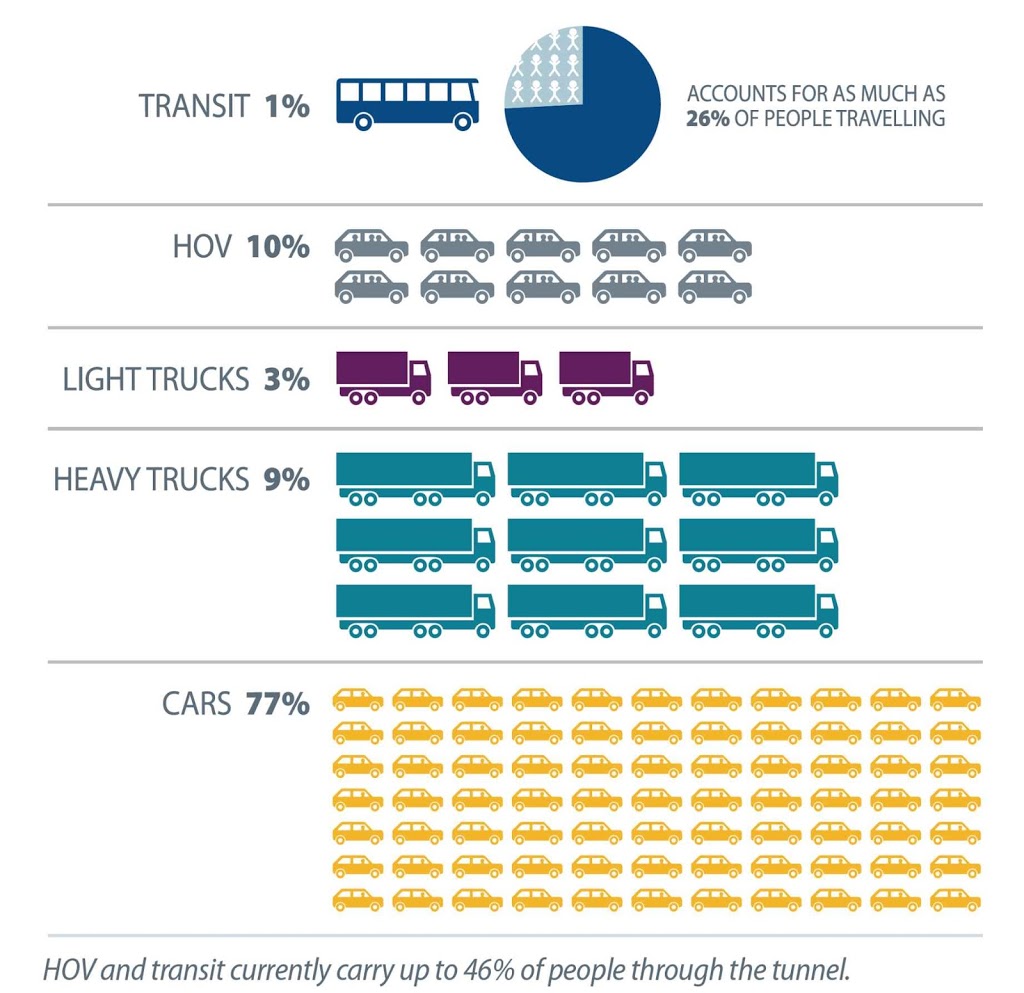
Secondly, as was pointed out at the consultation meetings by MoT representatives themselves, the real congestion problem at the tunnel is that the vast majority of the vehicles in it are not moving “goods”, or even more than one person. Single Occupant Vehicles represent 77% of the traffic. By comparison, transit represents 1% of the traffic, but moves 26% of the people going through the tunnel:

…all images courtesy Ministry of Transportation’s glossy
consultation materials, which  I didn’t ask permission to use,
but hey, I’m a taxpayer, so I paid for them. 

The MoT representative even shared the “surprising” point that of people travelling though the tunnel to get to Vancouver proper, more than 50% were on Transit, not driving. I was only surprised that he was surprised. To anyone who pays any attention to transportation trends in the Lower Mainland, this seems obvious. And it isn’t the result of some fluke of statistics, because This is what Vancouver planned! This is the model set out in the Regional Growth Strategy, in TransLink’s long–term planning documents, in the Livable Region Strategy: this is the model for the region! I find it shocking that an MoT representative would be surprised to find alternative transportation planning works in the Province, and there is data to demonstrate that.

Or maybe I shouldn’t, as we still have a Ministry of Transportation that sees the world through the windshield of their car (or their yellow trucks), and the only transportation plan they understand if roadbuilding. This is why the Minister is sitting in her office off of the Langley Bypass (“best idea for a road ever”), making the Mayors of Surrey and Vancouver fight for the few transit crumbs she may feint to toss their way, while boldly announcing billions for roads to nowhere. This is how she feels no shame in proudly declaring the 10-year-delayed Evergreen Line as “on track”, while making up glossy consultation brochures for the next freeway and while failing to provide basic operating expenses to keep TransLink running busses at the level of service they provided 5 years ago…

So go to the MOT site and fill out the survey they have running until April 2.

Tell them to build the alternatives (light rail or other transit South of Fraser, restoring funding to TransLink, replacing the real goods movement choke point in Greater Vancouver: The 104-year old one-lane Westminster Train Bridge) and they might see the need for this tunnel replacement go away.

Let’s fix the tube we have, and move on to solving real problems.

Envision 2032 Survey

Some of you may remember the Envision2032 event that took place last November.

It was a two day event where Day 1 included a collection of inspiring and informative talks on the topic of Sustainability, and one random blovator rambling on about Richard Nixon or something.

Day 2 was a more interactive event, where people talked in round-tables about a variety of topic areas, and described how a sustainable community looked to them. This was the first step in a longer process being run by the City’s Planning Department to develop a community sustainability framework.

As described by Mark Allison, Senior Planner for the City, the sustainability framework that will result from this process, “Envision 2032”, will create a “lens” through which future plans, policies, practices and projects will be viewed. This will become a major guiding document that will impact, potentially, every decision made in the City for the decades to come, so it is, uh, kind of important that we get it right.

Coming out of that initial kick-off and early consultations, the City has now developed some draft “Description of Success” (DoS) statements. These are broad, visioning statements the essentially answer the question: what are the characteristics of a sustainable community?

The City is now asking stakeholders (and if you live or work in New Westminster, that means you) to review and comment upon those DoS statements. And to do so, they have set up a Survey Monkey survey, which you can access here:    www.surveymonkey.com/s/envision2032DoS

You only have until March 31st to fill those surveys in, so please go to it soon!

Note the survey is broken up into 11 policy areas, some will no doubt be more interesting and important to you than others, so don’t feel you need to delve too deeply into every single one. If you are a wonk like me, you might want to spend a few hours deliberating over this stuff, but if you just want to be heard, pick and choose the parts where you think you can contribute. As you will see, you could spend hours doing this survey, or be out of there in 10 minutes. It’s up to you.

Rather like people who say “If you don’t vote, you can’t complain about who wins”, I say if you do not take a bit of time early on in a processes like this, you have lost some of your argument when you then whinge about the results of the process. Blanket disagreement with the statements is a valid form of comment, but it might be more useful if you actually take the time to describe better statements, or point out where the statements are flawed. Of course, if you agree with them, then also say so! Remember, democracy is when decisions by people who bother to show up.

Rarely, for me, I am going to reserve my comments until the survey period is over, so as to not poison the well. I suspect if you bother to read my blog (Hi Mom!) you either agree with me, or strongly disagree with me on these topics, so why would I try to change your mind, or give you fuel for the fire (respectively) prior to your going over to the survey and completing it yourself?

In the meantime, I have already done my survey, but will provide a bit of more informed opinion here after the 31st, and after I do a bit more research:

Climate keeps on changing

There have been a couple of intersecting stories recently relating to how our Federal Government is dealing with the science of Anthropogenic Global Warming.

Cynics say they are doing nothing about it, but I counter they are taking a strong, nuanced, and multi-faceted approach to the issue; one common to theocratic Petro-States the world round.

They are lying to the public, and then making sure no-one on their payroll can call them on the lie.

First the lie part.

You might remember last month when that most Orwellian of federal officials, Minister of “Environment” Peter Kent, suggested that Canada is making real progress, and is already half way to meeting our 2020 Greenhouse Gas targets as set out in Copenhagen Accord in 2009.

The Copenhagen target was based on emissions we put out in 2005. Here is the Government’s own data on GHG emissions (in Million tonnes of CO2 equivalents):

2005 (the date upon which targets are hung): 740 Mt
2010 (the most recent data provided by the government): 692 Mt
2020 (the target): 607 Mt

Now, I’m a geologist, which basically means I’m not so good at math, but I’m pretty sure 692 is NOT half-way between 740 and 607. But it gets worse.

Reading through the Ministry of Environment report, you can see that much of the reduction up to 2010 is a result of the recession that hit in 2008 (which I don’t see the Harper Government taking credit for…). Much of the rest is a result of this little nugget:

“ For the first time, the contribution of the land use, land-use change and forestry (LULUCF) sector to achieving Canada’s target is included in our projections.”

So, they have fudged the numbers going forward to include landuse changes. That may be a valid way to count net GHG impacts, but introducing it halfway through makes it look like something has changed when, in reality, nothing has!

Even with this fudging and the fortunate (in hindsight) global recession, the report does not project that Canada will meet its target of 607 Mt by 2020. See Table ES-1 where it shows emissions since 2010 have been creeping back up after the recession, and we will be putting out 720 Mt per year in 2020. This is a 2.7% decrease from 2005 numbers, but not half-way to 607 Mt. Not even close.

Of course, the problem with telling lies is that someone might call you on it. It is one thing if this is a political opponent (you can dismiss it as partisan bickering, who in Politics “owns” the truth?). It would be something different if those people work for the Government, especially if they are the people who collect this data. So in true theocratic Petro-State style, the Harper government has a three-prong attack against science:

First you stop new science from happening:
Then you stop existing scientists from talking.
Then you limit access to historic science.

Eventually, the facts hit the memory hole, and there is nothing to stop the buddies who funded your unlikely rise to power from re-writing the laws of the land for a singular, psychotic, self-destructive purpose.

How long can this go on?

Damn

UPDATE: I was just informed there will be a brief memorial at 2:00pm on Tuesday at the Queens Park bandshell, moving to the Rose Garden. My work commitments keep me from attending, but I do hope some New Westminster folks who care babout pedestrian safety will show up. It’s not about politics, or blame, it is about showing Gemma’s family that we as a community recognize the tragedy and want to do better…

This sucks.

I hate reading about this kind of thing. It makes me sad, it makes me angry, it frustrates me.

Putting a face to the name, recognizing Gemma Snowball as a young Australian woman who worked for a couple of local businesses makes it a little more personal. It’s not like I knew her name or shared any relationship more than being two people living in the same community, but just having interacted with her, recognizing her as a human being, and not just another nameless accident victim, it hits you a little harder.

It shouldn’t, though. Every person killed in what Newz Radio euphemistically calls an “incident involving a pedestrian” is a person, they were humans with families and jobs and futures and stories. Even if we didn’t have a chance to know them. Instincts deeply rooted in our evolution as tribal animals make deaths in our community more important than ones farther away, deaths of people we share a language and skin colour with more important than those whose cultures we don’t understand, people we have met more important than those we haven’t. One of those vestigial bits of human nature we would be best to get past.

My connection to this also comes from another direction, though. Serving on the City’s Advisory Committee on Transit, Bicycles and Pedestrians and the Master Transportation Committee, and being an outspoken advocate for improving pedestrian safety in New Westminster, I spend a lot of time talking with other (better informed and more effective) advocates for safe pedestrian environments, like Mary Wilson and Marion Orser and Bruce Warren. When we discuss the need for better traffic control, reduced speed limits, better lighting and pedestrian protection, better crosswalks, we often feel we are in our little bubble speaking to the wall.

We aren’t speaking to the wall, though. The City is making positive changes. We have a Pedestrian Charter, although fulfilling its vision seems a glacially slow process at times. Small changes are happening all the time: improved lighting or signals here, a new crosswalk there. Planning at every level in the City is doing a better job acknowledging the needs of pedestrians instead of just suffering their existence. The movement is slow, but those of us who spend our free time working on this stuff can see that we moving in the right direction, otherwise, why would we bother?.

Then something like this happens, and you shake your head and wonder if we are moving fast enough. In the priorities of “needs” a City strapped for resources has: firefighters and keeping the sewers running, plugging potholes and aiding the homeless, maintaining a vibrant community spirit and protecting people from crime, where do we stick “Pedestrian Safety” on the list?

The good news is that the pedestrian space in New Westminster is relatively safe. For a City with 400,000+ cars and trucks a day driving through, pedestrian deaths are uncommon: one in each of 2009 and 2010, none at all in 2011 or 2012. Maybe we have been lucky, dodging bullets, as MetroVancouver averages just under 20 pedestrian deaths a year. Even more depressing, the majority of automobile-related deaths in Vancouver are pedestrians – not cyclists, not drivers or passengers, certainly not Transit users, but people on foot.

The reality is that accidents happen. We don’t yet know the details of this incident. We know it was dark and rainy and the media reported the driver was making a left turn, which is clearly illegal at that intersection. Maybe it was an honest mistake by the driver; maybe it was intentional… a “victimless crime” if there was no cross traffic. But this time there was cross traffic. Maybe Gemma wasn’t as cautious as she could have been crossing the street at night, rushing to catch the bus on a rainy night after a long shift at work.

We may never know the combination of bad decisions made in a split second that resulted in one dead woman, and a driver whose life has now been tragically altered.

We don’t know the details, and I don’t know the solution. Maybe the built infrastructure had nothing to do with it – a freak combination of events that could not be avoided. But like many others, I can’t see an event like this and ignore it. Gemma was too close to my tribe and died in my back yard, I can’t let it pass unnoticed. Some have set up a vigil at 6th and 6th, and that is good for a time. Some others are holding an event on this upcoming Tuesday at the Dublin Castle to remember Gemma and raise a little support for her family. I am going to plan to go and help out in that little way.

More important, I am going to continue to advocate for pedestrian safety, to make our streets safe to cross. Gemma (and Christian Mesa) will stick in my mind, even if they were not friends. They are the reason we are working to make our urban areas better by making our streets safer for humans; so a momentary lack of attention doesn’t result in the tragically premature end of a life full of promise and hope.

If you are an advocate for pedestrians, a person who has felt that more needs to be done to make our crosswalks and sidewalks safe for the people of our City, maybe you might want to show up on Tuesday at the Dublin Castle and show some support. This isn’t a political issue (I don’t know any politician who wants streets to be less safe!), just a reminder of why we should be listening to advocates like Mary Wilson and keep fighting the good fight.

Environmental Forum – debrief

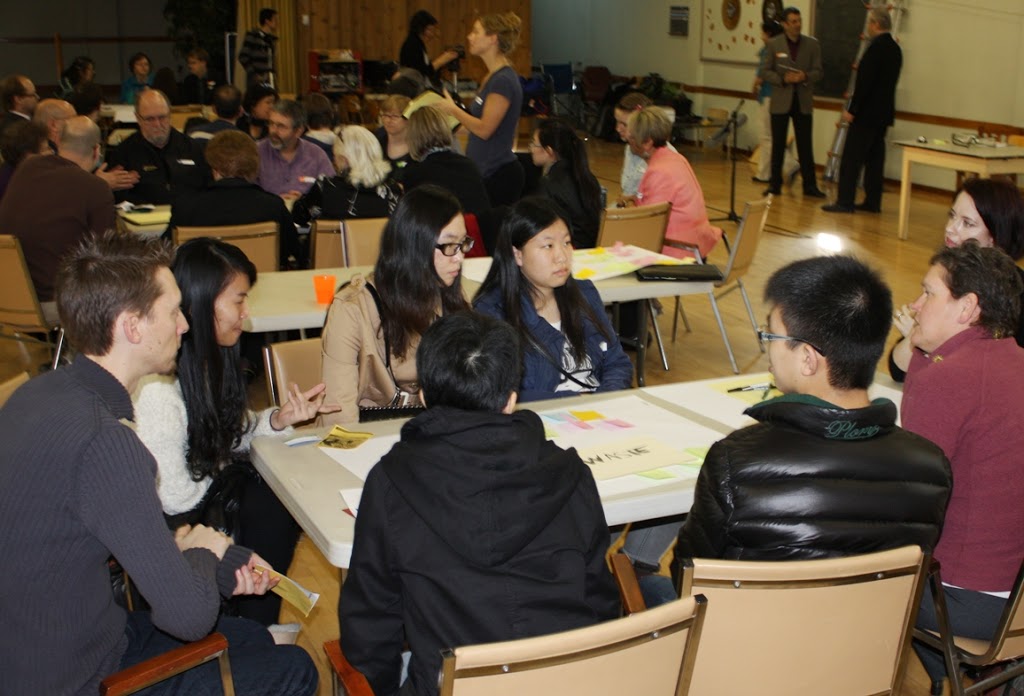
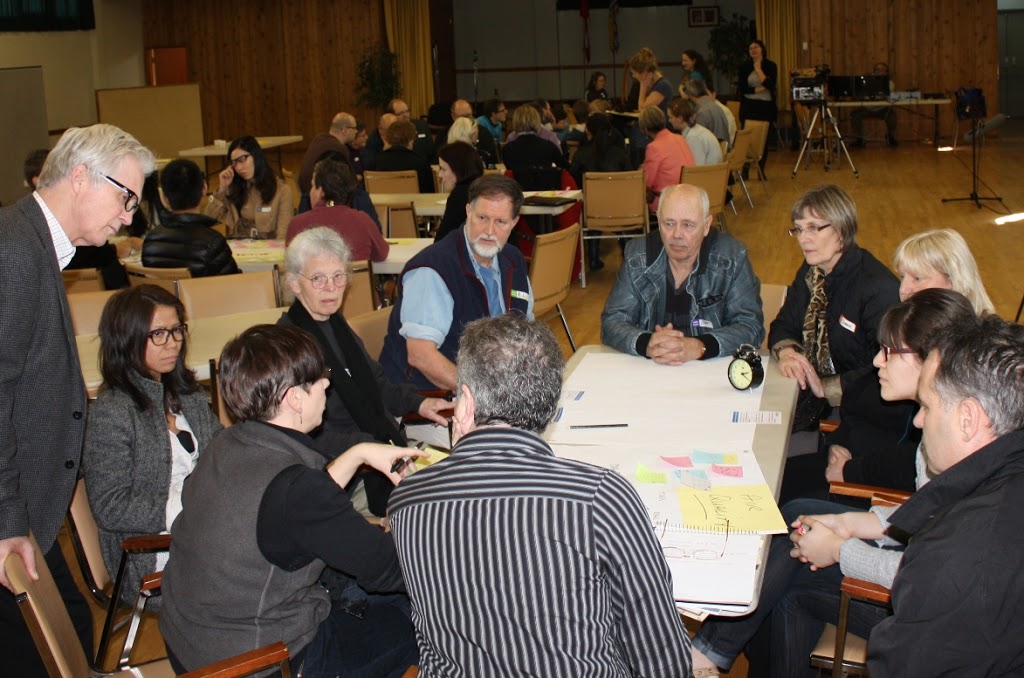
In the end, it all went remarkably well!

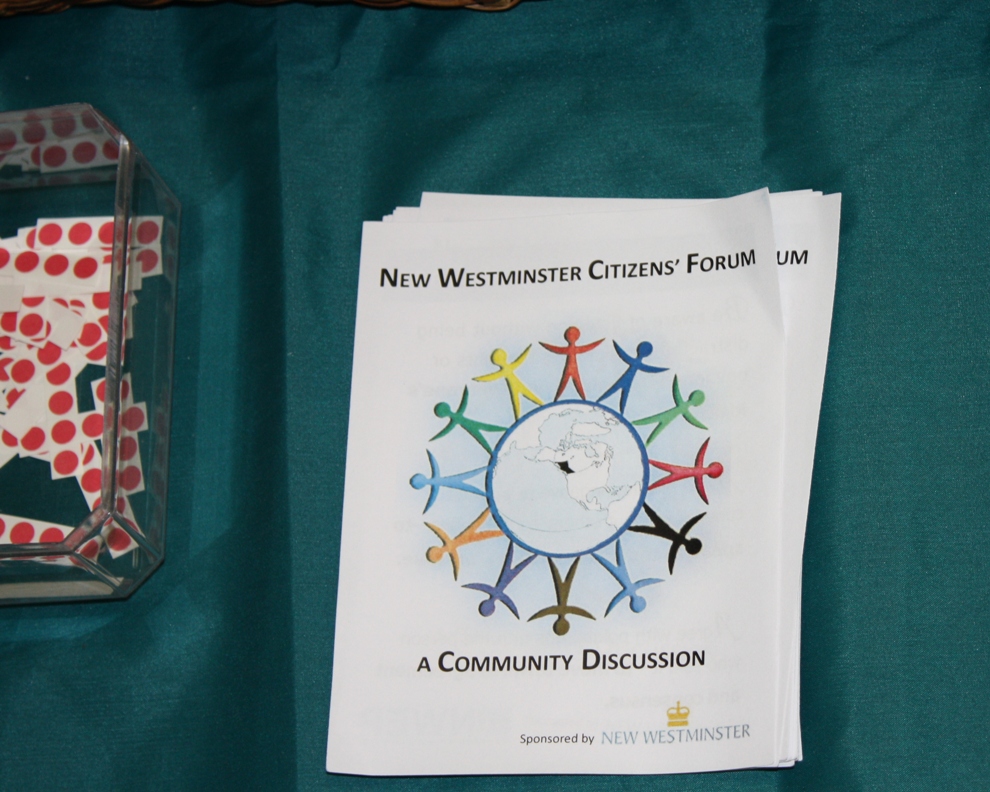
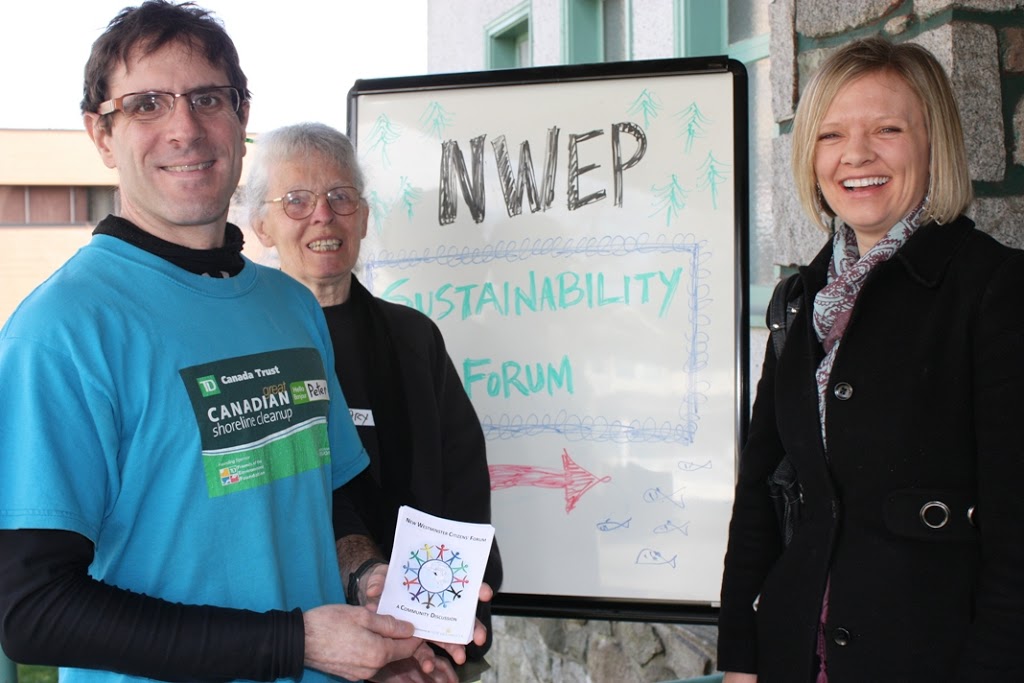
It started as an idea in the mind of NWEP member and consciousness-raiser Virginia Ayers, and after much hand-wringing, many meetings, and an alignment of stars, last weekend’s Environmental Policy Forum turned out very well, in spite of some last-minute organizational spackle application!

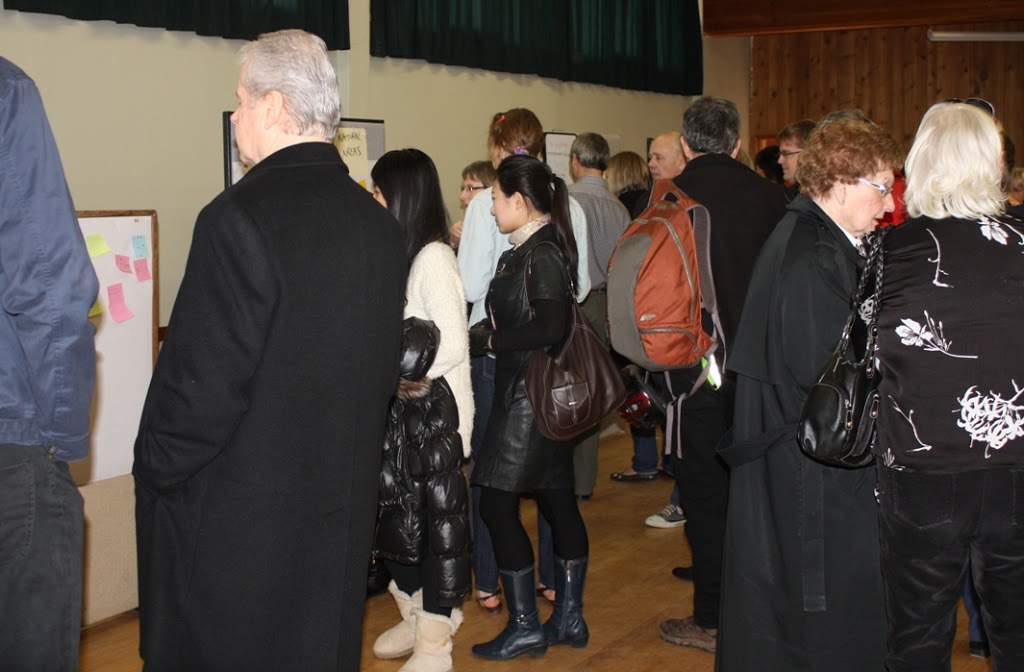
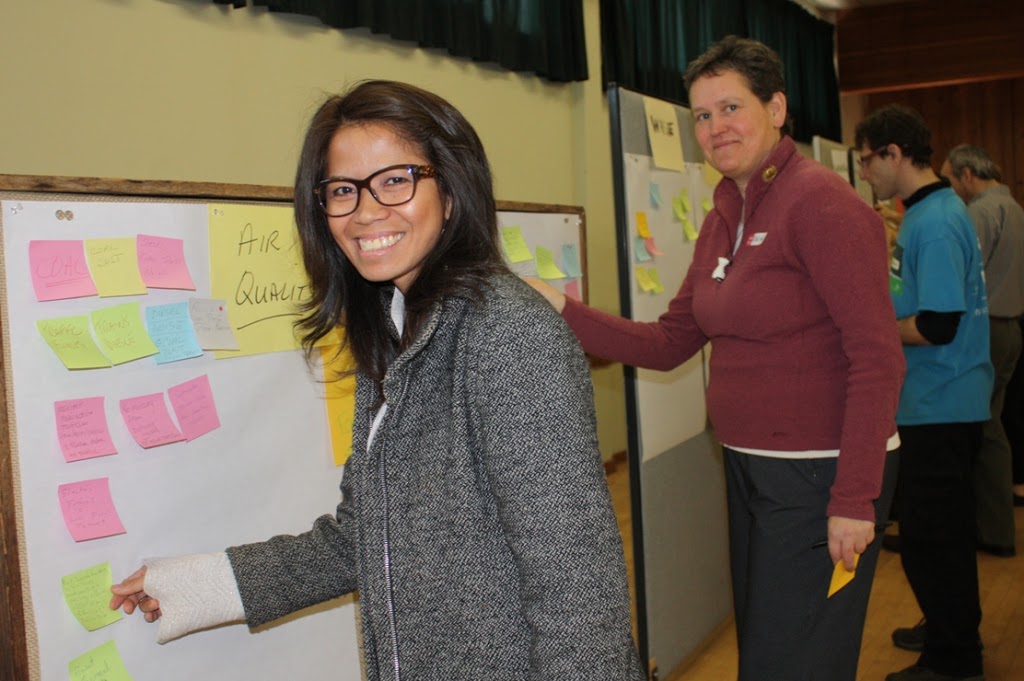
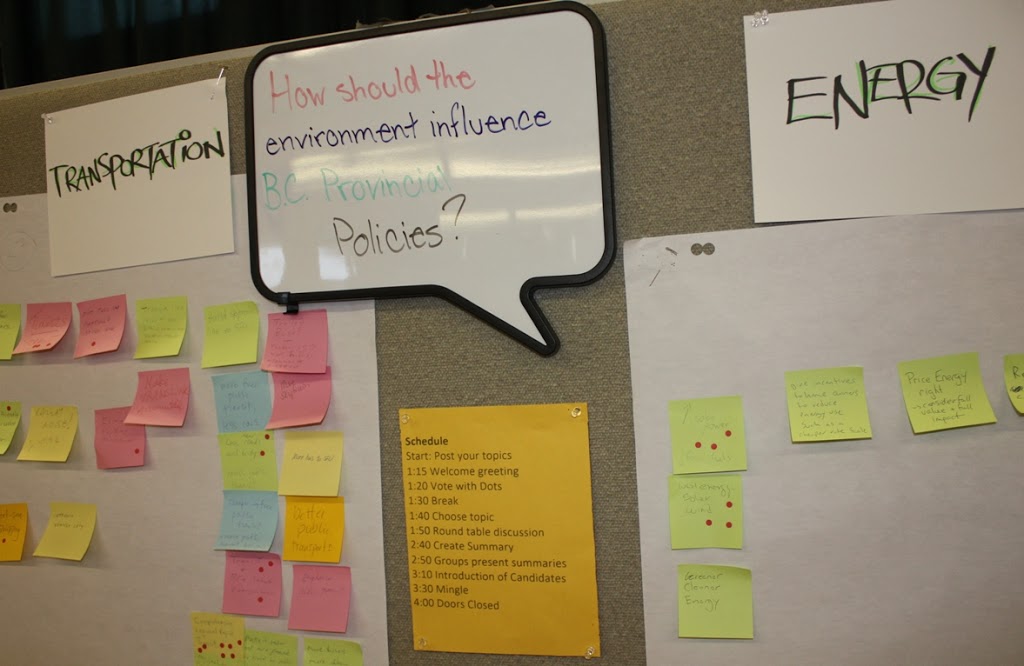
 The opening phase of the event, where people were asked to present ideas, concerns, issues and post them on out tack boards went well. In hindsight we could have stretched this time out, as the interactions in front of the board were happening well ahead of our more formal discussions. It was the meeting of minds and people during this early phase that made the rest of the day successful and, “primed the pump” for greater in-depth discussion.

Although not every topic on the bard made it to the table discussions, NWEP data-cruncher Peter McMartin has already entered all of the post-it note comments into a database, and is working out how best to make a searchable or otherwise suitable display of the data. So the ideas are not lost, and may form the nucleus of future discussions. Be sure the NWEP will refer back to them when looking at future events.

Once all the ideas were up on the boards, a furious voting period ensued, when all participants were asked to vote for their “top pick topics”. The facilitators high-graded the highest-vote topics (and categories of topics) and made up 5 roundtables for discussions. The topics that rose to the top were and interesting combination of the usual New Westminster issues, and hot topics of the day:

Transportation (and dealing with traffic pressures on New West)

Food Security (GMO crops, pesticides, local and organic food)

Solid Waste (details around, and alternatives to, waste incinerators)

Green infrastructure (building codes, reducing the impact of our built environment, carbon tax)

Air Quality (especially impacts from all truck through-traffic, and the expansion of coal ports).

I was, unfortunately, running around doing other things (see below) and was not privy to all of the discussions that ensued. Word-of-mouth has some relatively benign and positive discussions where it was easy to forge a common position (i.e. food security) where other topics (I’m looking at you, Transportation) resulted in a more complex discussion, and many counter-points raised.

There were a few common themes that tied many of the topics together. Many touched on climate change, the “transportation” theme clearly interacted with “air quality” when talking about truck traffic, and “air quality” concerns were obviously related to the trash incinerator topic. This (I hope) clearly demonstrated than sustainability is a complex topic, and easy answers are hard to find, as every change in one are impacts other areas in sometime unforeseen ways. Hence the need for “systems thinking” when we approach these complex problems.

However, the one overarching theme, the one that each of the groups included in some way in their report-out, was the need for more education on every issue. This included us, as citizens, needed more education on the impacts of the various waste-to-energy technologies, and it meant more education of the general public on the hows and whys of Port approval for projects that impact the greater community, and on the impacts of vehicle exhaust on our health. As an NWEP member, this was one of my take-aways from the event- people want to be better informed on issues, and the NWEP can help with that role.

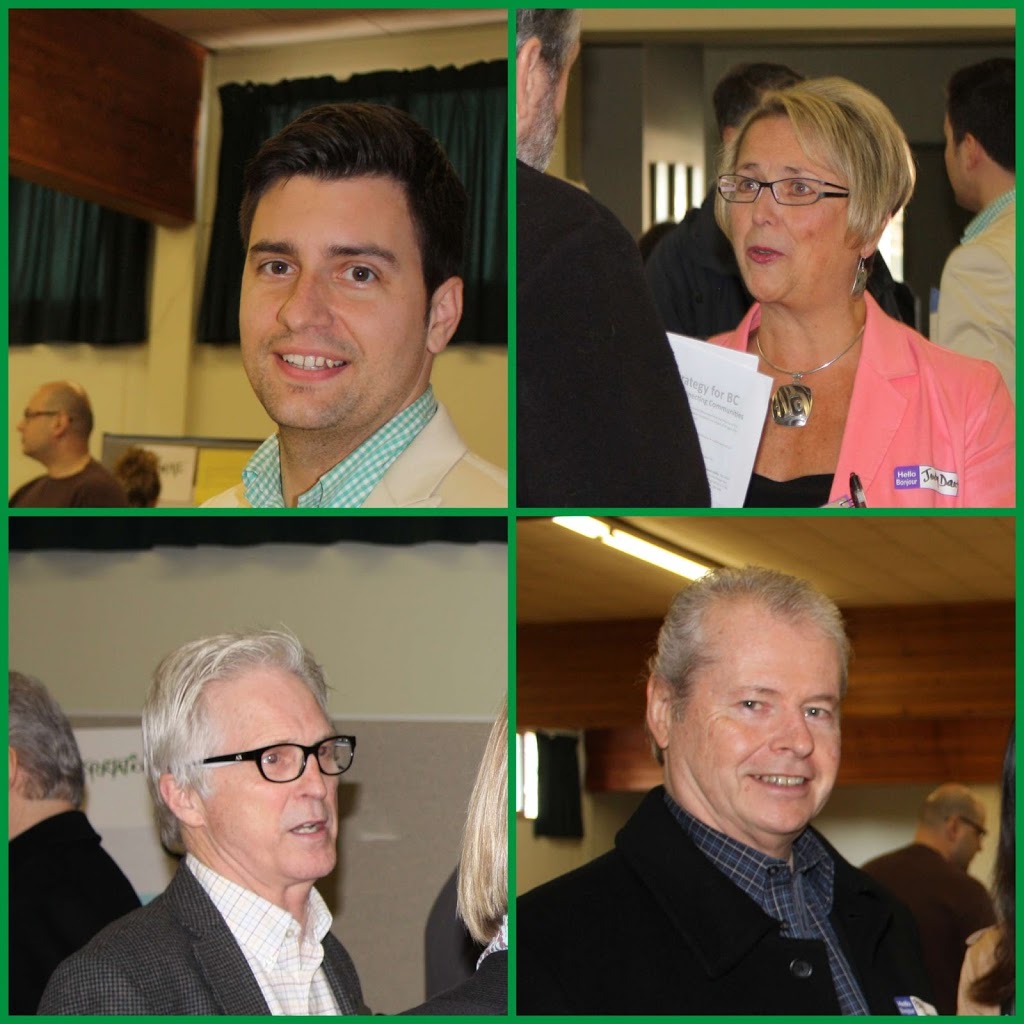
And, last but not least, the four candidates vying for our Votes in May seemed to be pleased with the event. They had ample opportunity to hear from a wide breadth of the electorate. We had a good turn-out considering it was a warm, sunny weekend day in March, and maybe they would have liked to have spent those couple of hours door-knocking, but they were all game to a rather free-form discussion. They were all provided an opportunity to interact with the discussion groups and to provide a short speech afterwards.

One bonus was that our local community web-based TV volunteer group NewWest Dot TV was there to film and live-stream the event. This provided the opportunity during the relatively dead-air time of roundtable discussion for each of the candidates to be interviewed by some clown in a cheap suit. Clearly the clown was out of his element doing interviews, having both a face and a voice more suited for newspapers, but the candidates were great, providing concise and clear answers to his rather simplistic and idiotic questioning (starting about 45 minutes into the live stream now visible on the Newwest.tv website).

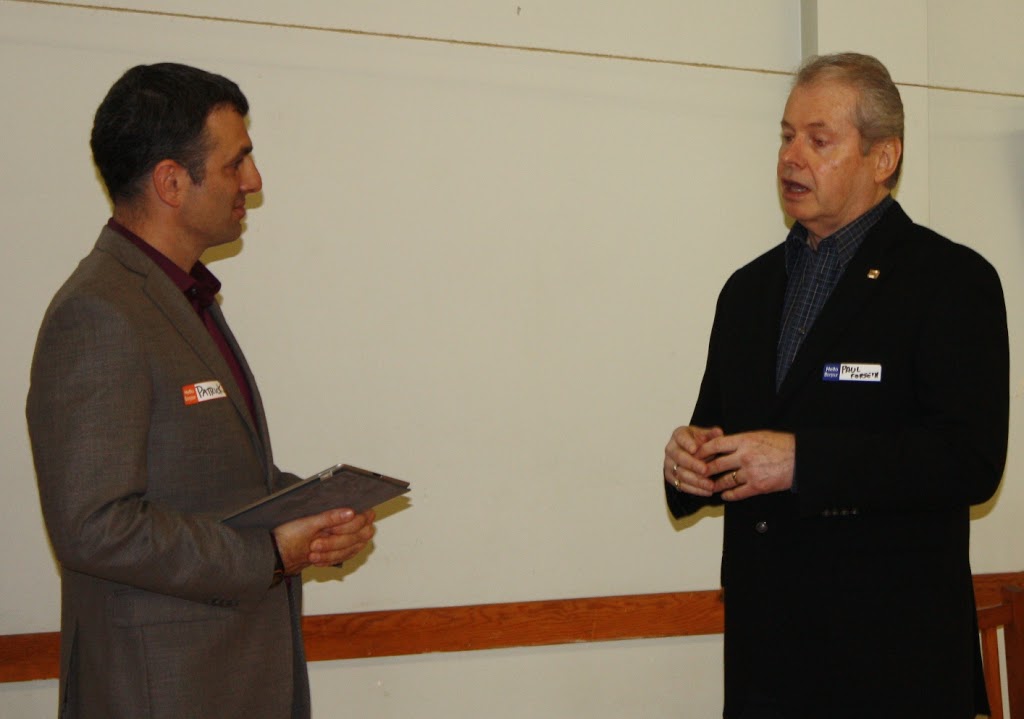
Interviewing Clown, Patient Candidate

Thanks to the NewWest.tv folks, the reporting out of the tables discussions, and the short speeches by the candidate are also view-able, for them that couldn’t show up. The NWEP will also be “reporting out” over the next month or two on their website. I have no idea what it will look like, but stay tuned!

Personally, I had a great time at the event, and thought it went really well. Because I have a loud voice, I was asked to emcee the proceedings, which with a successful event like this, allows me to receive lots of kudos from the happy participants. Appreciated, but I really only helped a little with a few tasks them yapped loudly at the crowd. This event was the brain child of Ginny Ayers, and between her incredible idea-generation and problem solving, and Karla Olson’s boundless energy and ability to get things done, about 90% of the entire project was managed. I’d also like to thank Andrew Feltham, Reena Meijer Drees, Kathleen Somerville, Antigone Dixon-Warren, Virginia Bremner and Mary Wilson for being conversation-facilitators at the individual tables, and to Alex, Peter, Anna, and probably a few people I am forgetting, for helping with the set-up & tear down and all the other tasks that made it happen.

And especially thanks to the 40+ random New West folks from all walks of life who showed up on a sunny Saturday to make for a fun conversation.