Budget 2020!

This week in Council we are going to be talking about the Budget, and are asking people to once again provide us some feedback on budget issues. Providing this feedback is difficult for many people, or it is hard to understand how your feedback will be incorporated, because municipal finance is a little bit arcane. So I thought before the meeting, with the reports and tables on line here, I would give you a bit of a run-down of how the budget process works.

We have already had some lengthy discussions about the capital budget. This is the budget we use to pay for things like buildings and vehicles and computers. These are (mostly) one-time items, though most need periodic replacement, and (mostly) tangible objects, though we can use capital funds to fund planning for tangible objects, like hiring a consultant to develop an Urban Forest Strategy that will result in capital expenses to buy and maintain trees.

The City is required to balance its budget over a five-year financial plan, so when we talk about “Budget2020”, we are talking about an excerpt of the overall 2020-2024 Financial Plan. Following from this, our 2020 Capital Budget is part of a 5-year Capital Plan, which makes sense because most large infrastructure works cannot be planned, financed, completed and paid for in a single year.

Our draft budget has a 5-year capital plan to spend ~$468 Million on new buildings, infrastructure and equipment, with a some of that representing a few major projects: The ~$100M Canada Games Pool, $54M for a district energy utility, a ~$40M electrical substation in Queensborough, ~$17M to fix up the Massey Theatre, $20M in road paving, etc. This includes the Utility capital investments ($123M for Electrical, $50M for Sewer, $25M for water, and $1.6M for solid waste). In 2020, we are budgeting to spend ~$140 Million of that total.

The City has three options to pay for any capital expenditure: reserves, debt or revenue. Reserves are the monies we have in the bank, some to assure financial solvency, some earmarked specifically for projects, like the money we have put aside for the Canada Games Pool replacement. If there is a reserve fund appropriate for the spending we plan, then drawing from those reserves make sense, though we have to be cautious about drawing those accounts too low because they provide us some financial resiliency, and improve the rates we get from banks when we borrow. Borrowing to pay for infrastructure makes sense for a recreation centre much the way it makes sense to get a mortgage for your house: the people using it pay for its use while it is being used. We have a *lot* of debt room in the City as far as regulations and good financial planning are concerned, but we have to address the public tolerance to take on debt (through a public process when we take out loans), and of course manage the cost of borrowing. The third option is to draw from revenues in the year we have the expense, be those revenues in the form of a grant from senior government or through raising taxes. These both, of course, have limits.

The part of the annual budget that directly impacts your tax rates is the Operational Budget. It is from this budget that we pay staff and buy paper and diesel. Sometimes a pundit in town will chagrin “most of the City’s spending goes directly to salaries!”, to which my only retort is “Yeah, and?” The City provides services more than we build widgets. Widget ore is not as big and expense as delivery of those services, which are delivered by people, from lifeguards to librarians to police officers. Sure, we buy asphalt and pipes, and firefighters need firetrucks, but most of our budget is service delivered by people.


We spend most of the year operating the City based on the operating budget set in the previous spring. As the year goes along, staff, Council and the public identify places where the City can do things differently, where our service is not meeting demands, or where new services are being pondered. Some small things may get done as staff find space in their existing budget to make them happen (or stop doing other things to make the room). But some things are more costly or need more staff time to manage, so managers put forward an “enhancement request” – they ask for more money.

Part of the task of our senior management team is to review all of these enhancement requests, and decide what is reasonable and what isn’t, then set some priorities. Council is not directly involved in that process, but the priority-setting is based on a framework of Strategic Planning created by Council. One of the questions staff need to ask themselves and each other at this stage is – does this enhancement meet a strategic goal of the Council? Then ask if we can afford it. Which is where Council comes in.

Before these enhancement requests, the draft 2020 budget sees costs equaling a 3.9% tax increase already baked into our 5-year financial plan. These are things like increased debt servicing, annual salary increases, inflationary pressures and financing of earlier enhancement commitments already made by Council in previous budgets. Staff have brought forward new enhancement requests equaling just under another 2% of taxes. They then recommended that about half of these enhancements be included in the 2020 budget, and the other half deferred to a future year. This equals out to a draft 4.9% tax increase.

There is an interaction between the Capital and Operational budget. The interest we earn on our reserves is a revenue that is included in our operational budget, so draw those reserves down and we have less revenue. Similarly, the interest we pay on our loans is an operational expense. There is also an operational impact to many capital projects: the NWACC will cost money to heat and light, and will need to be staffed. It will also bring in revenues. Those numbers will be different for the NWACC as they are for the current CGP. These changes have to be budgeted towards.

Since we have a regulatory requirement to balance the budget at the end of the year, if we pull in more revenue (through taxes, charges for services like parking and permits, grants from senior governments, investment income, etc.) in a year than we spend (on salaries, supplies, grants, etc.) that extra money (“profit!”) goes into our reserves and helps offset future capital budget costs. The corollary to this, of course, is that a large capital budget requires us to raise taxes a bit to keep these reserves at a stable level and to pay debt servicing costs.

(I have almost completely skipped utilities in this discussion, I talked a bit about them, with fancy coloured diagrams to show how those work in this blog post from a couple of years ago)


So, this week Council will be asked in two meetings (Monday AND Tuesday nights) to review the budget, review the results of the public consultations that occurred around the budget, and provide one more public meeting where people can come and address council with their concerns regarding the budget. We will review the capital budget commitments for 2020, and will review the recommended and non-recommended enhancements. Council will then make recommendations on any changes, and staff will take those away and work on putting together the necessary Bylaws to make the budget a reality. By the end of the Tuesday special meeting, we should have a pretty good idea what our budget increase will look like for 2020, but looking at the reports, it will likely be something around 5%.
This Happened (v.4)

I am really not good at keeping up with these, but here are a few things that kept me busy over the last couple of weeks.

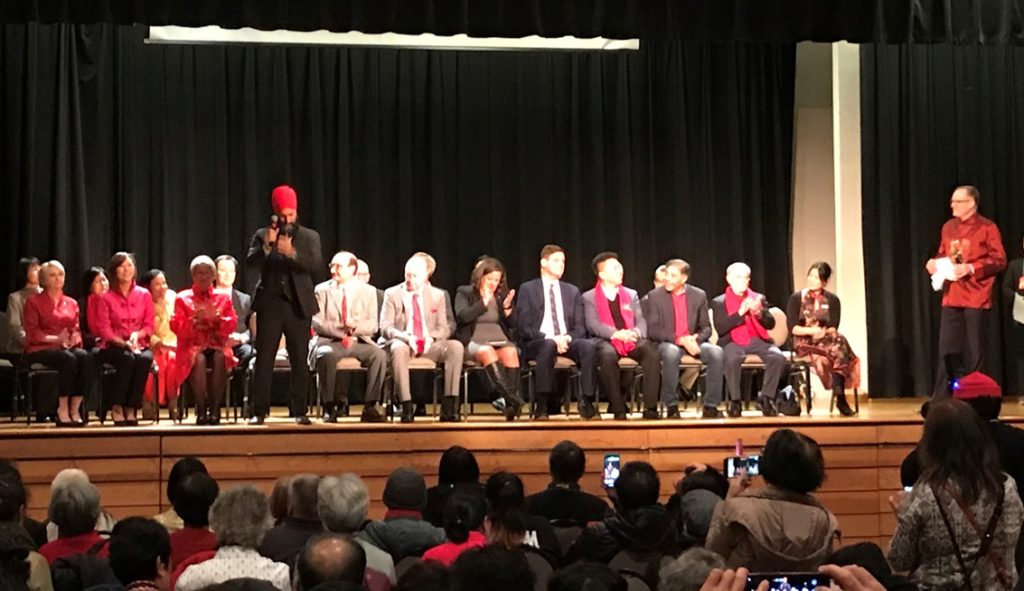
Member of Parliament Peter Julian throws a heck of a Lunar New Year event every year, and this Year of the Rat was no exception. Being at the Nikkei Centre in Burnaby, it attracted more Burnaby folks than New West, but there were a bunch of cultural displays from around southeast and east Asia, mercifully short speeches from the elected types, and general good feelings all around.

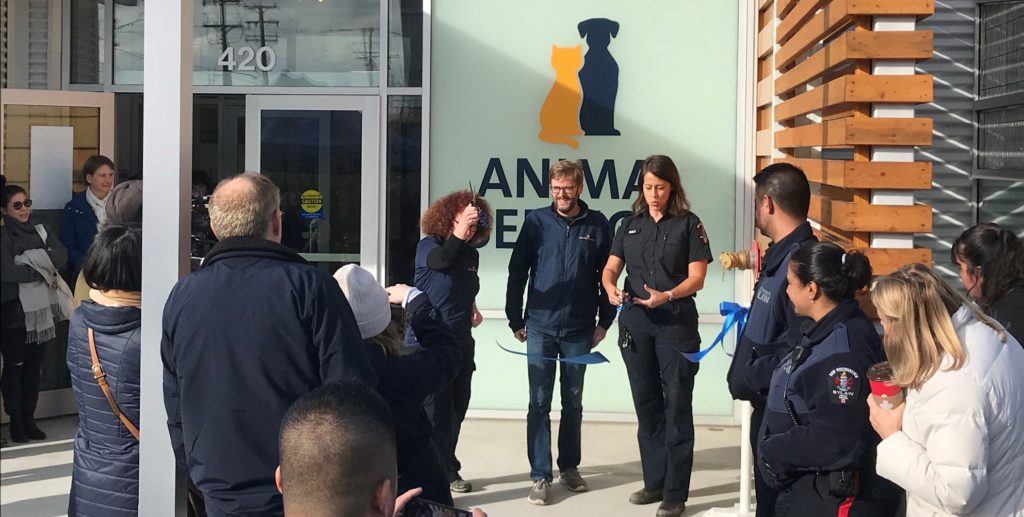
The same day, New Westminster was able to cut the ribbon on one of our significant facility investments of the last few years: a new Animal Shelter in Queensborough. The old shelter was small and pretty, uh… lived in. The new shelter has enough capacity to accommodate the cats, dogs, and various smaller animals that find themselves abandoned in New West, and the dedicated staff and volunteers finally have appropriate workspaces to do their compassionate work.

The opening was really well attended with hot dogs (natch) cake, music, face painting, and tours of the facility. The Mayor and I both took our bikes to the opening, and enjoyed a QtoQ ride back on a cold but sunny day. It was good to see the service being used, even a few full boatloads. Not perfect for the few people has to wait 15 minutes for the next sailing, but a good sign for the popularity of the service.

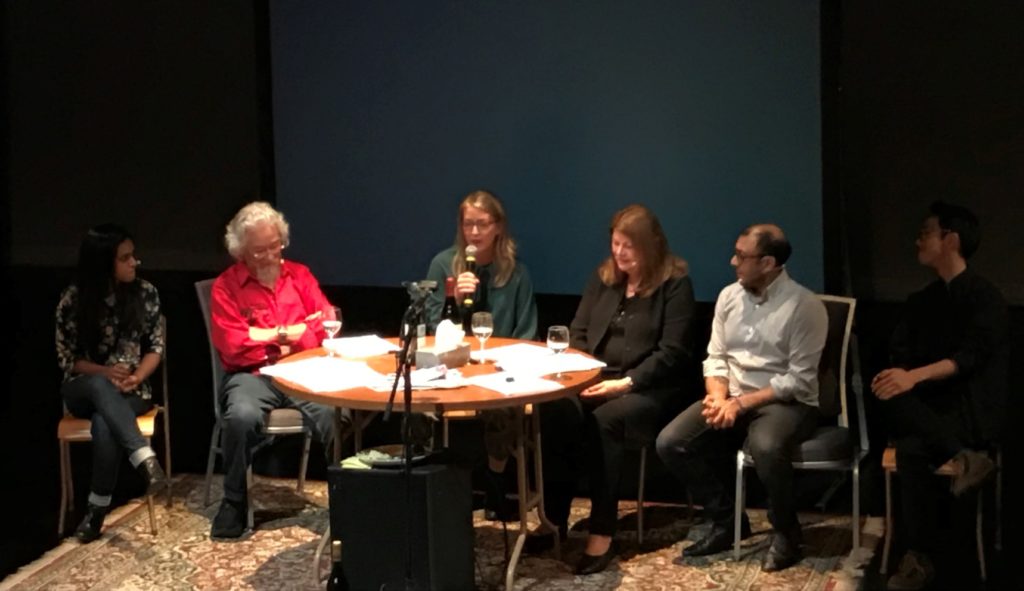
The 2020 Push Festival included a couple of shows at the Anvil Centre, and I was able to attend one called “What you won’t do for love”. This was kind of a play with video montages, but more of a staged read-through of a play still in development. It was the story of David Suzuki and Tara Cullis, told in an engaging format centered around them telling vignettes from their history together at a dinner party. The themes were (of course) about life-long activism and conscience-raising about the environment, but it also talked about a relationship between two life loves, partners, and conspirators.

I have talked about David Suzuki and my mixed feelings about him before in a review of an earlier documentary about his life, and have been at events where he has spoken before, but I have never seen him act as vulnerable or deferential before as when he was sharing a table with Cullis. Perhaps their stories leaned a little heavily on the lateralization of brain function as a determinant of personality (ugh), but the conceit allows them to talk about how they rely on each other and work together. My mixed feelings aside, it was an interesting and informative event with a fair amount of emotional baggage attached, and the almost-full-room crowd was definitely engaged!

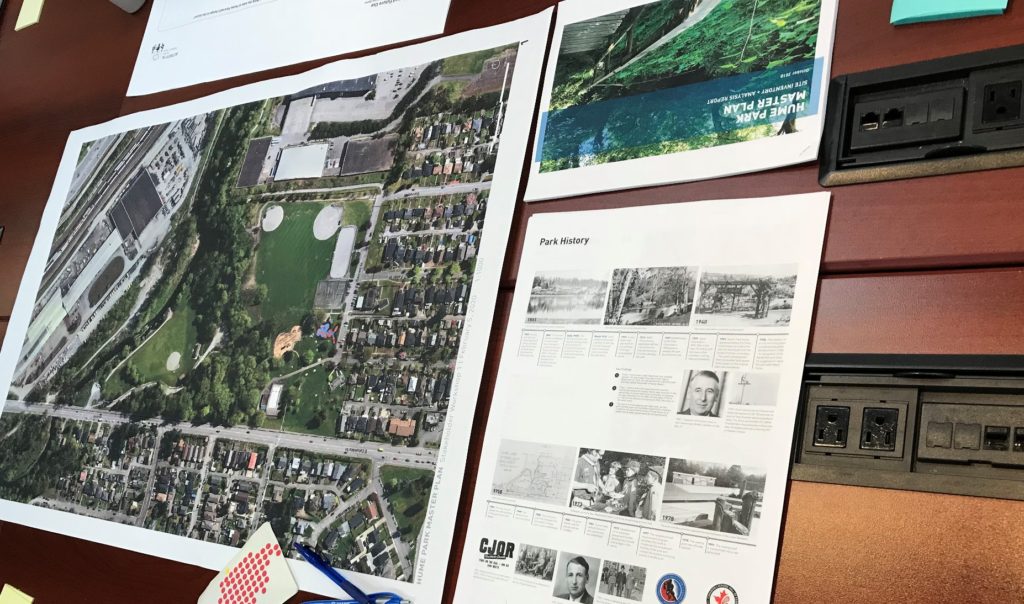
In the less performance category, there was a stakeholder workshop for the proposed Hume Park Master Plan. People from (mostly) Sapperton and identified user groups (Lacrosse, Rugby, HUB cycling, etc.) were asked about how they view Hume Park, what they would preserve, and what they would change. I am not a common user of Hume (though I ride my bike through it often!) so I was mostly there to listen and learn about what is most valued in the Park. I also learned that Fred Hume was not only the Mayor of New Westminster, but went on to be Mayor of Vancouver (though he lived in West Vancouver!), founded the radio station now known as 102.7 the Peak and the Vancouver Canucks, and is in the both the Hockey and Lacrosse Halls of Fame. Yikes.

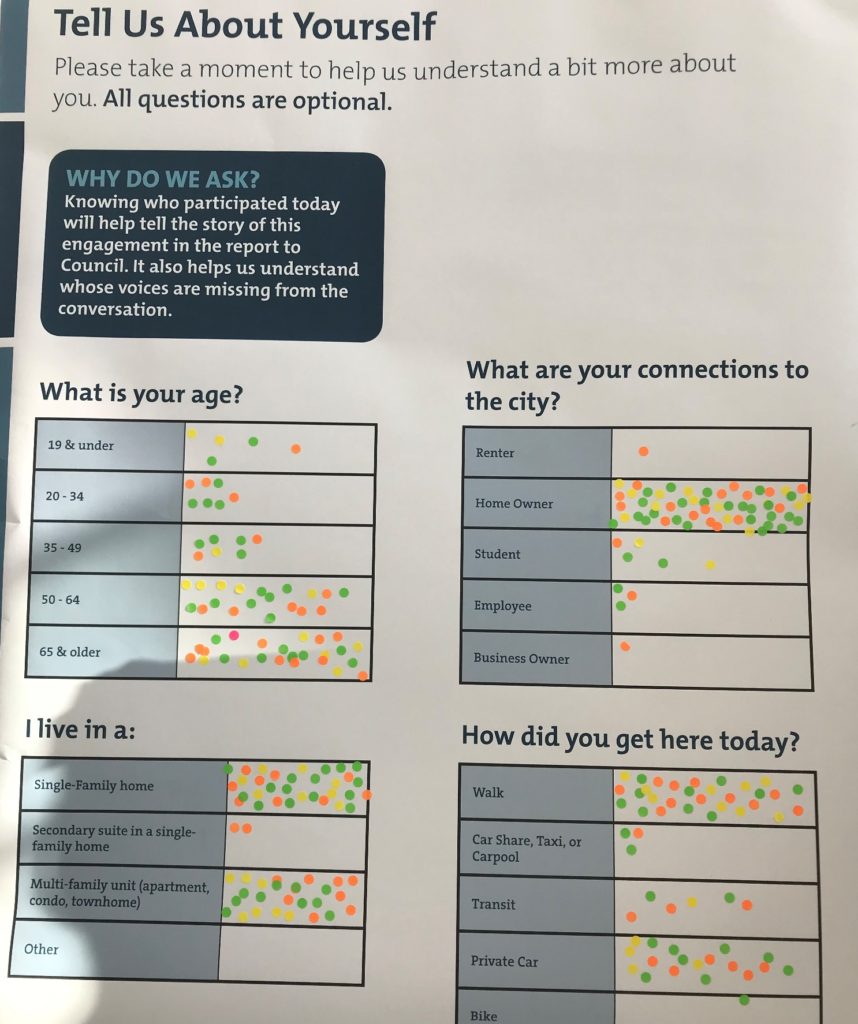
We also had a series of consultations over the last couple of weeks on waste and recycling service. Not sure if you heard, but the recycling centre by the Canada Games Pool has to move to accommodate the construction of the new pool, which is anticipated to start in the next couple of months. This doesn’t mean the City is abandoning recycling, only that we are going to have to change how we deliver recycling. This consultation was meant to help staff understand what the main drivers of recycling are, and what barriers there are to recycling.

At the event I attended, there was a lot of discussion, some people disappointed about the movement of the current yard, some not that fussed about it, and mostly a lot of curiosity about things like collecting curbside glass or limits on green waste. I only wish the participation represented a more representative example of New West residents.

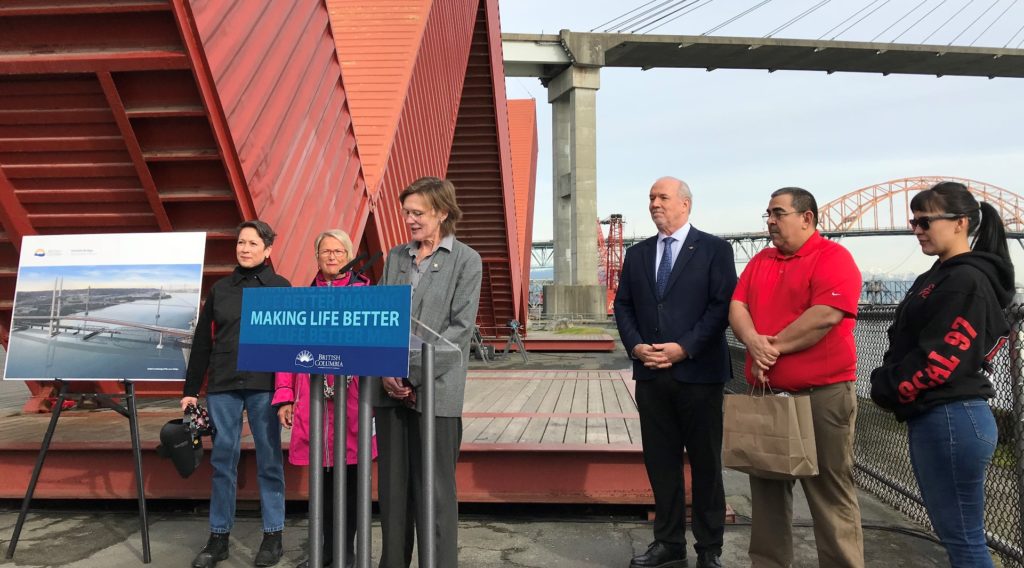
A few of us also attended the announcement at Pier Park that the main contractor has been hired for the Pattullo Bridge replacement project, which I already talked about here.

Aside from that, I had a couple of Task Force meetings, lunch with Councillor Dupont from Coquitlam to talk about Lower Mainland LGA business at a busy River Market, and a meeting over coffee with a couple of members of the New West Fire and Rescue service to touch bases on some of their opportunities and concerns.

I also got a couple of sunny bike rides in!

Two Bridges

A presser was called in New West this week to let people know that the design-build contract for the Pattullo Bridge replacement has been awarded, complete with a first rendering of what the bridge may look like. This is design-build, so expect that early renderings may be adjusted to accommodate the many competing demands and value engineering that the contractor will have to wrestle between now and ribbon cutting.

And then there are the political demands.

This conversation has gone on for a few years, but each new news cycle will require it to be told again. Such are our times. The City of New Westminster, the City of Surrey, and the TransLink (which was the responsible agency for the Pattullo) spent years doing planning and public consultation on the very question of what to do about the Pattullo. A quick scan of this blog finds that these conversations were happening back in 2011, and before I was elected I attended numerous public meetings, open houses, and community events (even dressed for the occasion on occasion).

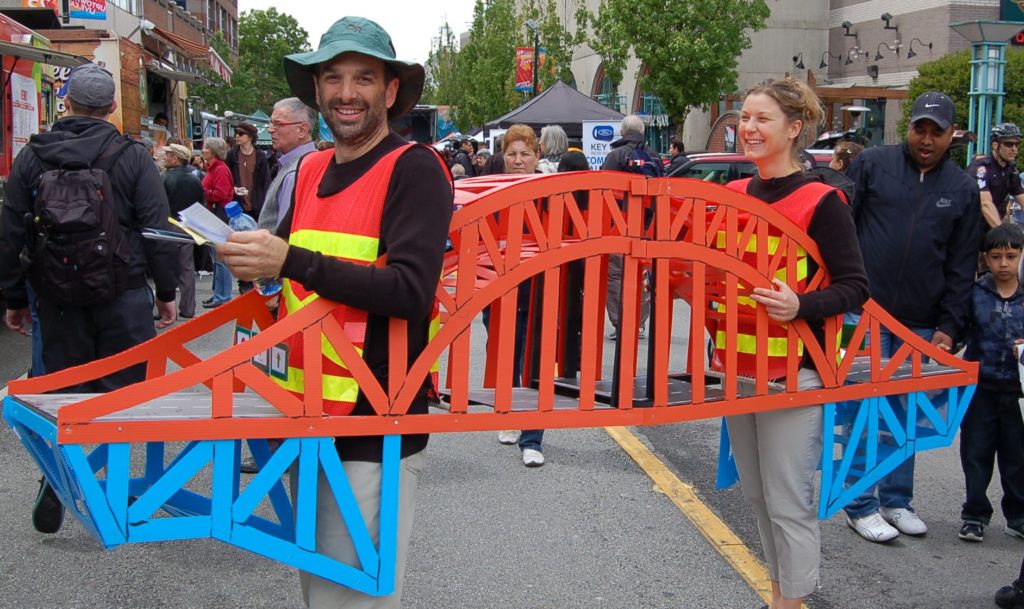
At the end of that work, after all of those conversations in the impacted communities, an MOU was completed between the major stakeholders agreeing that a 4-lane bridge with appropriate ped/cycling connections was the appropriate structure to replace the aging Pattullo. Not everyone agreed, some wanted the bridge closed completely or moved, some wanted a 8-lane bridge and tunnel to Burnaby. If you look closely at the costume above, you will note it features a 3-lane refurbished Pattullo with a counter-flow middle lane, so there is my bias. Clearly, not everyone was going to be happy. As is usually the result if consultations are comprehensive and honest, the most reasonable result was settled upon.

The 4-lane bridge is the project upon which the Environmental Assessment and Indigenous Consultation were framed. It is the project that was taken to Treasury Board to fund, it is the project whose impacts were negotiated with the City at each end. It is the right size for the site, and it is the project that will be built. Re-negotiating those 8 years of consultation and planning now is ridiculous because nothing has changed in the principles that underlie that MOU.

Which brings me to this little news story. It is hard to tell where this is coming from, except for a zealous local reporter in Delta trying to put a local angle on a provincial news release. There is nothing new in this story, no new questions asked or answered, but a re-hashing of staff comments from 3 years ago.

With all due respect to the staff member quoted, those comments from early 2017 are now based on bad data, since the traffic impact issues raised were from before the removal of Port Mann tolls – which everyone in New West recognizes had a profound impact on Pattullo traffic. I have some data on that coming in a future post, but for now this is my (paraphrased) retort:

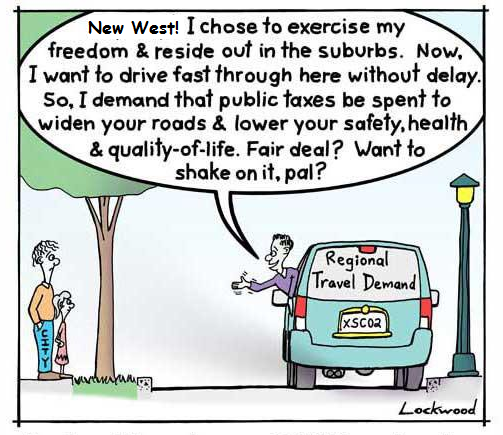
Of course, the Pattullo isn’t the only bridge Delta wants money poured into right now. The patently ridiculous 10-lane boondoggle project to replace the Massey Tunnel has been effectively shelved, but the province is currently reviewing other options. Unfortunately, the currently-leading option would be as expensive and no less boondoggley, doubling freeway car capacity to a low-density sprawling community that still resists the type of density or growth that would support more sustainable urban development, while somehow framing this entrenchment of motordom as a functioning part of a Climate Emergency response. This is a 1950s solution to a 1990s problem.

This is troubling climate denial, as Delta will certainly feel the impacts of climate change more than any community in the lower mainland, but I digress yet again.

The short news here is that Delta wants New West paved over and the people who live here to breathe their exhaust and walk near their speeding boxes. They also want the people of Richmond to pave over more farmland and have their community bisected by more freeway noise and disruption. If accomplished, they will (no doubt) be calling for the people of Vancouver to expand the already-congested Oak Street Bridge and the Granville Corridor and maybe a third crossing of the north arm because their suburban lifestyle demands it. And they want everyone else to pay for it, because tolls are “unfair”.

If this ode to motordom in the face of a Climate Emergency boggles your mind as much as it does mine, you can always let the provincial government know, because they are taking public comment on the Massey Tunnel Expansion Project right now. Go there, remain anonymous, and tell them what you think. I did.

Council – Feb 10, 2020

We had a special Council meeting this week. Instead of a regular night of councilly business, we reviewed four Section 57 filings. We do these on non-regular meeting nights, because they are a little more like a hearing than a regular council meeting, as the owners of the subject properties are able to come and hear their case, and address Council with their concerns.

A Section 57 Notice on Title is a form of soft enforcement the City can apply on property owners who have been found to be non-compliant to building or zoning Bylaws. A notice goes on the on the property title indicating that the property is not compliant with bylaws, and that the City has ordered the property owner to take corrective action. If the corrective action is taken the notice can be removed, but until then the owner may have difficulty selling the property or securing a mortgage on the property. Most importantly, it lets any potential purchaser know that the property is non-compliant, so they don’t get caught by surprise.

The City doesn’t do too many of these, as they are a bit of a hassle and not the only enforcement tool staff have, but they have a purposeful role. I think we have done fewer than a half dozen in my time on Council. The four reviewed during this meeting were:

1: A house in Queensborough where the owner enclosed an outdoor deck and built a living space into the back of their tandem garage. These works were done without a building permit or inspections, and the resultant living space in the house exceeds the zoning allowance by 319 square feet. The original issues were first identified by Bylaws staff back in 2016, and the owner has shown no proactive measures to address the non-compliance.

2: A house in the West End where the owner enclosed an outdoor deck and built an extension onto an elevated rear deck resulting in a house that is 46 Square Feet above the floor space allowed by zoning and 63 square feet more lot coverage than allowed. These works were done without a building permit or inspections. The issues were first identified in 2016, and the owner has not taken any proactive measures to address the issues.

3: A House in Connaught Heights with a slightly complicated ownership history that has made enforcement difficult. This property also had an unlawfully enclosed deck and an illegal secondary suite with significant safety concerns. The livable floor space exceed zoning allowance by 250 square feet, and these works were done without permits or inspections. Enforcement activities have been going on since 2013, and the owner has refused to comply to previous orders.

4: An industrial property in the Braid Industrial Area where three buildings (two tent-like storage buildings and one office space) were constructed without permits or inspections. This site has a complicated history, in part related to the industrial activity on the site.

Council moved to place the Section 57 notices on all 4 properties. Hopefully, this will compel the owners to bring them into compliance, and no further enforcement action will be required.

Council – Feb 3, 2020

February is upon us, the bleakest of months, but nothing brightens up the winter like a Council Meeting! Our Agenda this week began with a couple of presentations from staff:

Economic Development Plan Implementation Update
We got a report on the next phases of implementation in the City’s Economic Development Plan.

Some good stuff has been done, including setting up a “how to” guide to help guide businesses hoping to set up in New West. We are currently working on a “customer journey” audit to better understand the challenges and pitfalls that businesses may have in trying to work with City hall in setting up, hoping to find some efficiencies and help staff see the various processes through the eyes of the applicant coming to City Hall. There is a how to guide available on-line to help new businesses understand the easiest pathway between inevitable hoops. And there are more metrics being collected and reported out on-line to track business growth and economic impact in the City. And some Bylaw service changes to support business licensing better, which came up next.

Update on Licensing and Integrated Services Division
“Integrated Services” is one of those names that could mean basically anything, but in New West it means the department that deals with enforcing (most) bylaws and licensing in the City. Despite the significant growth in the City over the last dozen years, the increased emphasis on progressive enforcement and community outreach, and the introduction of new areas of work (anti-demoviction actions, cannabis retail, ride-hailing, etc.), the department has not grown in staff over that time. They work hard in the Integrated Services division, and it is not easy work. You might want to read the appendix to this report to understand the challenges that our enforcement officers sometimes face when they are at the intersection of unsafe premises, people in distress, and the need to assure public safety.

That doesn’t mean we can’t find better ways to provide the service with the resources we have. This report covers some changes happening in the department to better meet today’s needs. One idea is to shift the License Coordinator position over to a more customer-focused Business License Ambassador role, and more integration with the Economic Development office to assure we are providing the right kind of support for the community. Another is to shift our bylaw enforcement staff from regional coverage (i.e. each take a third of the City) to one where they are responsible for a major category of bylaws – tenant support, construction impacts, and property use.

This is a good news story about staff working hard, achieving great results, and finding efficiencies to reduce the costs.


The following items were Moved on Consent:

Budget 2020 Process – Engagement Results
The 2020 Budget process marks the beginning of a new way of doing things. Staff is working hard to engage the public in a more open dialogue about the budget than we have ever done before. We have had council workshops, public open houses, and on-line surveys to inform people about the budget process, and ask them to help us set priorities. Long before decisions are made, we provided the spreadsheets to the public to show what the plan looks like, and have asked them to give us feedback. This report provides some of that feedback.

I don’t think I want to dive too deep in to the feedback here. I’ve read the detailed report, and there will be time to discuss the ideas in it as the budget process is ongoing. I found it especially valuable to be present at the public workshop and hear the conversations going on around the need to invest in infrastructure, the need to take bold action on climate, and concerns about how much money those things may costs. It is also clear (and noted in the report) that there is a lack of clear consensus, which is what you expect from public consultation.

Massey Theatre Working Group Terms of Reference
This is a follow-up on the motion Councillor Trentadue put forward a couple of meetings ago to put together a task force charged with coordinating the details of a new working agreement between Massey Theatre Society and the City in light of the imminent transfer of the Theatre from the School District to the City. If you are into theatres, committees, or terms of reference, this is good reading! If you are into all three, you really should already be on the board of the Massey Theatre Society (or the Royal City Musical theatre, the Vagabond Players, the Arts Council, or any of the other incredible performing arts-supporting organization in this city!)

815 Milton Street: Heritage Revitalization Agreement (815 Milton Street) Amendment Bylaw – Consideration of First and Second Readings
This heritage house in the Brow of the Hill was protected as part of an HRA in 2005. They now want to make improvements to the house to allow a secondary suite, that includes raising the house by four inches (yes, that is 10 centimeters) and to allow the single off-street parking space to be converted to two tandem parking spots. Because of the HRA an amendment would be needed to make this legal. This application will go to public hearing, but because of the relatively minor nature of the changes and the new streamlined process the city is trying to encourage, there will be no public open house or presentation to the RA. If you have concerns, let us know, or show up at the Public Hearing on February 24th.

510 St. George Street: Development Variance Permit to Vary Height Limit – Notice of Opportunity to be Heard
This homeowner in Queens Park wants to lift their house by 3 feet, in order to have a full basement and basement suite, which would move the roof, which is already a little above permitted, to a little plus three feet. The house is subject to the Heritage Conservation Area Bylaw, but is not an HRA protected house. This change will require a zoning variance that will come to an Opportunity to be Hear on February 24th. C’mon out and tell us what you think.

2223 Ninth Avenue: Rezoning for a Single Detached Dwelling including a Secondary Suite and Detached Accessory Building in a Comprehensive Development Zone – Zoning Amendment Bylaw No. 8180, 2020 for Two Readings
This is an application to rezone a single family lot at the top of Connaught Heights where small house still stand between two much larger houses that sit at higher grade (due to some weirdness that used to exist in our zoning bylaw around grade modifications). So the rezoning also includes some relaxations of the definitions of basement and cellar to allow it to be built in a comparable form to the houses on either side. There will be a Public Hearing on February 24th, so join us for this discussion!

Application for Grant Funding for West End Sewer Separation Program to the Investing in Canada Infrastructure Program – Green Infrastructure Environmental Quality
The City of New West still has some significant areas of combined sewer. This means that the stuff you flush mixes with the stuff that runs off or your yard and the streets and it all goes to the sewer treatment plant. Most modern cities (and newer parts of New West) run parallel systems where the flushing goes to the treatment plant, the rain runoff goes to the river. The bad part about combined is that we pay to pump all of that rainwater to the plant, and now that it is mixed with your unmentionables, we need to pay to treat it all. Also, in really bad rain events, there simply isn’t enough capacity to move all that water to the plant, so some of it overflows into the river –taking your previously unmentioned stuff with it.

So the City is in a multi-year, and terribly expensive, process of sewer separation. We have in the past received grants from senior governments to help pay for this, because the environmental benefits of doing this work expand beyond New West. This report informs everyone that we are applying for more grants to do some more of this work in the West End. Our costs for this come out of your sewer fees, senior government grants will reduce the need to increase your sewer fees. Cross your fingers.

719 Colborne Street: Rezoning and Minor Development Permit Applications for Two Accessory Dwellings – Bylaw for Two Readings
This is an application to rezone a single family home on Glenbrook North to formalize a basement suite and convert the existing accessory building to a laneway house. It is a bit of a unique property, with “two fronts”, one on Colborne and one on Park Crescent. The application will go to Public Hearing on what is starting to look like a busy February 24th meeting. C’mon out and tell us what you think.

457 East Columbia Street: Rezoning and Liquor Primary, Family Friendly Endorsement for Arcade – Report for Information
The Arcade in Sapperton has now been operating for a while under their Temporary Use Permit, and looking to apply for a rezoning for permanent use and a liquor license. There will be some community consultation, and we expect this to come back to Council (and to a Public Hearing) this Spring, so keep your ears open.


The following items were Removed from Consent for discussion:

Update on Intelligent New West Event Planning
The successful Innovation Week programming of the last couple of years is taking on a new form and a new format. One of the concerns of the existing event was that many people wanted to attend multiple sessions, but simply couldn’t afford to take 3 or 4 consecutive days off to see it all. So the week is now broken up to 4 “Intelligent New West” one-day events, spread across the year.

The first will be an expo on February 20th will be the popular Innovation Expo, where local entrepreneurs and business can learn about how to connect with governments, be that earning government procurement contracts or seeking grants or funding for innovative businesses ideas and growth.

The next will be on March 11th at City Hall, where the Department of Nation Defense is sponsoring an event on “Allies and Modern Trades”, how we can create more space in the Trades (including Technology trades) for women, both as employers and as allies. This will be interesting for people training and/or hoping to work in the trades and employers working with trades.

Amendments to the Sign Bylaw regarding Election Signs
Every election year, we get some feedback on election signs. Many don’t like them, some see them as necessary evil, and very, very, few (outside of the printing and coroplast industries) celebrate new election sign season. With some feedback arising from the 2018 election, staff are recommending some bylaw changes. Biggest among them is doing what some other communities have done, limiting election signs to the 2’ x 2’ “lawn sign” size, and restricting the larger billboard signs. This will reduce the visual hazard of signs, and also level the playing field a bit, as the large signs (and their supporting infrastructure) are expensive. There is also a proposal to ban all “car signs” – meaning (as I interpret it), you can neither apply a sign to a moving vehicle, nor “wrap” your vehicle in a sign. The MayorMobile will roll no more.

As this is (obviously) an area fraught with potential political bias, staff are recommending we take these proposed Bylaw changes out to the public for feedback, and also connect with all of the recent electoral candidates (successful or not) to get feedback prior to asking the Council to vote on a revised Bylaw.

Urban Forest Management Strategy – Community Outreach
We want to increase our tree canopy in the City to help meet our Climate Action goals, and to make for a more livable community. Some of the thousands of new trees we will need to plant will be on City lands (Parks, boulevards, etc.), and some will need ot be on private lands (your yard!). So we want encourage new trees on private yards. This report talks about how we will do that.

We will hold an annual tree sale – every property owner can purchase up to two trees at a subsidized cost of $10. There will be a selection of species appropriate for our climate, and staff will provide some instructions on which type fits best in your chosen location and how to keep your tree alive the for couple of years until it is established;

We will also provide a rebate program for residents that choose to go to the nursery and purchase their own tree for their property. Much like the nematode program, you buy a tree, you put it on your property, you keep it alive, we will give you $20.

Finally, we are going to introduce a program to “adopt” the boulevard tree in front of your house, to connect the homeowner with sources of info to keep their boulevard trees healthy- such as summer watering schedules, mulching, and giving the city notice if the tree is looking damaged or unhealthy.

And that was the work part of Council this week, though we had some interesting delegations that you can enjoy on the Video!

This Happened (v3)

I think I found the right title for my “community” posts, because this is really just a run-down of things that happened that I happened to be near as opposed to things that happened because of me or things I made happen, though some of those may happen to slip in. Passive voice -me is not what it is all about! Since this is the third in my recent resurgence of this topic, I’m starting at v3. Don’t @ me.

Events this last week had a distinct volunteer-and-community-builder feel.

The annual Civic Dinner is an event where we ask the many volunteers to City committees, task forces, commissions and other roles to come together and break bread. It is a fun night (see above), and one previously known for sometimes too long but nonetheless sincere thank-you speeches from all the councillors. A few years ago when this started to verge towards hours of speeches, the shift was made to councillors recording a short video. This makes it easier for everyone to sit through, but also gives us more time as councillors to circulate during dinner and thank folks personally. It also afforded people one last opportunity to laugh at the beard.

I had to run out right as the video started (my curling team awaited!) but I tried to circulate before and connect with everyone. If you served on a committee with me (or any committee for that matter), and I missed you, apologies, but know I really do appreciate the hours of work and valuable advise the volunteers in that room provide to staff and Council. And many of you I will see again as the new committee season starts now!

On Friday, there was the opening of the new temporary exhibit at the New Westminster Museum, “An Ocean of Peace”. This exhibit celebrates 100 years of Sikh community building in New Westminster, mostly around the Gurdwara Sahib Sukh Sagar on Wood Street. This exhibit was assembled by collecting the stories and artifacts of people who live in our community – not only the leaders and founders, but the everyday people who have for several generations made New Westminster and the surrounding areas home. The opening was incredibly well attended, with generous food provided by the Gurdwara. It is worth while heading down to the museum in the next couple of months to the temporary exhibit space and learn a little more about the history (and current life!) of New Westminster.

Saturday was the annual Festival of Volunteers at Royal City Centre, brought to you by New Westminster Volunteer Connections. This small event attracts a lot of not-for-profit organizations to set up booths and let people know what volunteer opportunities exist in the City ,and generally promotes the good works of local non-government agencies. I had great chats with my friends from HUB (who have a revitalized and active local New Westminster group). Pride New West, the New West Hospice Society, the Arts Council, and many other groups that keep the social and advocacy life buzzing in New West.

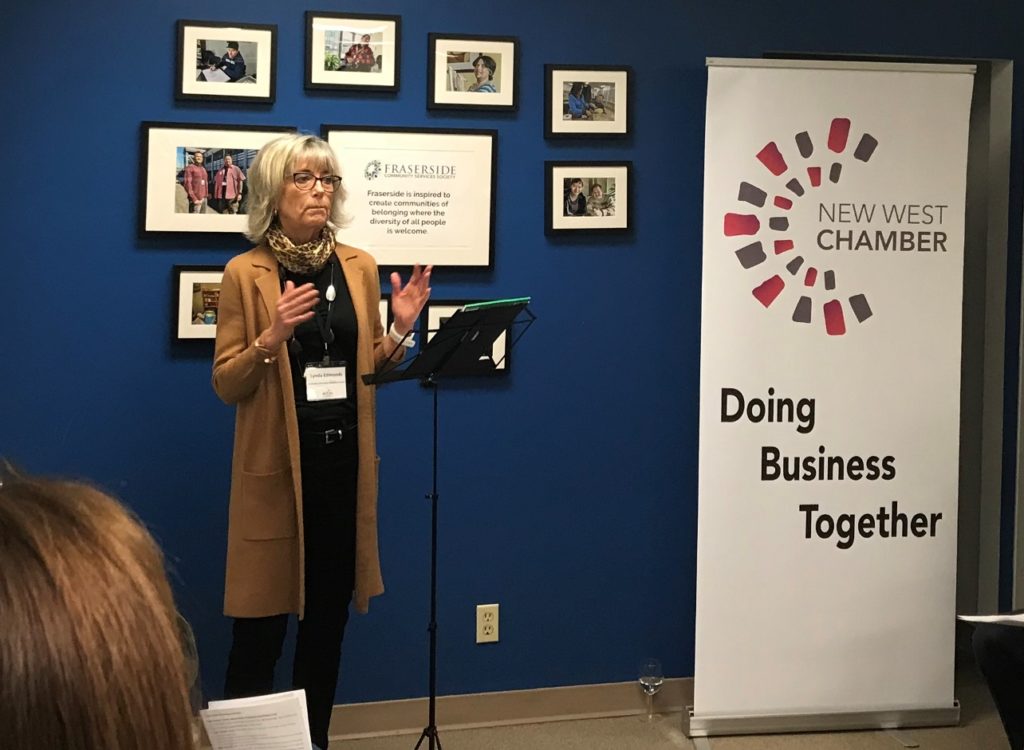
Thursday there was a well attended social put on by the New Westminster Chamber of Commerce, hosted by Fraserside Community Services. The Chamber is really stepping up their “making connections” program in the community, and it was great to see an event hosted at Fraserside. They have been working for more than 40 years in New Westminster to help people with barriers to community integration and employment achieve a fuller life, with job placement, housing support, counselling, and more. Minister of Mental Health and Addictions Judy Darcy was there as well to talk briefly about the challenges of her portfolio, and the work ahead, and a brief profile of the many, many programs Fraserside provides from their CEO Lynda Edmonds (who was smiling every second, except when I took this picture!)

Finally, I attended my first meeting with the Glenbrook North Residents Association as their “council Liaison”. It happened to be their AGM, so I got to watch the cut and thrust of RA elections. We also talked a bit about how the RA wants this new “Council Liaison” role to work, and I answered a few questions about the Canada Games Pool, the recycling Centre and (of course) traffic. The GNRA seems to have a strong, engaged executive base, and I encourage folks between Avenues 6 and 10, and Streets 6 and McBride to join them at a meeting (it’s Free!) and learn more about what is happening in your neighbourhood.

Council – Jan 27, 2020

Our meeting this week was a short one agenda-wise, but we made up for it with and afternoon workshop that involved discussion about the upcoming Climate Action public consultation, Council expense policy, and the Regional Growth Strategy. More on those in later posts. We also had some Public Hearings, but we got through our Regular Agenda first:

The following items were Moved on Consent:

Freedom of Information and Protection of Privacy Act Report for 2019
The City is subject to the Freedom of Information and Protection of Privacy Act, which means we have staff who answer to requests for info, and through the framework of the FOIPPA, screen that info for privacy protection concerns before releasing it to the applicant. Annually, they report out on the number of requests and response rate.

Requests have been going up in the last few years. Most applications are related to insurance or legal claims, usually between parties that do not include the City – so things like car crash reports and building inspection reports are common targets. Staff have provided responses within the regulated timeline (30 days) in all cases, which is the goal. Of the 86 requests in 2019, two were forwarded to the provincial Commissioner.

Carter St. Access Road Project – 2019 Budget Variance
As the TMH project in Queensborough is finally coming along, the work the City has long been planning to do to improve the road access to the Queensborough Community Centre coincides with the need to provide road access to the housing – the so-called “Carter Street”. Building roads and bringing old ones up to modern standards in Q’boro is expensive because of soil conditions. In this case, it is a cost-sharing between BC Housing and our existing paving and sewer rehabilitation programs. This cost was always anticipated, but timing has changed, and with the 2020-2024 Financial Plan not completed yet and the road needing to get built, we need to give official authorization to pay for this work (which would normally come with that Financial Plan)

Recruitment 2020: Appointments to Advisory Committees, Commissions, Boards and Panels
Here are the new Committee members. We changed a bit how appointments were made this time around, with staff providing an early screening and recommendations based on providing appropriate skill sets and lived experience from across our community. But Council ultimately has to approve the appointments. If you applied, look for your name here. If you were not selected, please apply again next year, because the new selection process should also increase the turnover of applicants. For everyone who volunteers for City committees, thank you! For those on the FIPRAC and STAC, we will see you soon!

Recruitment 2020: Appointments to the New Westminster Library Board
We also appoint people to serve on the Library Board!

Release of Council Resolution from Closed Meeting: Massey Theatre Working Group
Now that the Theatre Strategy is passed and being implemented, the timing is appropriate for us to have a conversation with the Massey Theatre Society to determine how we can get the most out of our continued relationship in both the Anvil Theatre and the Massey Theatre.

301 Stewardson Way: Development Variance Permit to Vary Sign Bylaw Requirements – Consideration of Notice of Opportunity to be Heard
You might have noticed Key West Ford did a bunch of renovations to their buildings at their dealership at 3rd and Stewardson. They now want to replace their signage, and the unique character of a car dealership doesn’t really mesh cleanly with our Sign Bylaw, which is meant to reflect somewhat more urban settings. So Key West is asking for a sign Bylaw variance. There will be an Opportunity to be Heard on February 24th, so come on out and tell us what you think.

Major Purchases September 1st to December 31st, 2019
This is our every-four-months report on major purchases by the City, so you can see how we spend your money, and the results of our public procurement processes. This also discloses and sole-source contracts we give out, to keep our spending transparent. .

2019 New West Grand Prix
This is a reporting out on the New West Grand Prix, which has become one of the keystone summer events in New West. We have more sponsors coming on, and attendance is up, even if the weather wasn’t perfect this year. Some of the goals around supporting the kids race and getting downtown businesses more engaged were met, and we had (as always – thank you New West!) a tonne of volunteers. We also underspent the budget thanks to some cost efficiencies by staff and 1/3 of it being covered by expanded sponsorship. On to 2020!


The following items were Removed from Consent for discussion:

Proposed Child Care Facility Ownership and Management Policy and Provincial Child Care Funding Update
The City is supportive of new Childcare facilities. It is well known that there is a childcare crisis in the City, and has been for a while, but both the City and the provincial government are working hard to address that gap. Of course, “available” and “affordable” are two different things, and we need to improve both.

The current model for most affordable daycare is to have some form of not-for-profit receive subsidies to provide the service that the market simply will not fulfill. The big start-up capital cost is impossible for that model, so the City is making spaces available in City buildings (the QCC, and the CGP replacement, for example) and is leveraging development amenities to get childcare spaces built as part of new buildings.

This policy will help guide what type of operator is appropriate for these City-supported facilities, and where the division of responsibilities lie, like who is responsible for building repairs or utilities in these models? The report here outlines a proposed policy framework to answer these questions and provide some certainty for the operators.

Investment Report to December 31, 2019
This is our regular end-of year report on our investments, for the public record. The City has about $179 Million in the “bank”, most in reserves set aside for upcoming capital projects. We made $4.3M on those investments this year, but the City invests in a pretty low-risk way.

Following up on previous motions from Council to look at divestment from fossil fuels, there has been some progress through the City of New West lobbying the Municipal Finance Authority and other municipalities interested in climate action. It is too early to make any kind of official announcement, but the MFA is working on it, and we may hear something as soon as this spring.


We then adopted the following Bylaws:

Development Approval Procedures Amendment Bylaw No. 8152, 2019 and
Development Services Fees and Rates Amendment Bylaw No. 8153,2019
As discussed on December 9th, these Bylaws that adjust the fees for some development service fees as part of our larger process streamlining were adopted by Council.

Building Bylaw Amendment Bylaw No. 8161, 2020
As discussed last meeting, this Bylaw that changes the Building Bylaw to help us support higher-efficiency buildings through the BC Energy Step Code and applying a performance bond on new buildings, was adopted by Council.

Development Services Fees and Rates Amendment Bylaw No. 8177, 2020
As discussed last meeting, this Bylaw to adjust Development fees (once again!) to increase out Preliminary Application Review Fee was adopted by Council.


We also had a single item of New Business

271 Francis Way
We had a delegation a few months ago about a conflict between Onni and a Strata in Victoria Hill around parking. Our staff has looked deeper into the issue, and in this motion, Council directs staff to take no further action on this issue. I don’t want to talk further about it right now, because this involves a conflict between two parties in the City and I think it would be inappropriate for me to interject myself in this blog.


And after a short break, we had three Public Hearings:

Official Community Plan Amendment Bylaw No. 8151, 2019
This is a bit of an Omnibus OCP amendment to fix a few anomalies in the existing Official Community Plan.

This includes shifts in the Land Use Designation for four specific properties. These are not rezonings of the properties, and are not the result of anticipated change in land use, but the shifting the OCP designation to reflect current use.

361 Keary Street: this property is designated as residential detached on the OCP, but is zoned as multi-family low rise, and has a small apartment building on it. Not fixing the designation during the OCP update was an oversight, and we can fix that now.

345 Keary Street: This property was meant to be designated as residential detached during the OCP process, but was delayed to give a chance to consult with the owner. That consultation has happened now, so staff are proposing the change now.

1906 River Drive: This property is designated as residential detached, but has been zoned heavy industrial for some time, so the designation will be changed to reflect the zoning.

522 Fader Street: this property is designated as residential detached, but is owned by the School District and they requested that it be changed to Major Institutional.

There are also some changes in in language in the Queensborough Community Plan to make the language match the 2017 OCP, and a few grammatical changes in the OCP.

Finally, there are a few process changes here in how we do approvals to streamline the processes. Some Development Permit approvals are being delegated to the Director of Development Services (with an ability to raise them to Council if there are complaints or conflicts arising). Also, some minor DPs (e.g. under $100,000 in improvements) will go straight to staff.

We had one written response and one speaker at the Public Hearing, mostly seeking clarification about how this differs from a rezoning, and expressing concern about one of the properties changing use. Council gave the OCP change Third Reading and Adopted it.

Zoning Amendment (111 First Street, 115 & 117 First Street, and 118 Park Row) Bylaw No. 8175, 2019
There are three properties in the Queens Park neighbourhood around First and Royal that have duplexes on them, but back in 1987 for reasons unknown (but rumored about), they were re-zoned as residential single detached without the consent of the owners. We are now changing them back.

We received three written submissions in support, and a couple of delegations. A couple of the delegations raising concern were confused about the meaning of the rezoning and about the history of one of the sites, but it was never clear to me what their actual concern was- as they never expressed a reason for opposing the change, except that they didn’t understand it. Council gave the Bylaw Third Reading and Adoption.

Zoning Text Amendment Bylaw (230 Keary Street, 268 Nelson’s Court and 228 Nelson’s Crescent (Brewery District)) No. 8164, 2019
The developer of the Brewery District wants to shift some of the land use for the buildings on the site. Wesgroup would like to provide more “Purpose Built Rental”, or Market Rental (as opposed to strata condo ownership) in the Brewery District in exchange for more height (but no increase in density – so taller-but-narrower) for another building on site. This will also shift some of the formerly “omnibus” landuse- which is kind of an open designation that will allow any of residential, commercial, or health care.

It is a bit complicated, but this is how the land use for the three buildings breaks down:

Building 5 (228 Nelson Court) is under construction:
Approved: 80,000SQFT Strata Residential, 82,000 SQFT Market Rental.
Change: 162,000 SQFT Market Rental.

Building 7 (268 Nelson Court) is not yet started:
Approved: 260,000 SQFT “Omnibus”
Change: 210,000 SQFT Market Rental, 50,000SQFT Health/Commercial

Building 8 (230 Keary Street) is not yet started:
Approved: 300,000 SQFT Health/Commercial
Change: 200,000 SQFT “Omnibus”, 100,000 SQFT Health/Commercial

So the end result if these changes are approved:

Landuse             Before SQFT     After SQFT
Strata                     81,000                   0
PBR                        82,000                  371,000
Health Services   300,000                150,000
Omnibus               260,000               200,000

We received on letter in opposition and one delegation from the proponent. In a split vote, Council votes to give this change Third Reading. To me, the commitment to more purpose built and secured market rental in the Sapperton Neighbourhood (more than a quadrupling of the rental density) was the most important consideration. We have been building a lot of rental in New West, but are no-where near closing the rental gap. Seeing the development community commit to rental in New West is a positive for the community.

And that was a night’s work!

Uber alles

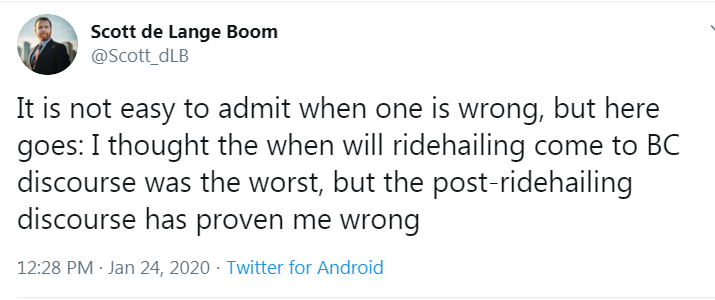
I have tried to avoid the social media storm that is the long-awaited arrival of large, legal ride-hailing operations in Greater Vancouver. Though I think this tweet sums up my feelings at the end of the day yesterday:

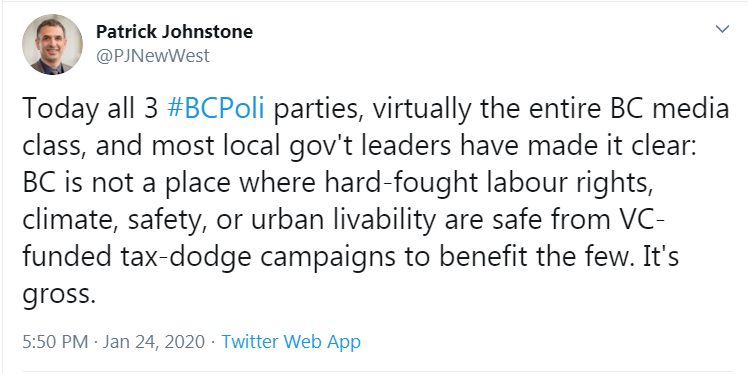
And eventually, during a transit ride home that I drafted my subtweety response:

So, it is clear that I am not excited about the arrival of Uber and Lyft, despite the almost constant media saturation and lobbying pressure from Uber Spokesfolks (in contrast, I have not received a single letter, e-mail, or phone call, or invite for a meeting from the Taxi industry on this topic). My tweet lead to a few questions from people who have never connected with me on social media before. It was also referenced in a local Reddit comment thread, so I drafted up a Reddit response. Apparently multi-platforming is the hot thing in media today, so I figured I would re-draft the Reddit response for a blog here, without even taking time to edit out all the damn brackets, because who has time? Here we go!

In response to concerns that Uber or Lyft are not available today in New West (or Maple Ridge or Delta), I need to clarify that ride-hailing companies will decide what areas they want to serve. It should hardly be surprising to anyone that they are concentrating on areas already served well with transit – those are the areas where there is a density of users and destinations to support the business case of ride hailing. Because it is the same business case that supports Public Transit in the neo-liberal model of service delivery.

The regulations created by the provincial government are really clear: local governments cannot prevent operation of ride-hailing within their borders. They can regulate the service by requiring things like business licences and set conditions for pick-up/drop-off in their road and parking bylaws, but they can’t just say “no”. In this sense, the Mayor of Surrey (in my humble opinion)is blowing smoke. He could, I guess, create a regulatory and licencing regime that is so difficult to navigate that no-one bothers, but I seriously doubt he has the enforcement personnel to make that effective. I guess time will tell how that works out.

New West is working with regional partners to set up a regional business licence system for ride hailing, we talked about it back in November, and the best update I have is that staff in the many municipalities are still hammering out the details. Unfortunately, the sausage-making of making harmonized regulations work between all these jurisdictions is difficult, and they really couldn’t get started until the provincial regulatory regime was made clear. Such is government.

My understanding (and I stand to be corrected here) is that ride hailing companies licensed by the Passenger Transportation Board to operate in the Lower Mainland can operate in New Westminster (and Surrey and Coquitlam, etc.) right now. There will be a period of shake-down as they get their drivers organized, their service areas worked out, and local governments get the licencing requirements (and enforcement processes) organized. It’s a new world, and there is nothing unique about this as these kind of choppy launches occurred in every single jurisdiction where ride-hailing launched.

My personal opinions about Uber and Lyft have very little impact on this. As I mentioned, back in November, New West Council set out the framework for staff about how we feel ride-hailing should operate in New West. Some parts of it I agree with, some I don’t. My concerns about labour rights, environmental impacts, road safety, traffic impacts, transit system impacts, and neighbourhood livability are based on a *lot* of research about impacts of ride hailing in other jurisdictions. It has also proven in other jurisdictions that most of the promises of ride-hailing (cheaper! more convenient! fun!) are false, and the entire business model is propped up by massive financial losses. The system itself is not sustainable, which makes me wonder why we are rushing into embracing it (see “media saturation and lobbying effort” above). I trust urban transportation experts like Jerrett Walker on this more than I trust the well-oiled Uber/Lyft marketing machine. The Taxi system is not perfect, but I have gone on at length (note this piece from several years ago) about how it is actually the arcane regulation of the industry that makes it not work the way we might like. But that’s another rant, and times have changed since I wrote that piece. Not for the better.

But that said, my (Council) job is partly to advocate for things that make the community stronger and more sustainable, but it is equally to assure the City is run as effectively and responsibly as possible. Ride-hailing is here, (some) people want it, the local government job is to work to reduce the inevitable externalities and make it work as best as possible in our community. Of course, one of those externalities is that this “cheap” transportation option is going to cause your property taxes to go up a little bit. Uber and Lyft don’t pay taxes to the City, and regulation and enforcement are not free.

You may not like Uber or Lyft, but due to powerful lobbying and a brilliant international viral marketing program, you will be paying for it.

Community, Jan 24, 2020

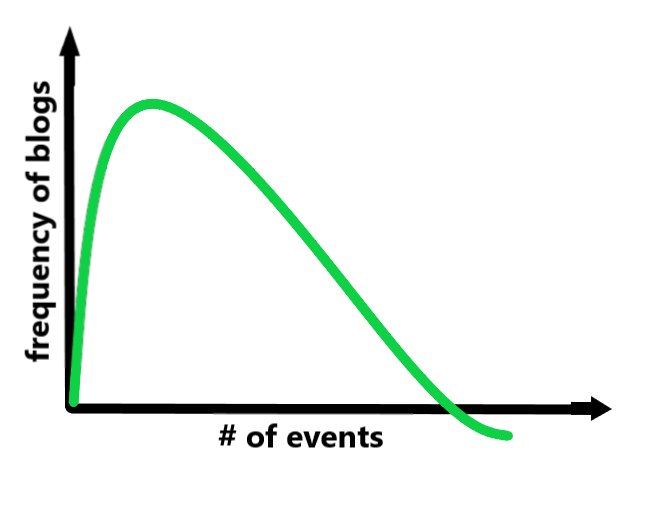
OK, so maybe I already missed the mark on my soft promise of weekly updates on my council-related community activities, but let’s call them almost-weekly, and if we can keep ahead of fortnightly (although I love the term), and we can call this a success. It is going to depend on how many things I have going on, and how much time I have to write about them. Whish will result in this strange curve, because eventually I get to busy to write about them at all. And how much time I spend trying to use MSPaint to draw curves of phenomenon in my life:

Since my last of these community updates, we ran into snowpocalypse or snowmageddon or whatever, so a few events were cancelled. Most notably, I made it to the Queensborough Residents’ Association meeting just as the power outage caused a cancellation, and the New West Collective (a peer-to-peer support and networking group for local small businesses) wisely chose to delay their quarterly-or-so gathering until proper spring weather arrives.
Many may not know I am a member of the board of the Lower Mainland Local Government Association, which is an area association representing 33 local governments (municipalities and regional districts) from Hope to Vancouver to Pemberton. We had an executive meeting last week which was spent mostly on organizing our AGM and convention in Whistler. It looks like a great program is shaping up, and I look forward to reporting out on it in May.

We held the last meeting of the Intelligent City Advisory Committee last Friday. This committee operated for about a decade, and provided some valuable guidance to Council and staff on the Intelligent New West initiative. As Council re-organized the committee structures in 2019, this was one whose role was re-evaluated, as INW is now operational, the City has a Strategic Plan for INW and there are staff responsible for all three “pillars” of INW. The “council advisory” role under INW will now be part of the Economic Development and Advisory Committee’s mandate, but there are aspect of the INW program that will also fall under Public Realm, Public Engagement / Inclusion, and the Electrical Utility Commission. There were a few members of that Committee not happy with this direction, and Council will be reviewing how to assure that the INW Strategic Plan is measured and reported out. More importantly, the City needs to recognize that there is a real braintrust of people who understand the digital economy and how information technology is evolving regionally (and globally) as the Internet of things and 5G networks become our reality. New West has some unique advantages here, we need to be vigilant to make sure those opportunities are not lost.

Last week, the members of City Council and a few senior staff members attended a special training session as part of our ongoing Truth and Reconciliation work. We had Brad Marsden lead us in a workshop around improving our understanding of the history of Residential Schools and Colonization, and its impact on Indigenous and Urban Indigenous Peoples. This was a powerful and emotionally draining session, and I understand New West is the first “Mayor and Council” to take part.

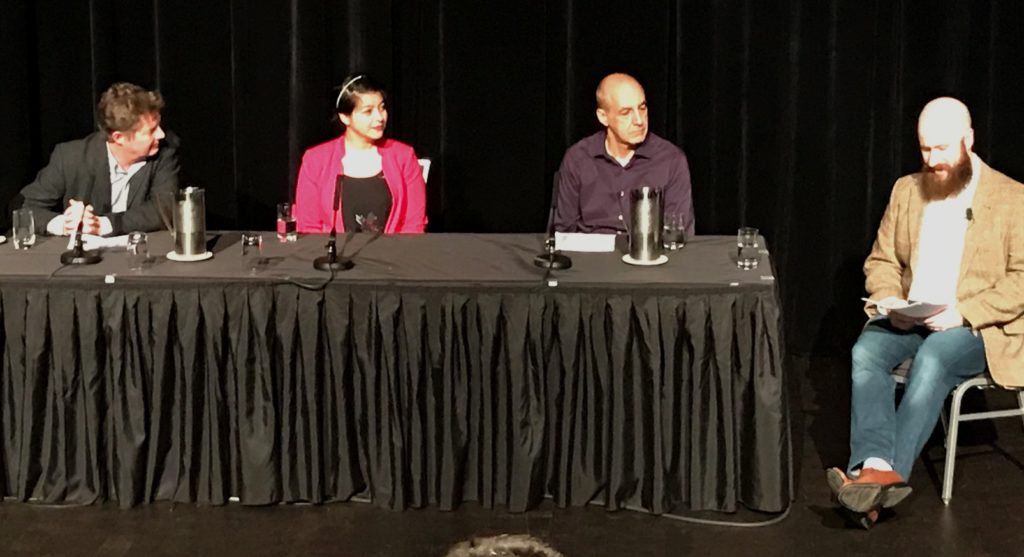
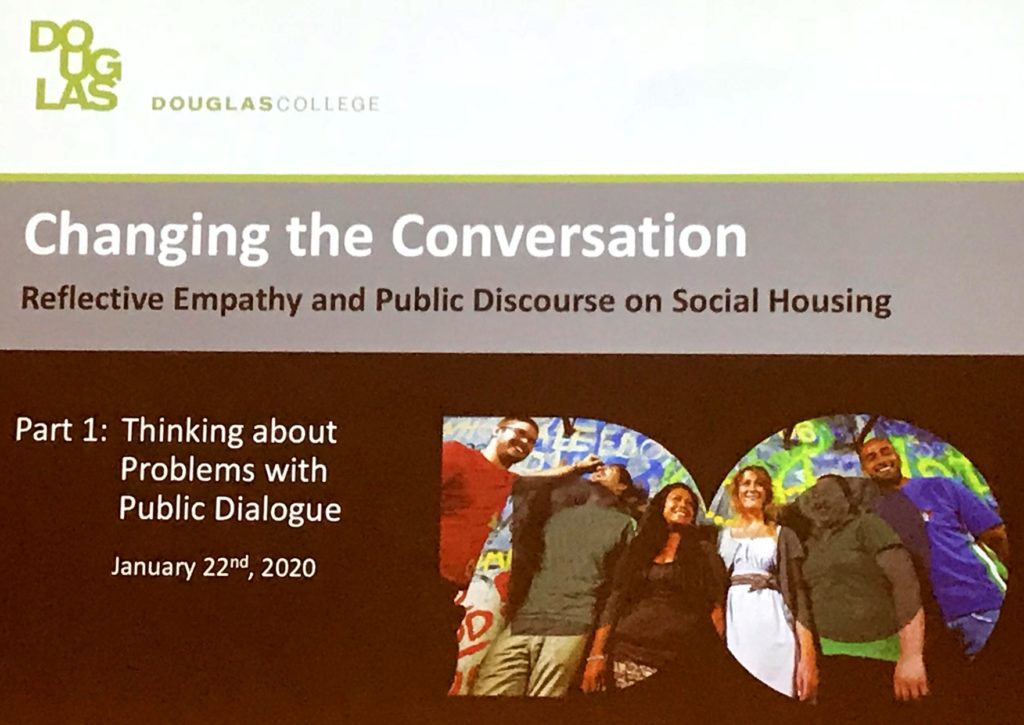
This week I was also fortunate to be able to attend the first in a three-part public conversation about changing the conversation around social housing. Led by the Douglas College philosophy department, this series seeks to explore how we can have better public conversations about social and supportive housing in our communities:

The first session put the conversation in context with an introduction by Elliot Rossiter (who wrote this great opinion in the Record recently), followed by short presentations that talked about the history of housing in New West and Canada, from the criminalization of “vagrancy” in the City’s early days through the complex social programs that virtually eliminated homelessness as we know it in the decades after WW2, to the neoliberal shift and commodification of shelter that made “unhousing” of people a common occurrence for the first time. This was followed by a panel (including Councillor Nakagawa) talking about how we can improve the community conversation about providing housing, and move past the stigmatization of people who are victims of the complex systemic and societal failure that is poverty in Canada.

Sorry, Phil, but the “neolibralism” count I got from the panel was 7. All on mark, from people who actually understand the meaning of the term.

There will be two more talks in this series that are more about exploring potential solutions than naming the problems. If you care about justice, about local governance, or even about how your neighbourhood can have better conversations about housing, you should come out! It’s free!

Finally, in the last week I had a Canada Games Pool Task Force meeting, an Electrical Commission meeting, and a less formal meeting with one of the guiding lights in the New Westminster Environmental Partners, to talk about how they view our current recycling situation, and some great initiatives they are hoping to lead around raising the profile of the Brunette River as an ecological asset in New West.

Depot

As you may have heard, the current recycling centre adjacent to the Canada Games Pool has to close, and the services are being relocated to United Boulevard. For the best part of a year there has been a lot of discussion (mostly on social media) about what this means for our City’s commitment to recycling. Even the Record took the unprecedented step of making something that hasn’t actually happened yet their top news story of 2019.

Last Monday, there was both a report to Council from our engineering department on developments in the city-wide recycling program, and a number of people came to Council to delegate on the imminent closure of the recycling depot. Many of them came to speak in support of a an on-line petition promoted by a local political party asking that the current recycling centre be kept open. I find on-line petitions are a terrible way to gauge people’s opinions for several reasons, but this is an entirely different blog that I will maybe write someday. For now, I would rather address the report that came to Council and what I heard at the delegations.

First off, we need to be clear about why the current facility is closing. Through two years of consultation on the replacement of the CGP, it was clear that the community wanted the existing facilities to remain open and operational until the new centre is opened in order to maintain continuity in programs and offerings. This decision fundamentally shaped the new facility and the site plan.

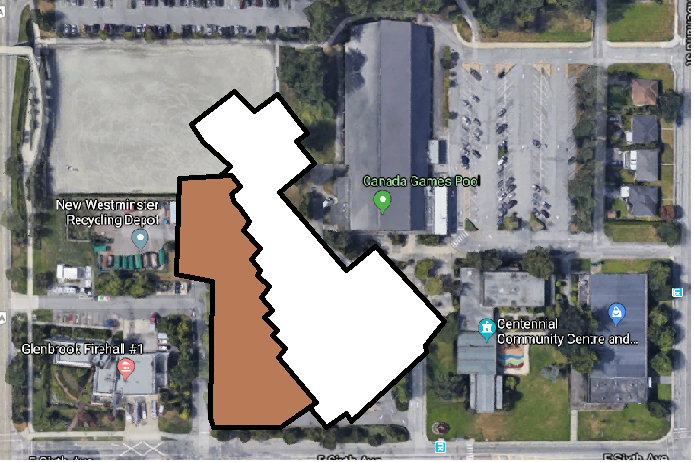
Those conversations around the new facility answered the big questions (25m or 50m pool, one or two gyms? Daycare? Meeting rooms? etc.) and we settled on a fairly large structure – over 100,000 square feet. After a tonne of work by the architects and engineers, it was determined that the facility would not fit well on the parking lot to the east of the Canada Games Pool, and due to some utility issues and uncertain ground conditions related to the old Glenbrook ravine (which used to extend all the way to 8th avenue!), the only place where this large a facility fits is snuggled alongside the existing pool and community centre on the west side:

A rough drawing of the footprint of the new recreation centre (in white) and landscaping/entrance area (brown) that will be required for laydown during construction. This area (and much of the all-weather field to the top left) will be an active construction site. This is a rough drawing, I did it in MSpaint(!) based on drawings available here, please don’t use for navigation.

That means that the front parking lot will need to be excavated, meaning for two years the main road access to the current recycling depot would be a hole in the ground then an active construction site. Again, the engineers looked at a few options including shifting the one-way road adjacent to the fire hall to two lanes and providing temporary direct access off of McBride, but no solution was found that would meet safety standards our engineers demand.

This speaks a bit to the problem with on-line petitions. Several hundred people in New West signed a petition asking the City to do the one thing we could not do, unless we were going to turn our back on 2 years of public consultation and more than a year of architecture and engineering work. The author of the petition knew this, which is another example of how disingenuous politics are good at creating a scene, but not at finding solutions. Finding solutions is harder work.

Some have suggested that the recycling facility (even temporarily) be moved to the east parking lot. Staff have (of course) looked at this, and from what I hear, I cannot support that idea. The east parking lot has about 120 parking spots to support a recreation facility with more than a thousand visits a day, and a curling rink with a capacity of about 100. A parking spot for every 10 users is a very, very low number, and this is already certain to cause significant neighbourhood and user group stress during the building of the new facility. Moving even a shrunk-but-still-workable recycling depot to that spot would mean removing about half of those remaining spots. This challenges our earlier commitment to keeping the current facility functioning and accessible during constructions.

For all of the political hay-making and quoting of Joni Mitchell, this is just a question of geometry.

So the status quo is not viable. What do we do now? Some of the delegates provided some good ideas, and I think that it was useful to hear what types of recycling people are most stressed about. I think for many people in the City, the new joint recycling depot on the Coquitlam border with more services than our current facility, longer hours, and easier access to SkyTrain, will provide more convenience. I also recognize that for some people, this change represents a change to their established patterns and extra inconvenience.

We have not really had a robust conversation with the community about what that change looks like for them, and I recognize that was a communications and engagement failure on the City’s part. Over the last couple of months a few people have asked me questions about recycling, I have met a few for coffee, replied to some e-mails, tried to listen and learn (and have occasionally reported out on those conversations). During the delegations last Monday we heard a few interesting ideas, and there were also several people who came to delegate to say they fully supported the change. People had different recycling needs – some spoke of lawn clippings, some of Styrofoam and glass. Its clear most wanted to have a deeper discussion about what role recycling plays in our community, and asking for resources to make not just the City’s recycling system work better, but to assure our waste management systems are meeting our climate and sustainability goals.

Council heard that call for a better discussion, and staff heard it as well. The staff report that came to Council last Monday outlines a series of opportunities to provide the City some feedback and ideas on recycling (open houses, on-line polls), and I am spreading hearing rumours of the NWEP “Trash Talkers” group getting together and working to raise public awareness and gather ideas about the barriers to waste diversion, and strategies to address them.